Explore our core selection of industrial fasteners manufactured to international standards under rigorous quality control.
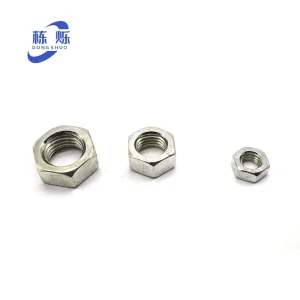
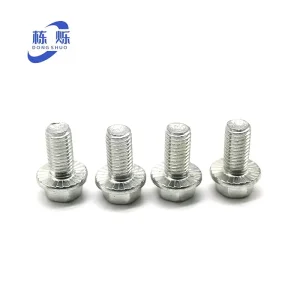
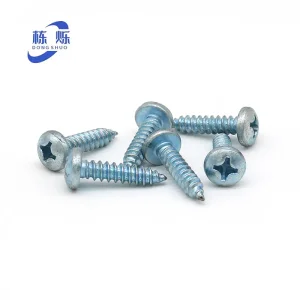
An in-depth analysis of critical mechanical attributes, engineering criteria, and global standard compliance of modern industrial stud threads.
In complex industrial ecosystems—ranging from petrochemical refineries and high-pressure steam pipelines to wind turbines and structural steel frameworks—the mechanical integrity of fasteners is paramount. Among these fasteners, stud threads (fully threaded studs, double-end studs, and tap-end studs) act as vital structural anchors. A minor failure in a single threaded joint can lead to catastrophic system downtime, environment contamination, or catastrophic structural collapse. As a premier China stud threads manufacturer, we present this comprehensive whitepaper to guide engineers, procurement officers, and project directors in selecting, auditing, and deploying high-performance threaded fastening systems.
Modern mechanical engineering requires stud threads to possess not only dimensional accuracy but also structural and chemical resilience. High-strength applications typically demand alloy and stainless steel stud bolts matching ASTM standards (such as ASTM A193 Grade B7, B8, B8M, and B16) or ISO strength grades (Class 8.8, 10.9, and 12.9). Achieving these performance standards involves a precise manufacturing pipeline that integrates advanced metallurgy, thread forming science, thermal treatment, and protective surface finishes.
Sourcing structural carbon steel, medium carbon alloy steels, and premium grade stainless steels from Tier-1 mills guarantees clean internal microstructure and uniform mechanical properties.
Using cold thread rolling technology instead of cut threads preserves grain flow continuity. This significantly increases fatigue life, shear strength, and overall thread surface hardness.
We provide a variety of high-performance surface finishes, including hot-dip galvanizing, Cr3+ zinc plating, zinc-nickel plating, Dacromet coating, and fluoropolymer (PTFE) finishes.
Established in 2015, Handan Yongnian District Dongshuo Fastener Manufacturing Co., Ltd. stands as a premier enterprise specializing in the engineering, design, and mass production of industrial fasteners. Over the years, our organization has committed to delivering exceptional fastener products and providing customers with customized solutions across diverse sectors including civil construction, automotive assembly, heavy machinery, electronics, and global energy infrastructure.
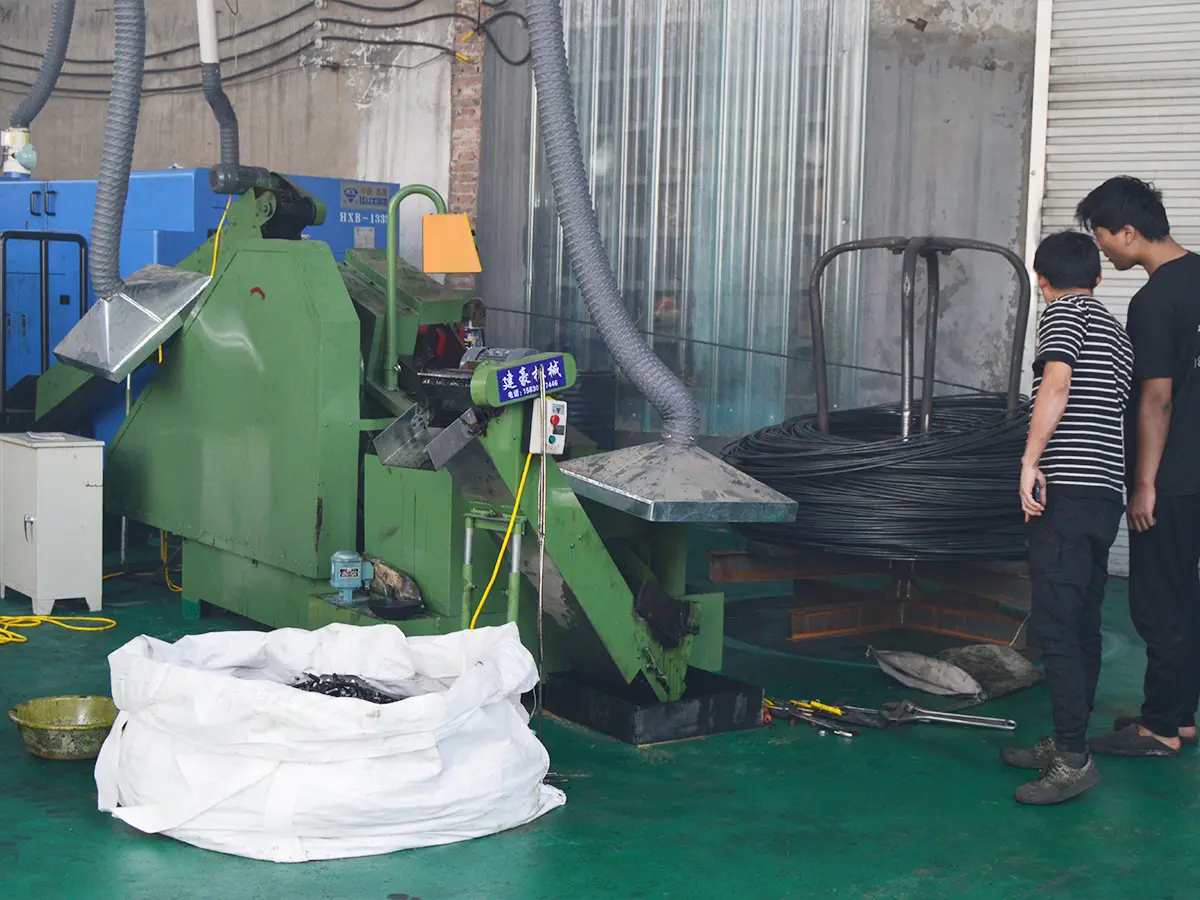
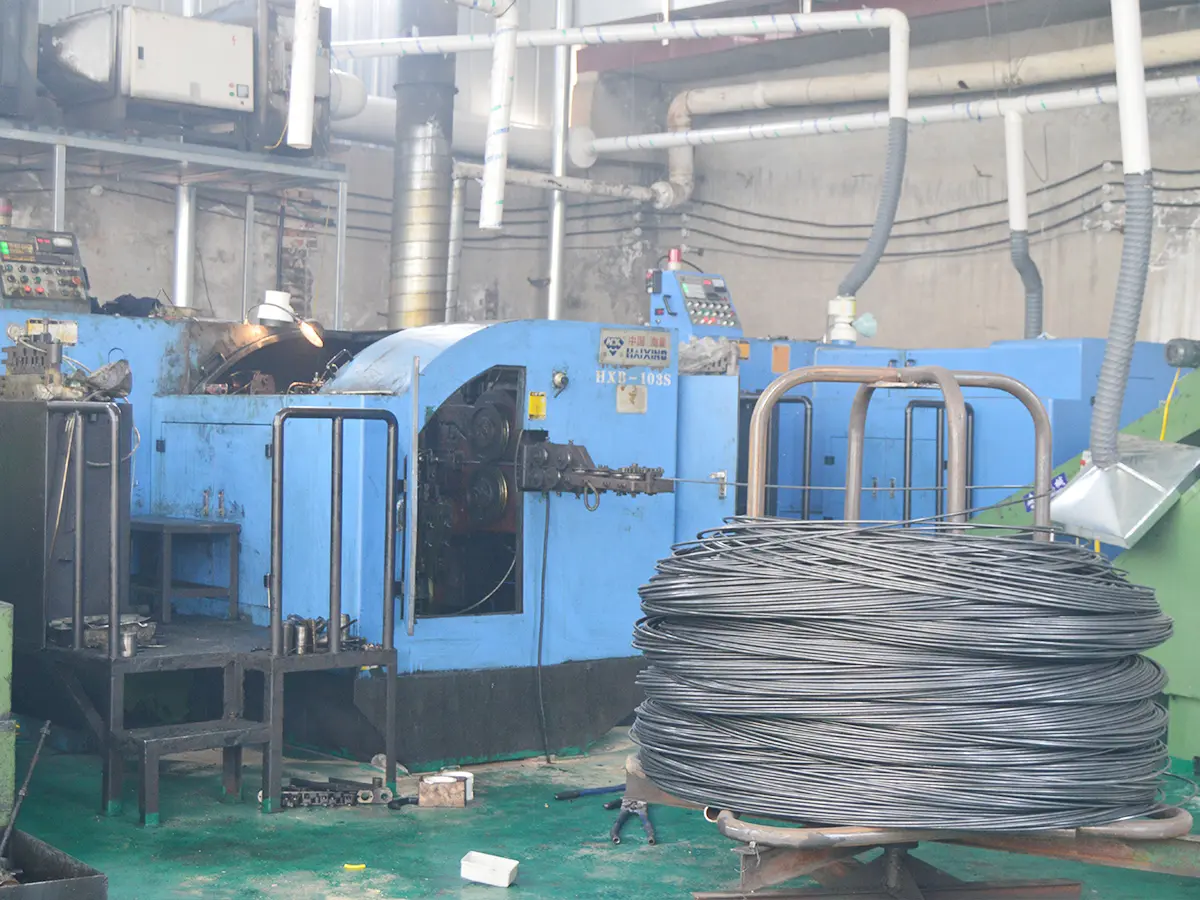
Strategically located in Yongnian, the fastener manufacturing capital of China, our facility features advanced production machinery, continuous heat treatment ovens, high-speed multi-stage cold formers, and state-of-the-art laboratory testing apparatus. Our professional technical team works closely with partners to execute tight tolerances, analyze metallurgical specifications, and ensure absolute compliance with global quality guidelines.
CAD modeling, stress analysis, and custom thread profile calculations.

Premium material selection, precision tool design, and process layout.

High-speed automated production, sorting, and systematic inspection.

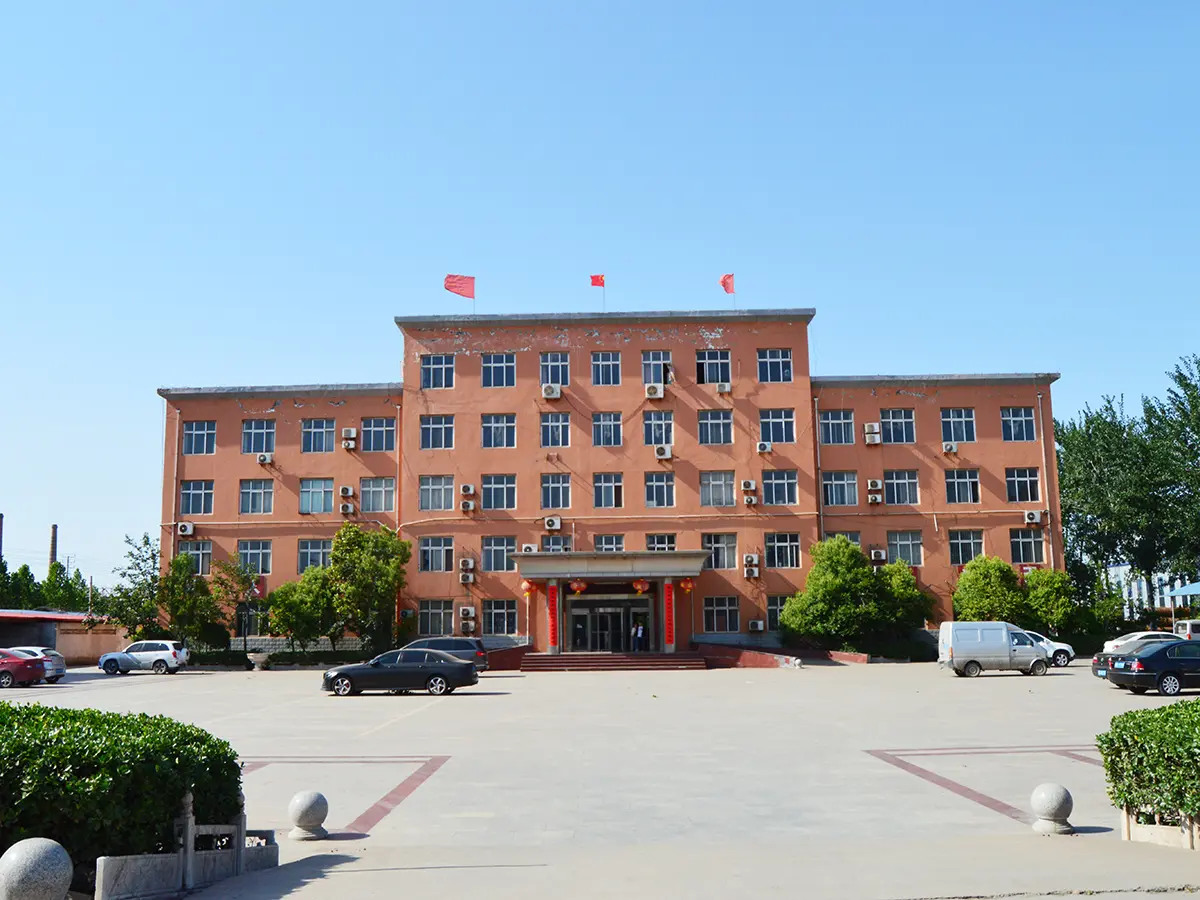
We manufacture stud threads in strict compliance with globally accepted mechanical engineering standards.
When importing stud threads from China, engineers must specify the correct standard code to guarantee interchangeability and structural integrity. Our manufacturing facility handles both metric and unified thread systems (UNC, UNF, UNEF, and metric coarse/fine pitches) with precision class fits such as 6g for metric and 2A/3A for unified threads. Below is a reference matrix outlining our standard manufacturing scope:
| Standard Family | Common Specifications | Material Grades Available | Size Range (Diameter) | Key Applications |
|---|---|---|---|---|
| DIN / ISO (Metric) | DIN 975, DIN 976-1, ISO 898-1 | Class 4.8, 5.8, 8.8, 10.9, 12.9, A2-70, A4-80 | M3 – M100 | General Machinery, Structural Steel, Automotive |
| ASTM / ASME (Unified) | ASTM A193, A320, ASME B18.31.2 | Grades B7, B7M, B8, B8M, B16, L7, L7M | 1/4" – 4" | Petrochemical Flanges, Pressure Vessels, Cryogenics |
| BS / JIS | BS 4882, JIS B1173 | Alloy Steels, Carbon Steels, Stainless Grades | M6 – M64 | Heavy Engineering, Offshore Oil Rigs, Infrastructure |
| Custom Engineered | Blueprints, OEM Specifications | Titanium, Duplex Steel (SAF 2205/2507), Inconel | To Blueprint Specs | Subsea Oil Fields, High-Corrosion Chemical Cells |
A primary indicator of a manufacturer's technical standard is their thread forming methodology. While cheap workshops rely on thread cutting (lathe machining), we utilize automated cold thread rolling machines. Rolling does not sever the natural grain fibers of the steel. Instead, it displaces the metal plastically, compressing the grain flow boundaries into the crests and roots of the thread profiles. This cold working increases thread root hardness, provides a mirror-like surface finish (reducing friction during tightening), and increases fatigue resistance by up to 30%, minimizing potential stress cracking.
How Handan Yongnian's specialized fastener ecosystem guarantees stable pricing, superior logistics, and vast raw material availability.
Based in the Yongnian District, our factory is located at the center of the world's largest fastener manufacturing cluster. This guarantees instant access to specialized heat-treatment plants, packaging suppliers, and surface treatment experts.
We maintain strategic purchasing agreements with national steel giants like Bao Steel and Xingtai Steel. This ensures a consistent supply of wire rod (such as SCM435, 40Cr, 35CrMo) even during global steel market fluctuations.
Our workshop features modern multi-station cold headers and high-precision thread rollers. This advanced automation minimizes human error, optimizes material utilization, and maintains highly competitive production costs.
For international purchasers, sourcing directly from a vertically integrated factory like Dongshuo Fastener provides significant benefits. We handle the entire production flow—from raw wire drawing and spheroidizing annealing to cold heading, thread rolling, heat treatment, and surface finishing—all within a controlled environment. This close supervision ensures full quality control at each step, preventing defective batches from reaching your shipping containers.
Ensuring cross-border engineering compliance, transparent certification, and barrier-free procurement integration.
A primary challenge for global purchasing departments is finding a supplier that can bridge local regulatory requirements and standard differences. Dongshuo Fastener addresses this issue with a robust quality assurance framework and localized service support:
We provide Mill Test Certificates (MTC) conforming to EN 10204 3.1. These documents detail the steel batch chemical heat numbers, tensile strength, yield strength, elongation, and hardness test metrics.
Our factory regularly hosts third-party inspection agencies like SGS, TÜV Rheinland, and Bureau Veritas. This ensures our operational management conforms with international standards.
All raw materials and surface treatments comply with EU RoHS and REACH guidelines. We offer Eco-friendly trivalent zinc (Cr3+) plating and lead-free passivation solutions.
We leverage our proximity to Qingdao Port and Tianjin Port to coordinate secure sea freight packing in moisture-barrier wood crates. This ensures your components arrive rust-free.
To assist engineering firms during their design processes, our technical department provides complete CAD models and 3D step files for all standard stud threads, nuts, and bolts. This support helps shorten the product development lifecycle and reduces drafting errors before fabrication begins.
From high-vibration automotive chassis to corrosive marine environments, our products perform in critical applications.
High-pressure pipelines and piping flanges require ASTM A193 B7 alloy steel stud threads and A194 2H nuts. These components maintain strong joint seals under extreme thermal cycling and high pressures.
Tower joints, nacelle assemblies, and foundation anchoring bolts rely on Class 10.9 hot-dip galvanized stud bolts. These fasteners resist constant wind vibration, high preload forces, and moisture exposure.
Engine blocks, cylinder heads, and steering components demand custom-threaded studs with precise fatigue limits. These parts are typically finished with black oxide or zinc-nickel coatings to prevent galvanic corrosion.
Understanding the impact of automation, digital QA tracking, and sustainable coatings on the fastener supply chain.
Modern structures are beginning to adopt "smart bolts" embedded with micro-piezoelectric sensors. These sensors monitor tension loss remotely via IoT interfaces, transforming fasteners from static components into active monitors of structural health.
We are continuously upgrading our cold heading machinery to maximize material yield. Advanced precision dies allow us to produce high-tensile components with zero scrap metal discharge, aligning with modern carbon reduction targets.
To replace traditional cadmium coatings (which are restricted due to environmental issues), we are deploying PTFE and multi-layer zinc-nickel organic hybrid coatings. These materials offer over 1,500 hours of salt spray resistance without using toxic heavy metals.
Addressing the technical, logistics, and quality questions that procurement engineers ask when sourcing stud threads from China.
For standard dimensions (such as DIN 976 or ASTM A193 B7 stud bolts), our typical lead time ranges from 15 to 25 days depending on the batch volume. For customized thread pitches, non-standard lengths, or special coatings (such as PTFE or thick hot-dip galvanizing), the production timeline is generally 30 to 45 days. This includes raw material sourcing, die customization, thread rolling, heat treatment, surface plating, and final laboratory testing.
Hydrogen embrittlement is a critical risk for high-tensile fasteners (tensile strength ≥ 1000 MPa, such as Class 10.9, 12.9, or ASTM A193 B7). During pickling and electroplating, atomic hydrogen can diffuse into the steel crystal lattice. To prevent this, our factory implements a strict post-plating baking protocol. Within 4 hours after electroplating, all high-tensile fasteners are placed in baking ovens at 200°C to 220°C for at least 4 to 8 hours to drive out diffused hydrogen before the coating cures.
Yes. We routinely manufacture ASTM A193 B7 studs with standard Unified Thread Class 2A tolerances. This class fit provides a practical clearance allowance that accommodates protective coatings such as zinc plating or light galvanizing, ensuring smooth assembly on site without galling. For high-precision projects, we can also manufacture components to Class 3A thread tolerances.
Our quality control facility is equipped to perform a comprehensive suite of physical and chemical tests. This includes spectrometer analysis for alloy composition, Rockwell & Vickers hardness testers, hydraulic tensile test benches for proof load verification, thread ring gauges for pitch measurement, salt spray testing chambers for coating corrosion resistance, and magnetic particle inspection (MPI) for surface crack detection.
Hot-dip galvanizing deposits a relatively thick layer of zinc (typically 40 to 60 microns), which can interfere with thread mating. To ensure a correct fit, we machine the corresponding nuts to over-tapped dimensions (according to ASTM A563 or ISO 965 limits) or roll the stud threads undersized before galvanizing. This pre-calculated clearance allows the zinc-coated threads to assemble cleanly.
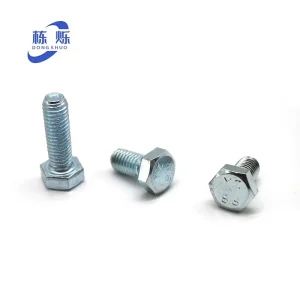
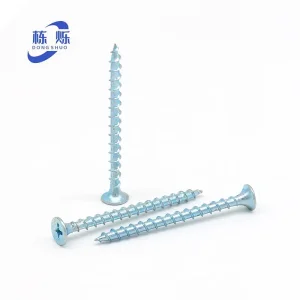
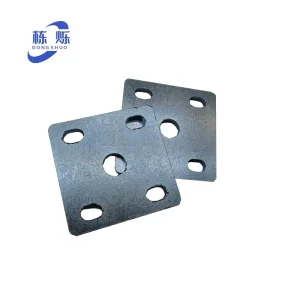
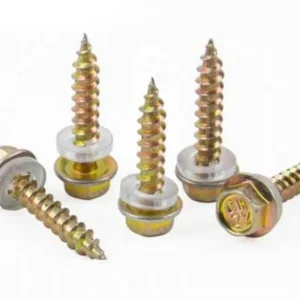
Complete your structural build requirements with our high-durability anchor bolts, screws, and hardware accessories.
 Dongshuo Fastener