Explore our high-performance structural fastening components designed to meet structural load standards in high-stress industrial applications.
In modern structural engineering, concrete anchoring serves as the critical node connecting heavy physical infrastructure with foundation substrates. Globally, stud anchors (often referred to as wedge anchors or expansion bolts) represent the primary fastening mechanism for structural steel columns, curtain wall systems, bridge retrofitting, and massive heavy machinery bases. The demand for reliable anchoring is shifting toward high-performance alloys and advanced coatings capable of resisting atmospheric moisture, chemical environments, and seismic forces.
With massive investments in global infrastructure—ranging from transit tunnels in North America to offshore wind farms in the North Sea—contractors are prioritizing fasteners that adhere to strict certifications, including ETA (European Technical Assessment) and ICC-ES standards. Choosing an anchoring system is no longer a procurement transaction; it is a critical engineering decision where material science, fatigue resistance, and predictable failure modes define project lifespans.
High-tensile carbon steel (Grade 8.8, 10.9) and premium stainless steel alloys (A4-316, Duplex 2205) are dominating current B2B specification sheets to mitigate premature shear failure.
Modern building codes (such as ACI 318 and EN 1992-4) mandate the use of expansion fasteners engineered specifically to perform under tension in cracked concrete zones, ensuring ductility under seismic waves.
A premier Chinese manufacturing force combining advanced processing technology with rigorous QA protocols.
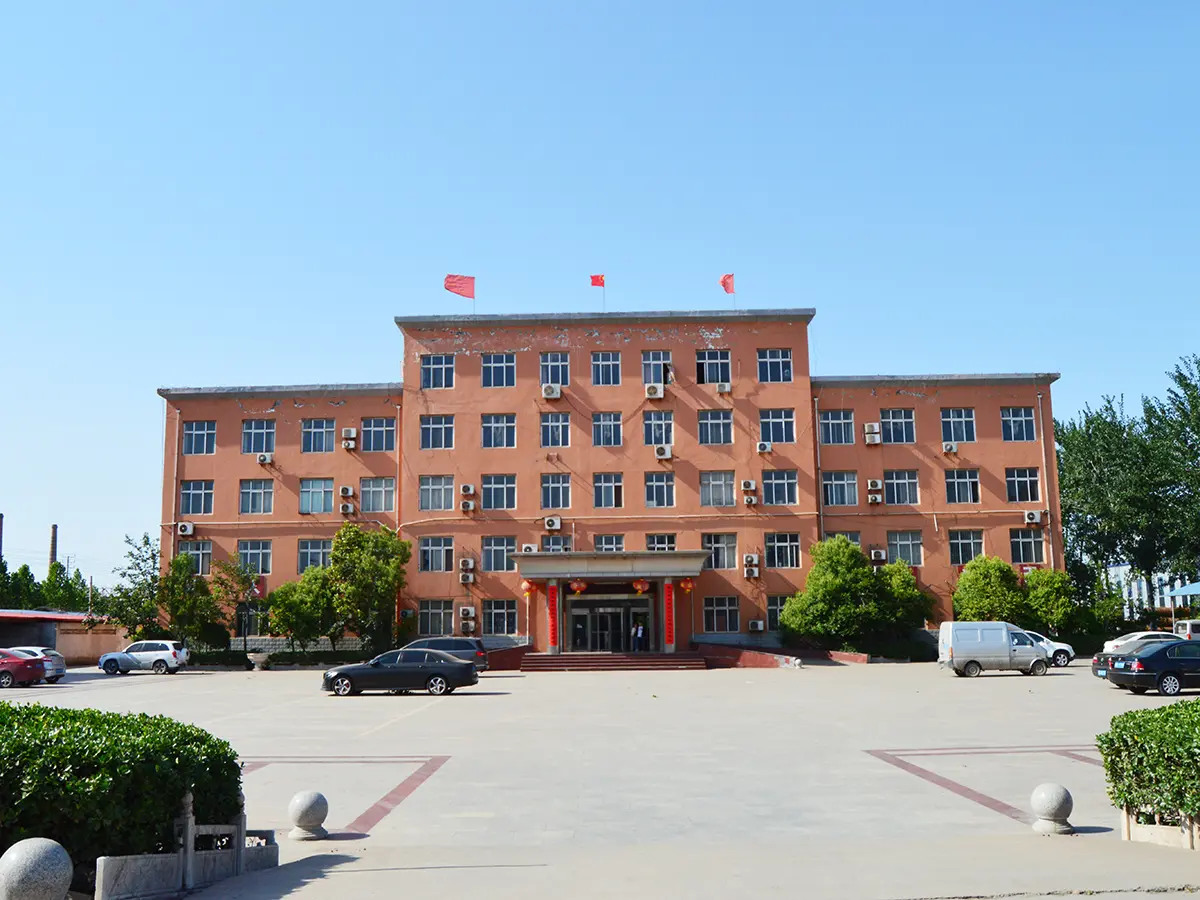
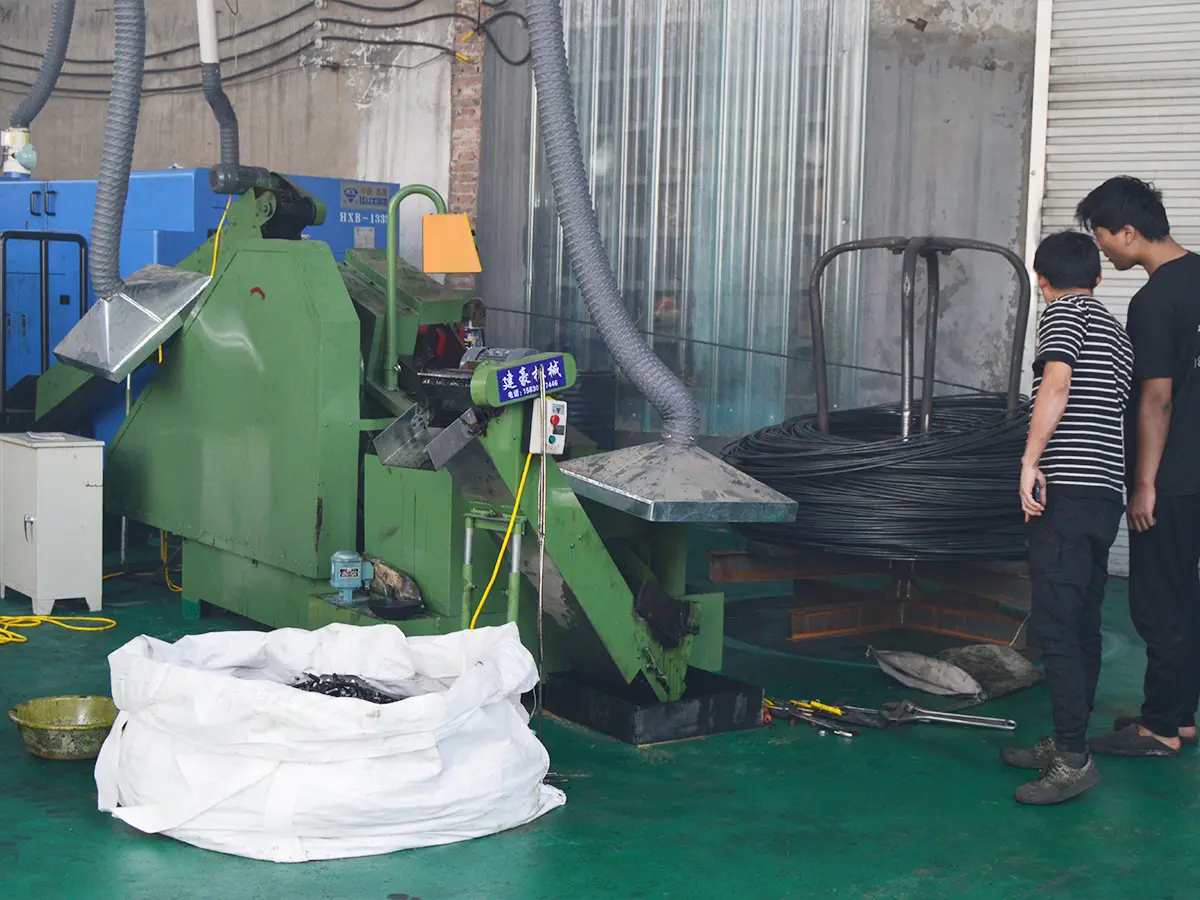
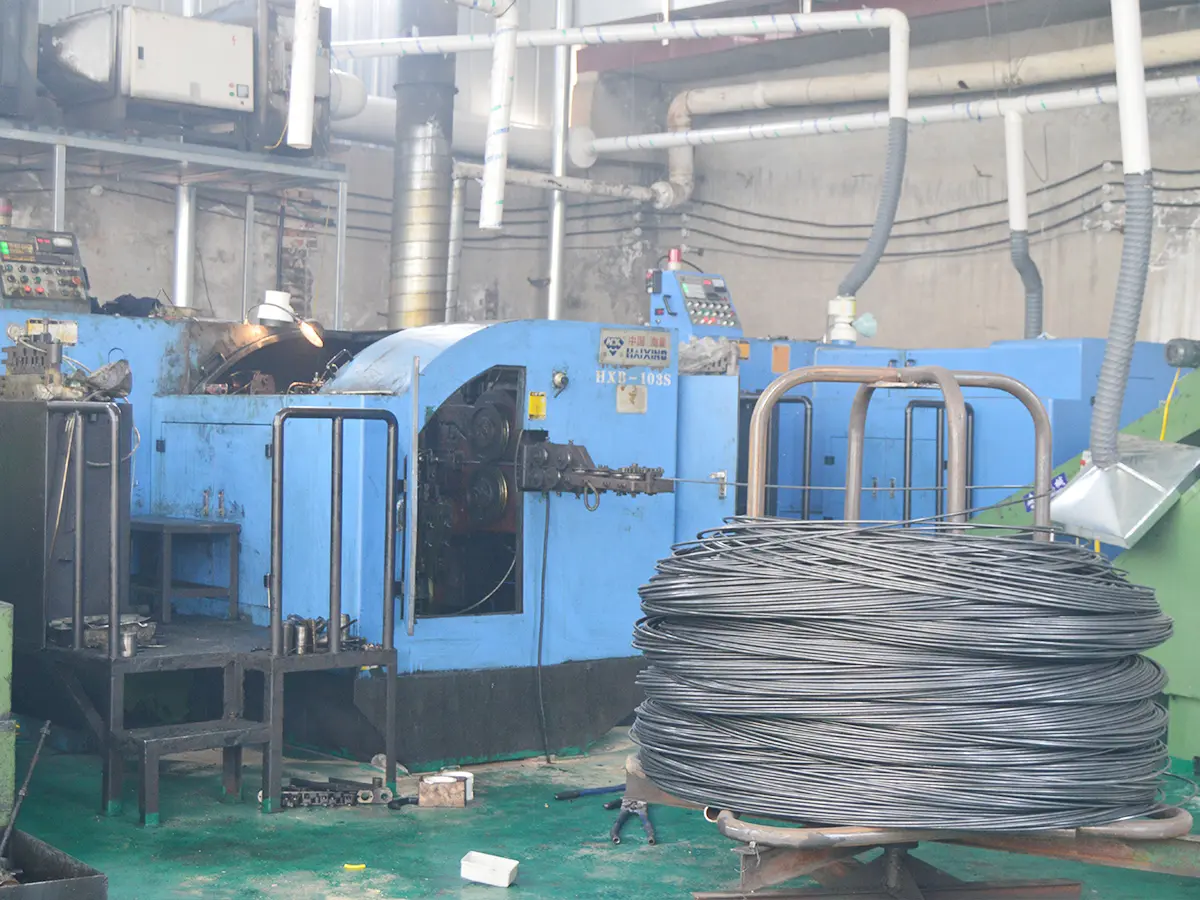
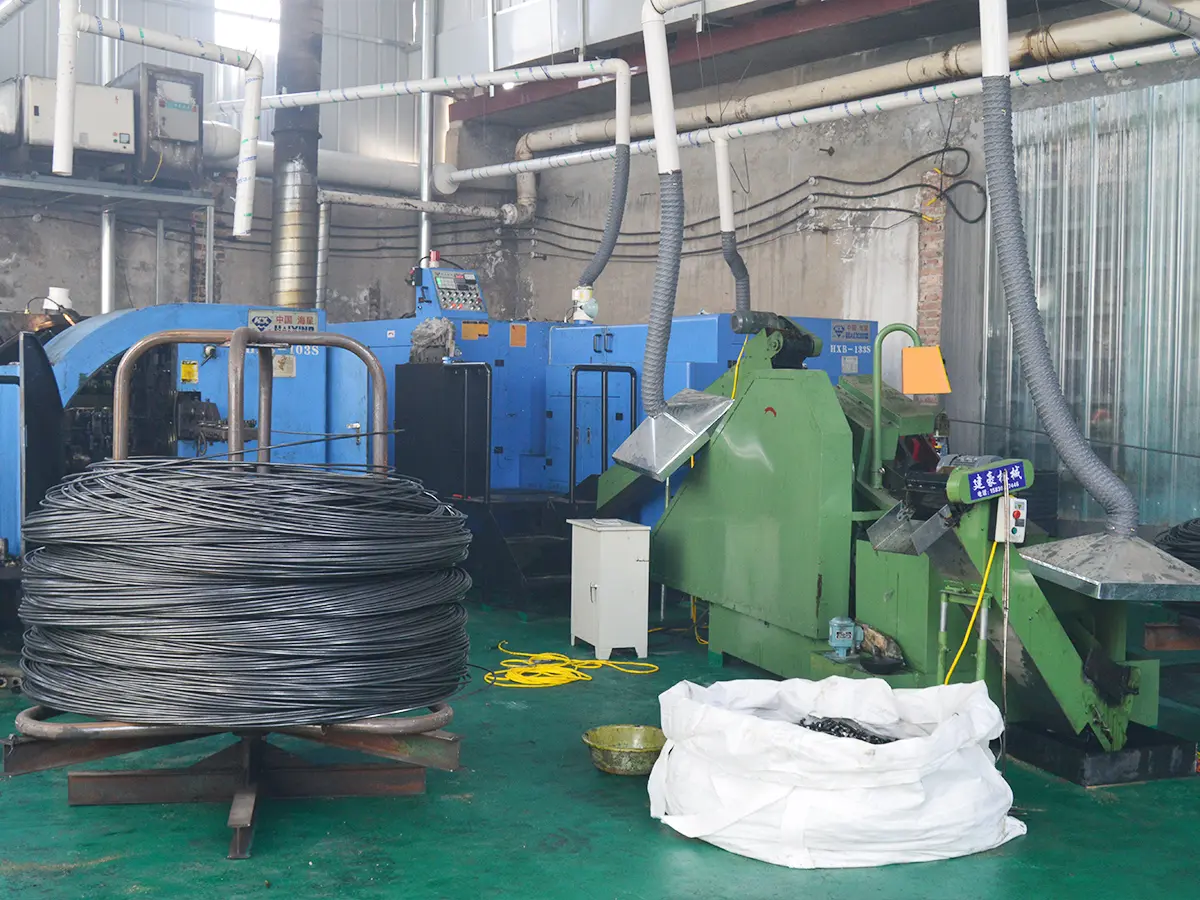
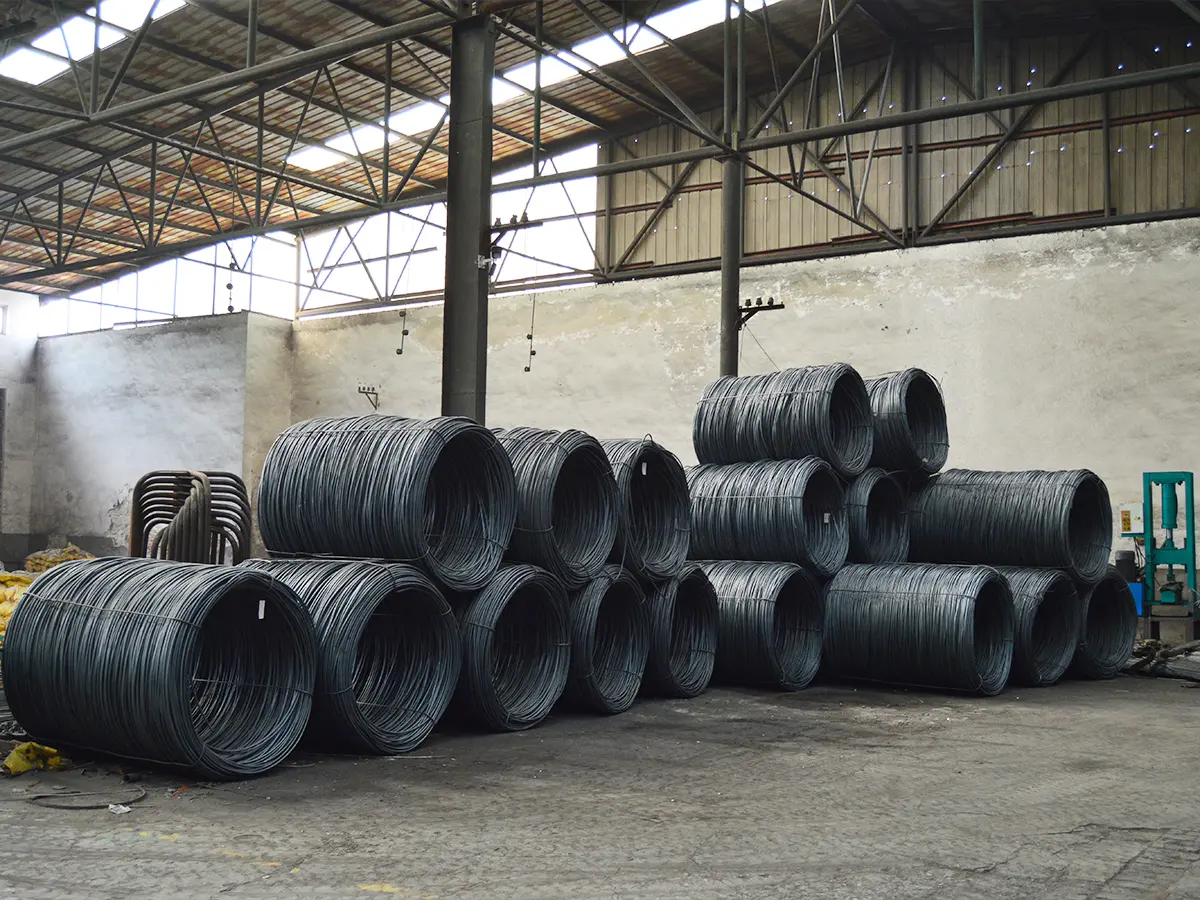
Handan Yongnian District Dongshuo Fastener Manufacturing Co., Ltd. was established in 2015. It is an enterprise specializing in the production and operation of fasteners. Our company is committed to providing high-quality fastener products and providing customers with comprehensive solutions in various industries. As a reputable fastener manufacturer, we have advanced production equipment and a professional technical team to meet our customers' needs for different types of fasteners.



How Chinese industrial nodes have transitioned from low-cost casting to premium, certified structural engineering exporters.
By centering production in geographic hubs like Handan Yongnian, factories gain access to localized high-grade steel wire-rod suppliers, specialized cold-forging machinery, and heat-treatment vendors. This reduces overall lead times and internal shipping costs.
To meet environmental regulations, factories are moving beyond basic hexavalent zinc plating. The industry is standardizing on zinc flake coatings (such as Geomet), hot-dip galvanizing (HDG), and sherardizing to guarantee 1000+ hours of salt spray testing without red rust.
Modern engineering contracts require tailor-made dimensions, modified embedment depths, and variable thread lengths. Top Chinese suppliers maintain agile, computer-numeric-control (CNC) tooling workshops to deliver prototypes and specialized runs alongside standard orders.
| Anchor Sub-type | Substrate Compatibility | Key Performance Indicators | Recommended Application |
|---|---|---|---|
| Mechanical Wedge Stud Anchors | Cracked & Uncracked Concrete, Natural Stone | High expansion force, displacement-controlled reliability | Structural steel column baseplates, industrial racking |
| Heavy-Duty Sleeve Anchors | Concrete, Solid Masonry, Hollow Brick | High shear resistance, dynamic damping capability | Conveyor systems, tunnel utility support framing |
| Chemical Adhesive Studs | Cracked Concrete, Masonry, Low-strength Concrete | Zero-expansion stress, close edge distance installation | Rebar extension, heavy machinery vibration dampening |
Delving into the mathematical limits and metallurgical compositions of high-strength anchor systems.
Our anchor lines conform to international structural norms. Carbon steel items are treated via precise thermal quenching to meet ISO 898-1 standards, and stainless grades are analyzed for carbon control to avoid intergranular corrosion during welding near anchor zones.
Under ACI 318 criteria, concrete cone failure is estimated via:
N_b = k_c * λ * √(f'_c) * h_ef^1.5
Where h_ef represents effective embedment depth. Selecting the correct length ensures safety margins exceed standard load factors.
The mechanism of a mechanical stud anchor depends on the frictional resistance generated between the expansion clip (sleeve) and the drilled concrete hole wall. As installation torque is applied to the nut, the tapered cone end of the stud is pulled upward into the expansion clip. This forces the clip outwards, embedding it into the concrete substrate.
This localized compression field requires concrete that can withstand internal hoop stresses without cracking. In seismically active locations, the anchor must dynamically slip slightly and re-expand inside cracks as they cycle open and close under seismic tension. This performance is achieved through precision-profiled expansion clips engineered from high-ductility stainless steel or carbon steel with specialized surface lubrication.
In a competitive global market, we combine technical expertise with sustainable manufacturing processes.
As a reputable fastener manufacturer, we have advanced production equipment and a professional technical team to meet our customers' needs for different types of fasteners. Our expertise spans cold heading, thread rolling, thermal treatment, and custom design.
At the same time, we pay attention to environmental protection and sustainable development. We use green, environmentally friendly materials and optimized production processes to minimize waste, contributing to both society and the environment.
Handan Yongnian District Dongshuo Fastener Manufacturing Co., Ltd. adheres to the business philosophy of "quality first, customer first" and strives to provide customers with the best fastener solutions, verified via batch testing and micro-measurement tools.
Looking toward the next decade of infrastructure development, we are preparing for smart systems and zero-carbon steel.
The structural fastening industry is undergoing a digital transformation. With the integration of Building Information Modeling (BIM) software, engineers require highly detailed 3D CAD files and performance datasets to simulate loading states virtually before physical assembly begins.
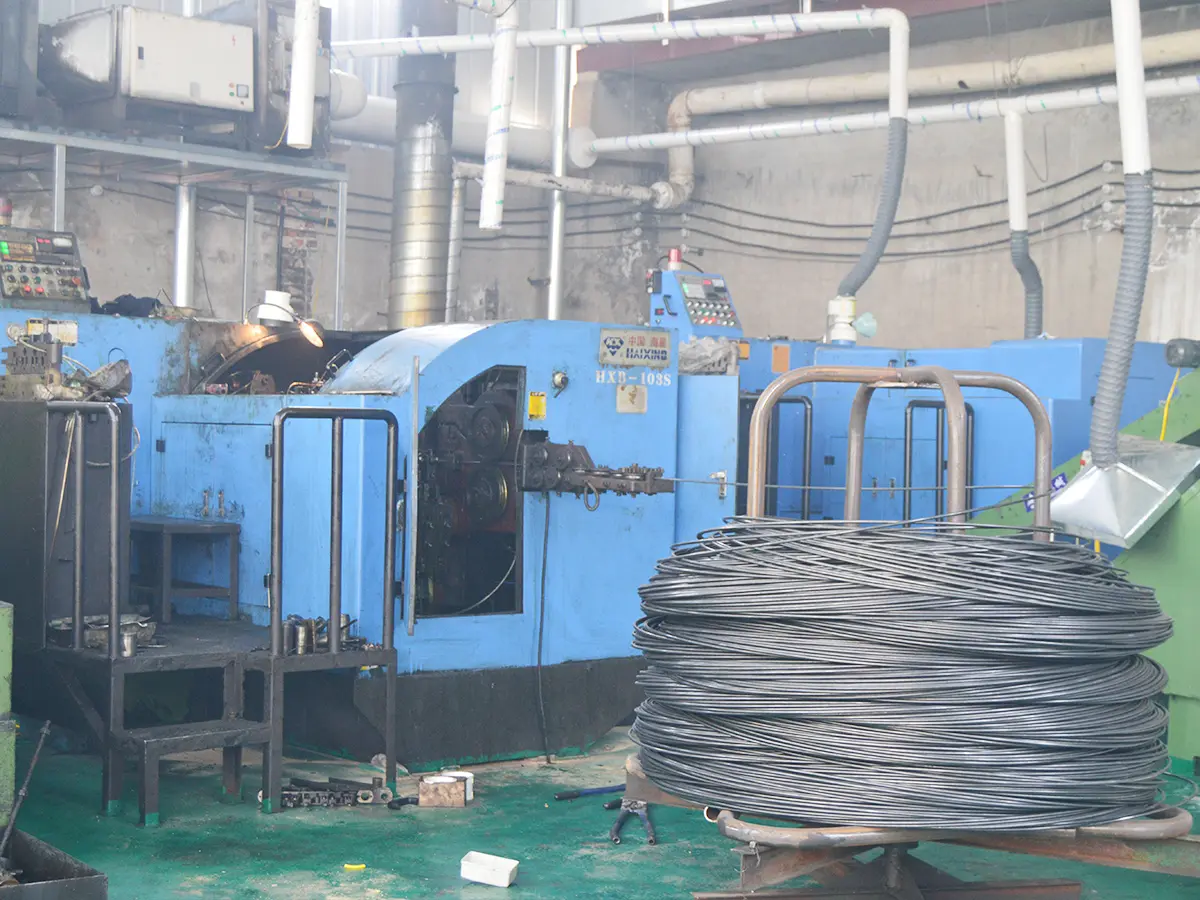
Our roadmap prioritizes the digitization of our product lines, offering engineers downloadable parametric models. On the factory floor, we are transitioning toward automated machine vision inspection systems. These capture dimensional discrepancies down to the micron level during thread rolling, preventing out-of-tolerance parts from entering the packing stage.
Furthermore, our environmental commitments are driving research into green steel processing. By sourcing raw steel from mills utilizing Electric Arc Furnace (EAF) technologies powered by renewable energy, we aim to offer anchor systems with low embedded carbon footprints, supporting green building certification systems like LEED and BREEAM.
We are integrating real-time laser measurement on our cold heading lines to ensure dimensional stability and thread pitch accuracy across production runs.
Providing Environmental Product Declarations (EPDs) for key structural anchor ranges to support carbon reporting in commercial developments.
Clear answers to technical questions commonly encountered by structural engineers and procurement heads.
Concrete structures develop micro-cracks over their lifespan due to tensile stresses, thermal fluctuations, and wind load cycles. Under cracked concrete conditions, standard anchors can lose mechanical interlock as the crack opens, leading to premature slippage or catastrophic failure. Cracked concrete approved stud anchors feature specialized geometry, dynamic expansion clips, and low-friction coatings. These design choices allow the anchor to re-expand and maintain load capacity even if a crack passes through the installation point.
Applying the recommended installation torque (T_inst) is critical to setting the anchor correctly. The torque turns the nut, which pulls the cone up into the sleeve, expanding it against the concrete hole. Under-torqueing will lead to insufficient expansion and potential slip when load is applied. Over-torqueing can cause local concrete failure, thread strip, or internal stress fractures in the anchor body. Always reference factory specifications and use calibrated torque wrenches during installation.
Under tension or shear testing, anchors typically fail in one of five ways:
1. Steel Failure: The bolt body snaps under tension or shear.
2. Pull-Out/Pull-Through: The anchor slips out of the hole or the cone pulls through the expansion clip.
3. Concrete Cone Breakout: A cone-shaped chunk of concrete breaks out around the anchor.
4. Concrete Splitting: The concrete splits apart, often due to low edge distance or thin concrete slabs.
5. Pry-Out: Under shear loads, the anchor pivots and breaks out a chunk of concrete behind it.
Hot-dip galvanizing (HDG) creates a thick zinc layer (typically 45-85 microns) that provides excellent outdoor corrosion resistance. However, this thick coating requires the threads to be undercut during manufacturing to ensure the nut can still be threaded on after galvanizing. Electroplating results in a much thinner layer (5-15 microns), which keeps standard thread fits but offers limited protection in damp or aggressive outdoor environments.
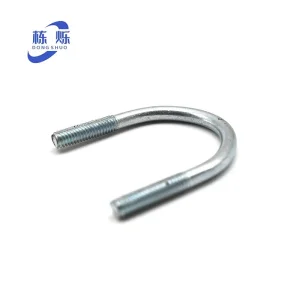
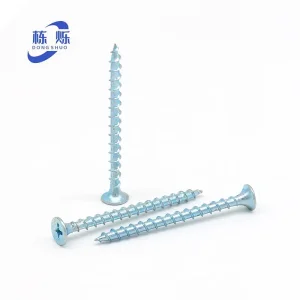
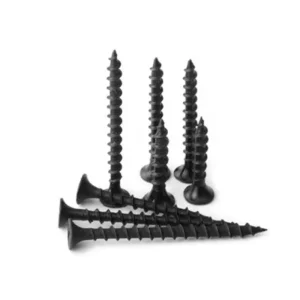
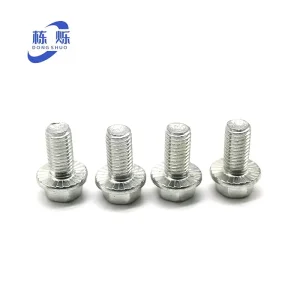
Our extended catalog of structural hardware engineered for secure fastening and joint integrity.
 Dongshuo Fastener