When considering the best fastening solutions for construction projects, expansion bolts stand out. Renowned engineer Dr. Mark Thompson asserts, “Expansion bolts provide unmatched durability and holding power.” His expertise highlights the importance of selecting reliable materials.
The right choice of expansion bolts can profoundly impact project success. They are perfect for concrete applications, offering secure anchorage. High-quality expansion bolts resist corrosion, ensuring long-lasting performance in various conditions. Projects requiring reliable strength and stability benefit from them significantly.
However, not all expansion bolts are created equal. Choosing the wrong type or size can lead to failures. Understanding the specific requirements of your project is crucial. Knowing when and how to use expansion bolts ensures safety and reliability in your constructions. Take the time to evaluate your options; the impact can be critical.
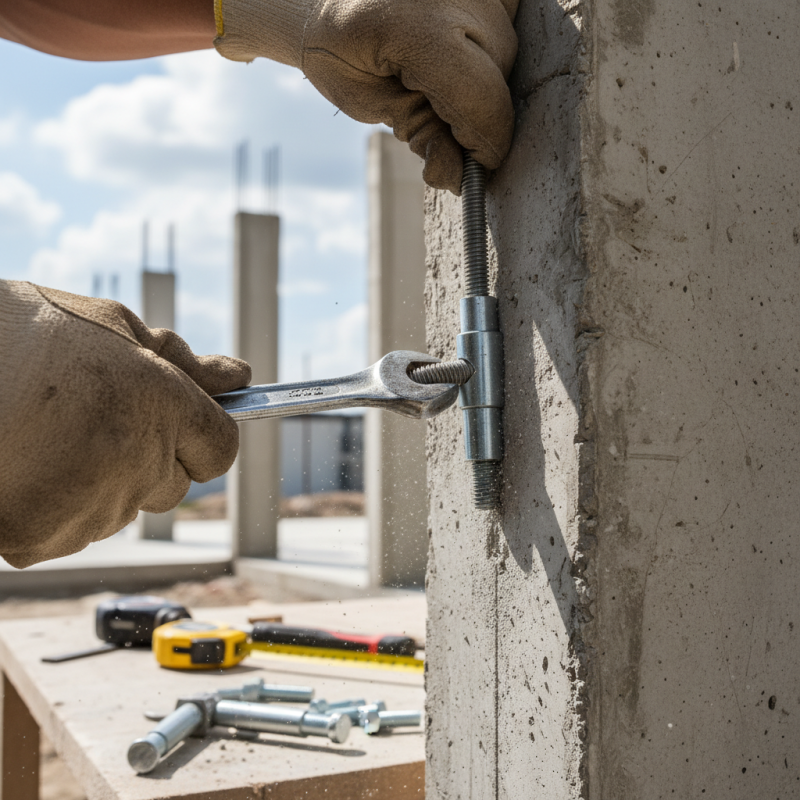
When considering construction projects, expansion bolts stand out for various reasons. These fasteners provide exceptional holding power in concrete and masonry applications. Their design allows them to expand within the substrate, creating a strong and stable anchor. This feature is crucial for hanging heavy objects or securing structural components.
Using expansion bolts can be a game-changer. They offer reliability that other fasteners may lack. For instance, they resist withdrawal forces effectively, which is essential when dealing with dynamic loads. Many professionals choose them for wall mounts, shelving, or safety rails. However, installation requires careful drilling and accurate sizing. Poor preparation can lead to subpar performance, making attention to detail vital.
The benefits also extend to safety. Well-installed expansion bolts enhance the overall integrity of structures. Yet, one must remain mindful of the material and size used. Matching the right bolt with the right substrate is sometimes overlooked, leading to potential failures. It’s a reminder: even seemingly small decisions can greatly impact a project’s success.
| Benefit | Description | Applications |
|---|---|---|
| High Load Capacity | Expansion bolts can support significant weight, making them ideal for heavy-duty applications. | Bridges, industrial structures, and heavy machinery installation. |
| Versatile Use | Suitable for a variety of materials including concrete and masonry. | Wall fixtures, railings, and structural reinforcements. |
| Ease of Installation | Simple to install without extensive tools, saving time and labor costs. | General construction and repair projects. |
| Durability | Designed to withstand weather conditions, rust, and corrosion. | Outdoor structures, marine applications. |
| Cost-Effectiveness | Affordable compared to other fastening methods for large projects. | Large-scale construction projects and repairs. |
When considering fasteners, expansion bolts stand out for their unique installation and load-bearing properties. Unlike traditional screws, expansion bolts work by expanding inside a pre-drilled hole. This feature makes them ideal for concrete and masonry applications. According to the International Fastener Expo, expansion bolts can hold up to 30% more load than standard anchors in similar materials. Their performance relies on the friction created by the expansion, ensuring a secure fit.
Alternative fasteners, such as adhesive anchors or toggle bolts, have their strengths. Adhesive anchors can distribute loads over a wider area, which is beneficial in certain situations. However, they often require curing time and specific environmental conditions. In contrast, toggle bolts provide excellent support in hollow walls. Yet, their use is limited to specific scenarios and may not provide as much holding power as expansion bolts in solid materials. Ultimately, the choice between these options hinges on the project requirements, including load capacity and installation conditions.
Despite their advantages, expansion bolts are not without challenges. Proper installation is crucial; incorrect size or hole preparation can lead to failure. Additionally, environmental factors, like moisture and temperature fluctuations, can affect performance. Awareness of these issues is essential for ensuring the reliability of your fasteners in critical applications.
When selecting expansion bolts for a project, understanding their specifications is crucial. Expansion bolts come in different materials, like stainless steel and carbon steel, which affect durability and corrosion resistance. The diameter and length of the bolt must suit the application. Not every project requires the same size. Using the wrong dimensions can lead to structural failure.
Load capacities, including shear and tensile strength, are vital specifications to consider. Knowing the materials and load requirements can prevent issues down the line. Moreover, assessing the type of base material is essential. For instance, concrete needs a specific type of expansion bolt compared to masonry. These details can change how well the installation holds.
Testing standards play a key role in selecting the right expansion bolts. Not all products are tested equally. Look for those that comply with recognized standards like ASTM or ISO. Failure to ensure compliance can be a costly mistake. Always read the installation guidelines carefully. An improper installation can negate the bolt's effectiveness, leading to unpredicted failures. The balance of choosing the right specifications is vital for project success.
This chart illustrates key specifications for expansion bolts, highlighting important parameters such as load capacity, diameter, length, material strength, and cost. These factors are crucial when selecting the appropriate expansion bolt for any construction or engineering project.
Expansion bolts are crucial in various industries due to their reliable anchoring strength. They are commonly used in construction, automotive, and manufacturing sectors. A study by the International Association of Anchor Specialists (IAAS) indicates that properly installed expansion bolts can withstand forces exceeding 25 kilonewtons. This makes them ideal for heavy-duty applications like securing steel beams in high-rise buildings.
In the automotive industry, expansion bolts are utilized in engine assemblies and suspension systems. Data shows that the automotive sector relies on these fasteners for enhanced safety and structural integrity. Moreover, case studies highlight the effectiveness of expansion bolts in earthquake-prone regions. These bolts help structures absorb seismic forces, reducing damage during tremors and protecting lives.
However, challenges remain. Improper installation can lead to failure, which puts projects at risk. Experts recommend regular inspections and adherence to installation guidelines to mitigate these risks. Recognizing these concerns and addressing them ensures that expansion bolts remain a dependable choice for various applications.
The expansion bolt sector is witnessing significant growth. According to a recent industry report, the global expansion bolt market is projected to expand at a CAGR of 7.5% from 2023 to 2030. This trend is primarily driven by the increasing demand for construction and infrastructure development. Countries with rapid urbanization are placing higher emphasis on robust fastening solutions.
Another key factor is the rise in renewable energy projects and the automotive sector. This sector requires durable fastening solutions, leading to a surge in expansion bolt applications. As per market analysis, the construction industry accounts for over 40% of the total demand for expansion bolts. However, inconsistencies in quality control and varying standards among manufacturers remain concerns that need addressing.
The growing focus on sustainability also influences market trends. Manufacturers are striving for eco-friendly materials and production processes. Yet, the transition isn’t seamless. Supply chain challenges and material shortages present ongoing hurdles. Balancing innovation with reliability will be critical for stakeholders in this evolving market landscape. With rapid growth, the potential for new applications exists, but uncertainties linger in execution and product performance.
: Expansion bolts anchor heavy objects in concrete and masonry. They create a secure fit by expanding within a pre-drilled hole.
They provide greater load-bearing capacity and reliability. Expansion bolts hold up to 30% more load in similar materials.
Accurate drilling and sizing are vital. Poor preparation can lead to subpar performance and installation failure.
Moisture and temperature fluctuations can impact their performance. Awareness of such factors is crucial for reliable installations.
They are widely used in construction, automotive, and manufacturing. Their anchoring strength is crucial for safety.
Yes, they help structures absorb seismic forces. This reduces damage during tremors and protects lives.
Improper installation can lead to failures. Regular inspections and adherence to guidelines are essential for safety.
Adhesive anchors distribute loads over a wider area but require curing time. Expansion bolts create a more secure fit in solid materials.
Ignoring the material and size can lead to failures. Matching the right bolt to the substrate is crucial for success.
Experts recommend following established installation guidelines. Regular checks can help maintain the strength and integrity of fasteners.
Expansion bolts are essential fasteners in construction projects, offering several advantages such as superior holding strength and ease of installation. Their unique design allows them to expand within the base material, creating a secure fit that surpasses traditional fasteners. When compared to alternatives, expansion bolts stand out for their reliability and versatility in various construction scenarios.
Understanding the key specifications and standards for selecting expansion bolts is crucial for ensuring optimal performance in industry applications. Case studies highlight their effectiveness in diverse projects, showcasing their role in enhancing structural integrity. As the market for expansion bolts continues to grow, staying informed about the latest trends and advancements is vital for professionals in the field. Overall, choosing expansion bolts for your next project can significantly contribute to its success and longevity.

Dongshuo Fastener