What Is a Screw and Nut Used For?

Time:2026-09-06 Author:Charlotte
0%

A Screw And Nut forms one of the most practical fastening systems in engineering and everyday repair. Together, these parts clamp materials between matching surfaces. The screw provides a threaded shaft, while the nut travels along those threads. Turning the nut creates pressure that holds components firmly together.

You can find this pairing in steel frames, vehicle assemblies, shelving, machinery, and household fixtures. In a workshop, a technician may slide a screw through two drilled plates, add a washer, and tighten the nut with a wrench. The washer spreads the load and helps protect the surface. Correct sizing matters. A loose thread can allow movement, while excessive tightening may damage the threads or deform the materials.

The connection is also useful because it can be removed and serviced. This advantage supports maintenance, inspections, and controlled repairs. Different thread profiles, grades, coatings, and materials suit different environments. Stainless steel resists corrosion, while high-strength alloy fasteners handle greater mechanical loads. However, a simple explanation can overlook vibration, temperature, installation angle, and repeated stress. These factors may reduce holding power over time.

I have seen small fastening mistakes create noticeable problems. A slightly mismatched nut may feel secure but fail during operation. That detail is easy to miss. Reliable selection should consider load direction, joint thickness, thread compatibility, and the manufacturer’s torque guidance. This article explains what a Screw And Nut is used for, how the connection works, and which practical details influence its performance.
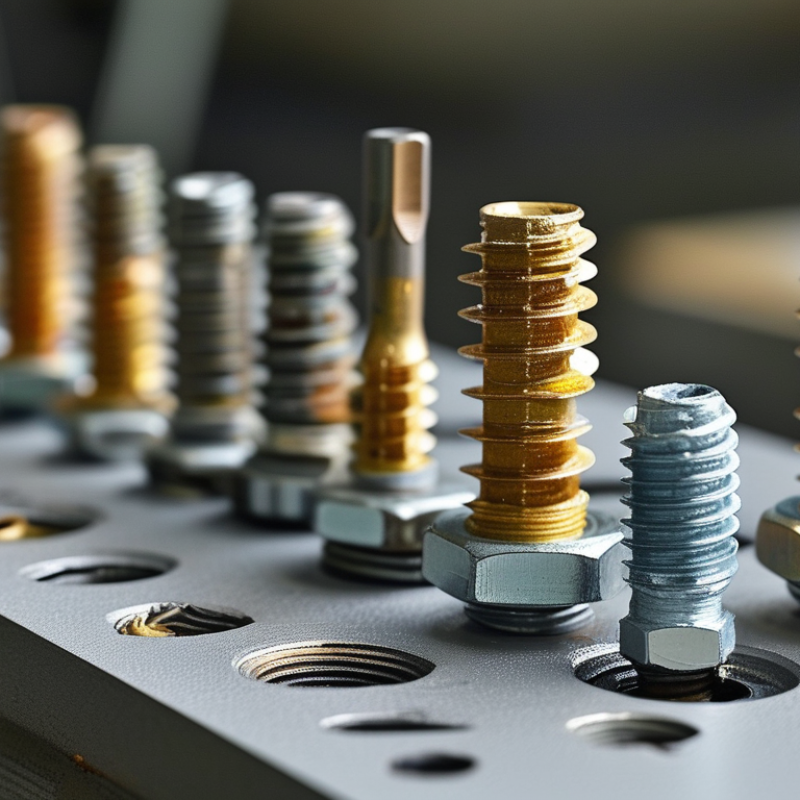
What Is a Screw and Nut Used For?

What Are Screws and Nuts?

A screw is a threaded fastener that creates its own grip or enters a prepared hole. Its head accepts a driver, while its threads bite into wood, plastic, or metal. A nut is an internally threaded component that works with a matching bolt or screw. Together, they clamp materials between their faces. Not every screw needs a nut. That distinction matters.

The connection depends on thread shape, diameter, material, and tightening force. A coarse thread usually suits softer materials and quick assembly. Fine threads can offer more adjustment and stronger resistance to loosening.

In practical work, technicians check thread engagement and tightening torque carefully. Too little torque may leave movement. Too much can stretch the fastener or damage the joint. Human error remains a real weakness.

Industry demand shows why these small parts matter. Grand View Research valued the global fasteners market at about 90.6 billion U.S. dollars in 2023 and projected continued growth through 2030. The Freedonia Group also identifies transportation, construction, and machinery as major fastener-consuming sectors.

These figures describe a broad market, not guaranteed product quality. A low-cost screw may look acceptable but fail under vibration, corrosion, or repeated loading. Material selection should match the environment. Stainless steel helps resist corrosion, while high-strength alloy steel suits demanding mechanical joints. Standards such as ISO 898-1 help classify mechanical properties, but installation still needs judgment.

How Screws and Nuts Work Together

A screw and nut work together by using matching threads to clamp two or more parts. The screw provides the threaded shaft, while the nut travels along those threads. As the nut turns, it pulls the screw and creates clamping force between the joined materials. Friction between the threads and under the nut helps resist movement. This simple action secures machine panels, furniture frames, brackets, and structural components.

In a workshop, I have seen a joint fail because it felt tight, but lacked enough clamping force. Tightening changes the result. Too little torque can allow vibration to loosen the nut. Too much torque can stretch the screw, crush soft material, or damage the threads. A washer can spread pressure and protect the surface. Thread size, material, load direction, and vibration all matter. I once assumed a larger nut always made a stronger joint. That assumption was wrong.

Tips: Check that the screw and nut have matching thread size and pitch. Keep the threads clean before assembly. Tighten gradually and use a torque wrench when the specification is available. Inspect the joint after installation, especially where vibration occurs. Do not ignore slight movement. It may be an early warning.

Different Types of Screws and Nuts

Screws and nuts are small components, but they control how safely parts stay together. A screw creates a threaded connection, while a nut clamps onto a matching bolt. Their value appears in furniture, machinery, vehicles, and building systems.

Different screw types suit different materials. Wood screws have sharp threads and tapered points for timber. Machine screws fit pre-tapped holes in metal or plastic. Self-drilling screws cut through thin sheet metal, reducing preparation time. Socket-head screws provide strong tightening in confined spaces. For outdoor work, corrosion-resistant stainless steel is often appropriate, but material compatibility still matters.

Nuts also vary by load and access. Hex nuts are common for general assembly. Lock nuts resist loosening from vibration. Wing nuts allow hand adjustment. Flange nuts spread pressure across a wider surface. According to Grand View Research, the global fasteners market was valued at about 94 billion dollars in 2023, showing how widely these parts support modern industry. The U.S. Bureau of Labor Statistics also reports millions of workers in construction and manufacturing, where correct fastening directly affects productivity and safety.

In workshop practice, matching thread size, pitch, strength grade, and surface finish is essential. A tight connection is not always a secure connection. Over-tightening can strip threads or crush softer materials. Under-tightening may allow movement. I have seen drawings look perfect while the chosen nut was impossible to reach. That mistake is easy to overlook. Standards such as ISO 898-1 and ASTM F606 help verify mechanical performance, but real installation conditions still deserve careful review.

Common Uses of Screws and Nuts

What Is a Screw and Nut Used For?

Common Uses of Screws and Nuts

Screws and nuts are common mechanical fasteners used to join materials securely. A screw usually enters a threaded hole or material, while a nut tightens onto a matching bolt. Together, they create a removable connection. This matters when equipment needs inspection, repair, or replacement.

In construction, screws attach timber, metal brackets, hinges, and panels. Nuts and bolts secure steel frames, machine guards, and support joints. Furniture makers use smaller screws for handles, legs, and adjustable fittings. In workshops, I often use a nut and bolt where repeated disassembly is expected. It holds firmly but does not permanently damage the parts.

They also appear in vehicles, appliances, bicycles, and electrical enclosures. A correctly tightened fastener keeps parts aligned under vibration and movement. Washers can spread pressure across a wider surface. This helps protect softer materials from dents. The material and thread size must match the job. Outdoor connections may need corrosion-resistant metal. Heat, moisture, and vibration can change the choice.

Small details matter. Too much torque can strip threads or crack a panel. Too little torque can let the joint loosen. I have made both mistakes during practical repairs. Checking the thread, using the correct tool, and tightening gradually are reliable habits. Some applications still need a locking nut or thread-locking method, especially when constant vibration is present.

What Is a Screw and Nut Used For?

Screws and nuts create removable, secure joints in products, furniture, machinery, vehicles, and structural assemblies. The chart shows common application areas alongside typical ISO metric coarse-thread sizes.

The thread-pitch values are standard nominal sizes commonly used with metric screws and matching nuts: M3 (0.50 mm), M4 (0.70 mm), M6 (1.00 mm), M8 (1.25 mm), and M10 (1.50 mm).

How to Choose and Use the Right Fasteners

A screw holds materials together by driving into a surface or passing through a prepared hole. A nut secures a screw or bolt on the opposite side. Choosing the right fastener starts with the load, material, and environment. Match the screw diameter and length to the joint. Check thread type and pitch carefully. Fine threads suit thinner metal, while coarse threads often grip wood and softer materials better. For outdoor or damp areas, select corrosion-resistant material. Do not rely on appearance alone.

For wood, use a sharp screw with enough length to enter the supporting piece securely. For metal, confirm the hole size before selecting a machine screw and nut. A washer can spread pressure and protect the surface. It also helps prevent the nut from sinking into soft material. Clean the threads before assembly. Start the nut by hand to avoid cross-threading. Then tighten it gradually with the correct tool. Excessive force can strip threads or deform the joint. Use the specified torque when reliable load data is available.

I once tightened a small nut until the metal visibly bent. That shortcut was a mistake. The joint looked firm, but its strength had already decreased. Inspect the fastener after installation. Look for gaps, damaged threads, rust, or movement. Recheck it after the assembly has experienced vibration or heat. Some connections need locking features, but these should match the fastener design. A loose joint is a warning. A damaged one needs replacement, not hope.

FAQS

: What is a screw?

: A screw is a threaded fastener. Its head accepts a driver. Its threads grip wood, plastic, or metal. Not every screw needs a nut.

What does a nut do?

A nut has internal threads. It works with a matching bolt or screw. Together, they clamp materials between their faces.

How do screw types differ?

Wood screws have sharp threads and tapered points. Machine screws fit prepared holes. Self-drilling screws cut through thin sheet metal. Socket-head screws suit tight spaces.

Which nut should I choose?

Hex nuts suit general assembly. Lock nuts help resist vibration. Wing nuts allow hand adjustment. Flange nuts spread pressure over a wider area.

Why does thread matching matter?

Check thread diameter, pitch, and engagement. A mismatched nut may bind or fail. I sometimes overlook access around the nut.

How much tightening force is correct?

Too little force may allow movement. Too much can stretch the fastener or damage threads. Use the specified tightening torque when available.

Which materials suit different environments?

Stainless steel can resist corrosion outdoors. High-strength alloy steel suits demanding mechanical joints. Material compatibility still needs review.

Can a tight connection still be unsafe?

Yes. Over-tightening may crush softer materials. Under-tightening may permit movement. A tight feeling is not proof of security.

What should I inspect before installation?

Check thread size, pitch, strength, surface finish, and tool access. Inspect vibration, moisture, and repeated loading. Drawings can look perfect yet miss practical problems.

Why do these small parts matter?

They support furniture, machinery, vehicles, and building systems. A cheap-looking fastener may fail under corrosion or vibration. Small parts. Large consequences.

Conclusion

A Screw And Nut is a basic fastening system used to join, secure, and hold materials together. A screw has external threads and a shaped head, while a nut has internal threads that match the screw. When tightened, the screw and nut create clamping force, helping prevent connected parts from shifting or separating. This simple combination is valued because it can usually be installed, adjusted, and removed without damaging the materials.

Screws and nuts come in many forms, including hex, machine, self-tapping, wing, lock, and flange types. They are commonly used in furniture, machinery, construction, household repairs, vehicles, and general maintenance. Choosing the right fastener depends on the material, load, thread size, length, strength, and resistance to moisture or heat. For reliable results, select matching threads, prepare suitable holes, align the parts correctly, and tighten the fastener firmly without over-tightening. Proper selection and use improve safety, durability, and ease of future maintenance.


Charlotte

Charlotte

Charlotte is a seasoned marketing professional with a deep understanding of the company's portfolio and a passion for elevating its presence in the market. With a keen eye for detail and a commitment to excellence, she ensures that our professional blog is regularly updated with insightful articles......