What Is a Bolt and Washer Used For?

Time:2026-09-11 Author:Oliver
0%

A Bolt And Washer may look like a simple hardware combination, yet it performs a critical job in construction, machinery, vehicles, and everyday repairs. The bolt passes through aligned holes and creates clamping force when tightened with a nut or threaded hole. The washer sits beneath the bolt head or nut. It spreads pressure across a wider surface, reducing damage to softer materials and helping prevent the fastener from sinking into the workpiece.

John H. Bickford, a recognized authority on bolted-joint engineering, explains: “A bolt is not a pin; it is a tension member.” This distinction matters. A properly tightened bolt stretches slightly and holds parts together through controlled tension, rather than merely filling a hole. The washer supports that force. It can also protect painted surfaces, improve load distribution, or resist loosening when a suitable locking design is selected.

The details matter.

A flat washer is common, but it is not automatically the best choice. Spring washers, toothed washers, and hardened washers serve different conditions. Material strength, thread size, vibration, temperature, and corrosion exposure should guide selection. Torque also deserves attention. Too little tightening may allow movement, while too much may damage threads or weaken the bolt.

There is no universal Bolt And Washer combination. That is an easy assumption, but an unreliable one. In practice, installers should inspect the joint, confirm compatibility, and follow the equipment manufacturer’s specifications. A clean contact surface, correct washer diameter, and consistent tightening method can make a noticeable difference in service life.
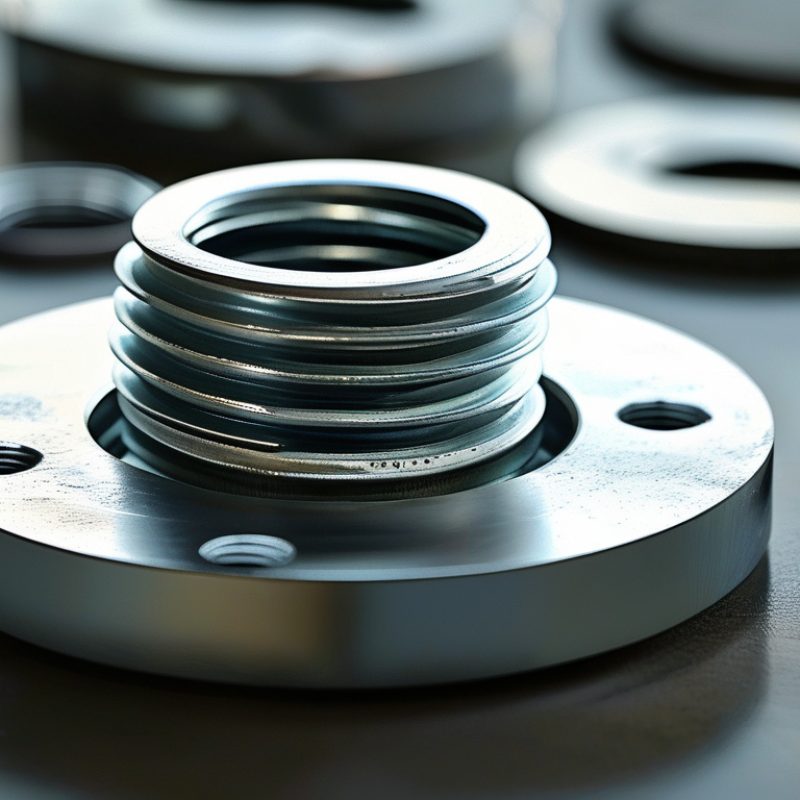
What Is a Bolt and Washer Used For?

What Is a Bolt and How Does It Work?

A bolt is a threaded fastener that joins two or more parts with a nut or threaded hole. It works by converting tightening torque into clamping force. The bolt stretches slightly, like a small spring. That tension presses the joint surfaces together and resists movement, vibration, and separation. A washer spreads the load beneath the bolt head or nut. It also protects softer materials from damage.

The numbers matter. NASA’s Fastener Design Manual explains that controlled designs often set preload near 75% of a bolt’s proof strength, depending on joint conditions. The same manual notes that only about 10–25% of tightening torque may become useful bolt preload. Friction consumes the rest. Torque alone is not perfect. Surface finish, lubrication, thread condition, and tool accuracy can change the result. I have seen a correctly sized bolt loosen because the joint settled after installation. That detail is easy to miss.

Tips: Match the washer to the bolt diameter and joint material. Use a hardened washer when the surface is soft or highly loaded. Tighten with a calibrated torque wrench, not a guess. Check the specified torque in the relevant engineering standard. Recheck critical joints after initial service, but do not retighten blindly. A loose bolt is a warning. Overtightening can be one, too.

What Is a Washer and What Purpose Does It Serve?

A washer is a small component, but it controls how a bolted joint behaves. Placed beneath a bolt head or nut, it spreads the clamping force across a wider surface. This reduces surface damage, especially on wood, aluminum, painted steel, or thin sheet metal. It can also help prevent the fastener from pulling through a soft material.

A flat washer suits most general assembly work. A spring or locking washer may help resist loosening from vibration, but it is not a universal solution. A sealing washer can limit water or dust entry when its design matches the joint. The washer’s inner diameter should fit the bolt without excessive movement. Its outer diameter should support the load without touching nearby edges. Material compatibility matters, too. Dissimilar metals may corrode when moisture is present.

Tips: Keep the washer flat against the joint. Remove dirt, burrs, and old coating first. Tighten the bolt to the specified torque when one is available. I once reused a distorted washer because it looked acceptable. That was careless. A bent washer can give a false sense of tightness and uneven pressure. Inspect it under good light, then replace it if the hole is enlarged, the surface is cracked, or the edges are badly worn. A washer does not repair a weak joint. It only distributes force within the limits of the assembly.

What Is a Bolt and Washer Used For? - What Is a Washer and What Purpose Does It Serve?

Component or Topic Primary Purpose How It Works Typical Materials Key Selection Factors Common Applications
Bolt Joins two or more parts with a removable threaded connection. A bolt passes through aligned holes and is tightened with a compatible nut. The clamping force holds the parts together. Carbon steel, alloy steel, stainless steel, brass, and titanium. Diameter, thread size and pitch, length, strength grade, corrosion resistance, and operating temperature. Structural assemblies, machinery, vehicle components, equipment frames, and maintenance work.
Flat Washer Distributes the tightening load over a larger surface area. The washer sits beneath the bolt head or nut, helping reduce surface pressure and limiting damage to the joined material. Steel, stainless steel, aluminum, brass, nylon, and other engineering plastics. Outside diameter, inside diameter, thickness, material compatibility, and bearing-surface condition. Sheet metal, wood, plastics, painted surfaces, soft materials, and general mechanical assemblies.
Lock Washer Helps resist loosening caused by vibration or minor movement. Depending on its design, it adds spring force, increased friction, or a mechanical locking effect to the joint. Spring steel, stainless steel, and other heat-treated metals. Vibration level, joint design, installation method, temperature, and compatibility with the bolt and nut. Light machinery, equipment panels, electrical enclosures, and assemblies subject to moderate vibration.
Toothed Washer Creates a stronger resistance to rotation between the fastener and the contact surface. Internal or external teeth bite into the mating surface when tightened, increasing resistance to turning. Hardened steel, stainless steel, and plated steel. Surface hardness, coating requirements, electrical conductivity, vibration, and acceptable surface marking. Electrical grounding points, panels, brackets, and joints where surface engagement is acceptable.
Sealing Washer Helps prevent the passage of water, air, oil, or other fluids through a fastened joint. A compressible rubber, elastomer, or bonded sealing element forms a barrier around the bolt hole. Rubber, EPDM, silicone, neoprene, copper, aluminum, or metal bonded with elastomer. Fluid type, pressure, temperature, chemical exposure, compression, and surface condition. Roofing, plumbing, tanks, housings, outdoor equipment, and fluid-containing assemblies.
Fender Washer Spreads the clamping force over a particularly large area. Its larger outside diameter supports thin, soft, or oversized-hole materials and helps prevent pull-through. Steel, stainless steel, aluminum, and plastic. Outside diameter, material thickness, hole size, load distribution, and available clearance. Thin sheet metal, fiberglass, wood, plastic panels, and bodywork repairs.
Bolt and Washer Combination Provides a more controlled and durable clamped joint than a bolt alone in many applications. The bolt supplies the threaded clamping force while the washer distributes that force and protects the bearing surface. Usually matching or compatible metal combinations selected for strength and corrosion resistance. Joint load, material hardness, hole size, vibration, corrosion risk, tightening torque, and washer type. Machine guards, brackets, frames, construction hardware, maintenance assemblies, and equipment installation.
Load Distribution Reduces localized pressure beneath the bolt head or nut. A washer increases the bearing area, which can lower contact pressure when the joined material is softer than the fastener. Metal or engineering plastic selected for the expected load and environment. Applied load, material strength, washer diameter, washer thickness, and risk of deformation. Connections involving wood, plastic, thin metal, composites, and coated surfaces.
Surface Protection Helps prevent the bolt head or nut from damaging the connected surface. The washer creates a separate bearing surface and may reduce scratches, indentation, or coating damage during tightening. Stainless steel, plated steel, aluminum, nylon, and other non-abrasive materials. Surface finish, hardness, corrosion conditions, appearance, and galvanic compatibility. Painted parts, finished panels, furniture hardware, appliances, and visible assemblies.
Correct Installation Ensures the joint reaches the intended clamping force without damage. Use a correctly sized bolt, nut, and washer; keep mating surfaces clean; and tighten to the specified torque when a specification is available. Depends on the selected fastener system and the materials being joined. Thread engagement, tightening torque, tool accuracy, alignment, lubrication, and service conditions. All bolted joints, especially safety-critical, structural, pressure, and vibration-prone assemblies.

General guidance: A washer is not automatically required for every bolt connection. Choose one when the joint design requires load distribution, surface protection, sealing, or additional resistance to loosening.

How Do Bolts and Washers Work Together?

Bolts and washers work together by creating and preserving clamping force. The bolt passes through aligned parts, while its threads convert turning force into tension. The washer spreads pressure beneath the bolt head or nut. This helps protect softer surfaces from dents and reduces embedment during tightening.

NASA’s Fastener Design Manual, NASA-RP-1228, notes that roughly 50% of tightening torque can overcome thread friction. About 40% may act under the bolt head or nut, leaving only around 10% to stretch the bolt. This explains why a washer alone cannot fix poor tightening. Clean threads, correct torque, and suitable washer hardness still matter. In practical assembly, uneven surfaces can make the joint feel tight while remaining mechanically weak.

Tips: Match the washer’s size and strength to the bolt and joint material. Keep contact surfaces clean and flat. Tighten gradually in a cross pattern when several bolts share one cover or flange. Recheck critical joints after initial settling, because coatings and soft materials may compress. ASME PCC-1 guidance for pressure-boundary bolting also emphasizes controlled assembly and verification. A torque wrench is useful, but torque is only an indirect estimate of preload. Even careful work can be imperfect. Inspect the joint, not just the number on the tool.

What Are the Main Types of Bolts and Washers?

A bolt and washer work together to hold parts securely while spreading pressure across a surface. The bolt provides clamping force through its threaded shaft. The washer protects the material beneath the bolt head or nut. It can also reduce loosening caused by vibration.

The main bolt types include hex bolts, carriage bolts, flange bolts, and eye bolts. Hex bolts have six-sided heads and suit many structural and machinery applications. Carriage bolts feature rounded heads and square necks, which resist turning in wood or metal. Flange bolts include a built-in bearing surface, reducing the need for a separate washer. Eye bolts provide a lifting or attachment point, but their safe use depends on correct loading direction.

Washers also come in several practical forms. Flat washers distribute pressure over a wider area. Fender washers have larger outer diameters for thin materials or oversized holes. Lock washers may help resist rotation, although their performance varies with vibration and joint design. Spring washers are not a universal solution. Sealing washers help prevent moisture from passing through a joint.

Tips: Match the bolt grade, washer size, and material to the application. Check thread engagement before tightening. Clean contact surfaces first. Use a calibrated torque tool when specifications are available. Choosing only by diameter is tempting, but it is incomplete. Inspect the joint after installation, especially when vibration or temperature changes are expected. Small details matter.

How to Select and Install the Right Bolt and Washer Pair

Selecting the right bolt and washer pair begins with the joint, not the toolbox. Measure the material thickness, hole diameter, load direction, and exposure to moisture. Choose a bolt grade that exceeds the joint’s expected tension and shear. ISO 898-1 classifies carbon-steel bolt strength, while ASME B18.2.1 defines common dimensional requirements. These standards reduce guesswork, but field conditions still matter.

A washer should fit the bolt diameter and provide firm, even bearing against the clamped surface. Use a hardened washer where the joint carries high loads or the surface is soft. NASA’s Fastener Design Manual, NASA-RP-1228, identifies preload as central to joint reliability and discusses targets near 75% of proof strength for many applications. That figure is not universal. Friction, thread condition, coating, and tool accuracy can change the actual clamp load significantly.

Keep the installation practical. Clean the threads, align the holes, and start the nut by hand. Tighten in stages when several bolts share one plate. A calibrated torque wrench helps, but torque alone is imperfect because friction consumes much of the applied force. Mark the tightened bolt and washer with a small paint line. Then inspect for gaps, tilted washers, damaged threads, or surface indentation. I have seen joints fail after looking “tight” during installation. Recheck critical assemblies after vibration or thermal cycling, and document the bolt class, washer type, torque value, and inspection date.

FAQS

: What is a bolt used for?

: A bolt joins two or more parts with a nut or threaded hole. Tightening creates clamping force. The joint stays together.

How does a bolt create clamping force?

Turning the bolt creates tension along its length. The bolt stretches slightly, like a small spring. That tension presses the parts together.

Why is a washer placed under a bolt head or nut?

A washer spreads pressure across a wider area. It helps prevent dents in soft materials. It can also reduce surface damage.

Does tightening torque equal bolt preload?

No. Torque only estimates preload indirectly. Friction consumes much of the applied torque. Surface condition changes the final clamping force.

What can reduce the accuracy of torque tightening?

Lubrication, dirty threads, damaged threads, coatings, and tool accuracy can change the result. Even a correct torque value may produce uneven preload.

How should washers be selected?

Match the washer diameter to the bolt and joint. Use a stronger washer on soft surfaces or heavily loaded joints. Size matters.

How should several bolts on one cover be tightened?

Tighten them gradually in a cross pattern. This spreads pressure more evenly. Keep the contact surfaces clean and flat.

What should be done when a bolt becomes loose?

Treat looseness as a warning. Check joint settling, surface damage, and tightening accuracy. Do not retighten blindly. I may overlook hidden movement.

Conclusion

A Bolt And Washer work together as a reliable fastening system for joining and securing materials. A bolt provides the threaded shaft that creates clamping force when tightened with a nut or threaded hole, while a washer distributes pressure across a wider surface area. This helps prevent damage to the material, reduces loosening caused by vibration, and supports a more stable connection.

Different applications require different bolt and washer types, including hex bolts, carriage bolts, flange bolts, flat washers, lock washers, and sealing washers. Choosing the right pair depends on the materials being joined, load requirements, environmental conditions, thread size, and corrosion resistance. During installation, align the parts carefully, place the washer beneath the bolt head or nut as appropriate, and tighten the fastener evenly to the recommended level. Proper selection and installation improve safety, durability, and overall connection performance.


Oliver

Oliver

Oliver is a seasoned marketing professional with a wealth of expertise in driving brand awareness and engagement. With a deep understanding of our company's product offerings, he consistently delivers high-quality content that enriches our professional blog. His insights not only shed light on......