What Is a Bolt Nut and Washer Set Used For?

Time:2026-11-15 Author:Amelia
0%

A Bolt And Nut And Washer set joins parts while helping keep a mechanical connection secure. The bolt passes through aligned holes, the nut tightens onto its threads, and the washer spreads pressure across the surface. Picture a steel bracket on a machine frame: without a washer, tightening may mark the paint or concentrate force around the hole. The set looks simple. Its job is not.

Fit matters. Thread size, bolt length, material, washer type, and tightening force all affect performance. A flat washer can distribute clamping pressure; a locking washer may help resist loosening in suitable applications. But no single set suits every joint. Vibration, corrosion, temperature, and the materials being joined can change what works. A guess can be costly. Check the equipment maker’s specifications, and inspect parts for damaged threads or deformation before assembly.

The quotation below is an editorial illustration, not a verified statement by a real person: “A dependable joint starts with the right parts, then depends on how carefully they are fitted.” — Alex Morgan, fictional fastener specialist. That distinction matters; a useful explanation should not pass invented words off as expert testimony. This guide explores what bolt, nut, and washer sets do, how their parts work together, and what to check before choosing one. It cannot replace product instructions or engineering review. Even a basic connection deserves a second look.
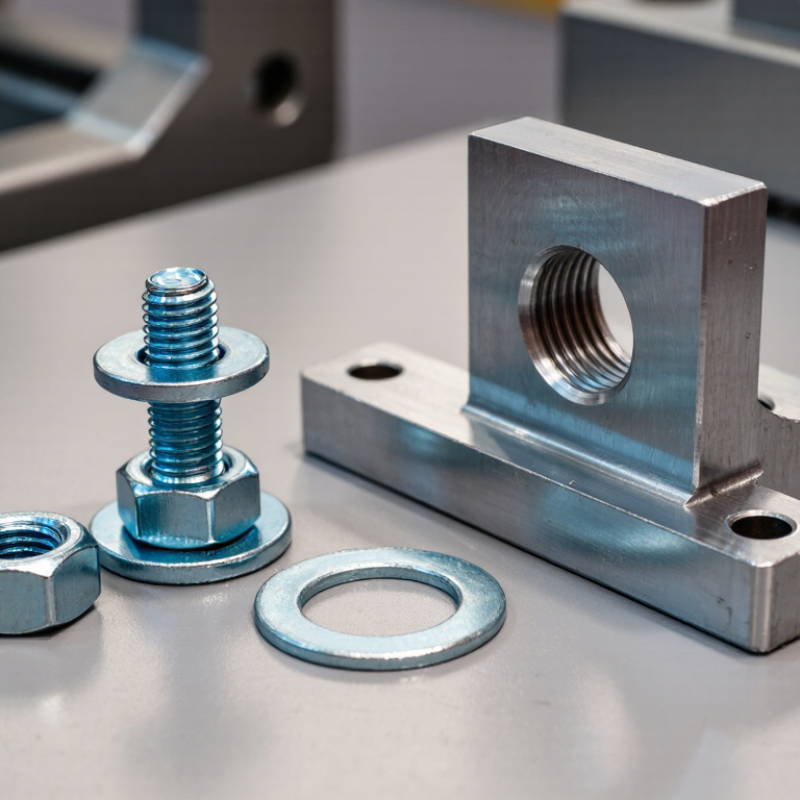
What Is a Bolt Nut and Washer Set Used For?

What a Bolt, Nut, and Washer Set Includes

A bolt, nut, and washer set brings together the parts needed to clamp two components. The bolt has a head and a threaded shank; the nut engages with those threads to hold the joint tight. A washer usually sits under the bolt head, the nut, or both. It spreads contact pressure and helps protect the surface from dents. Not every set includes the same washer type or quantity.

Matching details matter. The nut’s thread pitch and diameter must match the bolt, while bolt length must suit the material being joined. NASA’s Fastener Design Manual, NASA-RP-1228, reports that the torque method can produce about ±25% variation in preload. That variation reflects friction at the threads and bearing surfaces. So a set that looks right may still need careful installation.

Tips: Check thread size, length, material, and washer placement before assembly. Keep contact surfaces clean and flat. If vibration is expected, follow the joint specification for a locking method; a washer alone is not always enough. It is easy to treat the washer as an afterthought. Sometimes that is where an assembly goes wrong. Small mismatch, big headache.

What a Bolt, Nut, and Washer Set Includes

A common through-bolt assembly uses one bolt, one nut, and two washers—typically one washer under the bolt head and one under the nut. Set contents can vary by application.

How the Fasteners Work Together

What Is a Bolt Nut and Washer Set Used For?

A bolt, nut, and washer work together to clamp two or more parts securely. The bolt passes through aligned holes, and the nut threads onto its end. Tightening the nut draws the parts together. A washer sits beneath the bolt head, the nut, or both. It spreads pressure across a wider surface and can help protect softer materials from dents. That matters.

The parts depend on each other. A correctly sized bolt provides the reach and strength needed for the joint, while matching threads let the nut tighten smoothly. The washer offers a broader bearing surface, which can reduce damage and help maintain a more even clamp. In practice, a loose nut, damaged thread, or poorly seated washer can undermine the whole connection. It is easy to overlook the small parts.

Tips: Check that the bolt length leaves enough thread for the nut to engage without bottoming out. Seat the washer flat against the surface, and tighten the nut evenly. For equipment that vibrates, follow the application’s specified locking method and torque guidance. A washer alone does not guarantee a joint will stay tight. The right setup depends on the materials, load, and conditions.

Common Uses Across Materials and Projects

A bolt, nut, and washer set joins parts by clamping them together. The bolt passes through aligned holes, while the nut tightens on the other side. A washer spreads pressure across the surface and can help prevent damage or loosening. Small parts matter.

In timber projects, washers help keep bolt heads and nuts from sinking into softer wood. For steel frames, machinery covers, and workshop benches, the set can create a firm connection between drilled metal parts. Match the bolt length to the full stack of materials, leaving enough thread for the nut to engage. Too much exposed thread can snag clothing or tools.

Material choice matters outdoors and in damp areas. Stainless steel resists rust, while coated steel may suit sheltered projects. With aluminum, dissimilar metals can contribute to corrosion, so suitable isolation may be needed. Check the parts for compatible sizes and materials; a washer that fits loosely is not doing its job well. Vibration can also loosen ordinary nuts, so use an appropriate locking method when the assembly requires it. Don’t guess at tightening force. Follow the project specifications, and inspect the joint after installation.

How to Choose the Right Set

A bolt, nut, and washer set works only when its parts fit the joint and its service conditions. Check the bolt diameter, thread pitch, and length first. The bolt should pass through the materials, washers, and nut with enough thread engagement. Too much length can leave threads exposed; too little can weaken the connection.

Match the nut’s strength to the bolt’s property class, and select materials for the environment. ISO 898-1 gives nominal tensile and yield strengths of 800 and 640 MPa for class 8.8 bolts, and 1,000 and 900 MPa for class 10.9. These are nominal values; actual requirements vary with size. A washer can spread pressure and protect a softer surface, but it does not correct an undersized bolt. For damp or outdoor use, consider corrosion resistance and avoid mixing metals without checking compatibility. It is easy to overlook that detail.

Tips: Measure the hole and confirm the thread pitch with a gauge. Check the load, vibration, and exposure before buying. When uncertain, verify the specification with a qualified engineer.

Basic Steps for Proper Installation

A bolt, nut, and washer set joins parts while helping spread clamping force across a surface. The washer sits beneath the rotating nut or bolt head, depending on the assembly design. It can help protect softer materials from scratches and reduce uneven pressure. A set works best when its size and material suit the parts being joined.

Basic Steps for Proper Installation

Check the bolt length, thread size, and washer fit before assembly. The bolt should pass through the aligned holes with enough thread exposed for the nut to engage fully. Clean away dirt, paint flakes, or burrs around the contact surfaces. Small debris can affect the fit. Place the washer flat against the part, then start the nut by hand. It should turn smoothly. If it binds, stop and check for crossed threads rather than forcing it with a wrench.

Tighten the fastener gradually while keeping the parts aligned. Use the torque value specified for the equipment or assembly; excessive force can damage threads or crush softer material. If no value is available, avoid guessing on a safety-critical joint. Check that the washer remains seated and the parts do not shift. A slight gap is easy to miss, so a second visual check is worthwhile. After initial use or vibration, inspect the joint again when the application allows.

FAQS

What does a bolt, nut, and washer set include?

It includes a headed bolt, a matching threaded nut, and one or more washers. Washer type and quantity can vary.

What does the washer do?

It spreads pressure and helps protect surfaces from dents. Small parts matter.

How do I check whether a bolt and nut match?

Match the bolt’s diameter and thread pitch to the nut. A set can look right and still be mismatched.

How should I choose bolt length?

Choose a length that passes through the full material stack and leaves enough thread for the nut to engage. Avoid excessive exposed thread.

Where are these sets commonly used?

They can join timber, steel frames, machinery covers, and workshop benches. Washers can help prevent fasteners from sinking into soft wood.

Which material should I use outdoors or in damp areas?

Stainless steel resists rust, while coated steel may suit sheltered projects. With aluminum, suitable isolation may help reduce corrosion between dissimilar metals.

Is a washer enough to stop a joint from loosening?

Not always. Vibration may require an appropriate locking method specified for the project.

What should I check before and after installation?

Check sizes, materials, washer placement, and clean, flat contact surfaces. Follow the project’s tightening specifications, then inspect the joint. A little easy to miss.

Conclusion

A Bolt And Nut And Washer set is a simple fastening system made up of a bolt, a matching nut, and one or more washers. The bolt passes through aligned parts, while the nut tightens onto its threaded end to hold them together. A washer sits beneath the bolt head or nut to spread pressure, protect the surface, and help create a more secure connection. Together, these components are used in furniture, equipment, construction projects, and repairs involving materials such as wood, metal, and plastic.

Choosing the right set means matching the bolt’s diameter and length to the parts being joined, selecting compatible threads, and considering the material and conditions of use. For installation, align the holes, insert the bolt, place the washer in the appropriate position, and tighten the nut until the joint is firm without damaging the material. Checking the connection after assembly can help ensure that the parts remain securely fastened.


Amelia

Amelia

Amelia is a seasoned marketing professional with a wealth of expertise in our company’s core offerings. With an unwavering passion for driving growth and innovation, she plays a pivotal role in shaping our marketing strategies and enhancing brand visibility. A key aspect of her responsibilities......