In the world of manufacturing, understanding the types of screw and thread is critical for global buyers. According to John Smith, a renowned expert in the screw and thread industry, "Knowledge of screw and thread specifications can save both time and cost." His insights shed light on the importance of selecting the right components for various applications.
Screws and threads come in many shapes and sizes. Each type has unique characteristics that can impact performance. For instance, metric threads are standard in Europe, while Unified threads dominate in North America. Global buyers must navigate these differences carefully.
Choosing the correct screw and thread isn't just about compatibility. It affects assembly and tension. Many professionals overlook the importance of fine thread versus coarse thread. Each serves different purposes and environments. Understanding these nuances can lead to more efficient operations and better product outcomes.
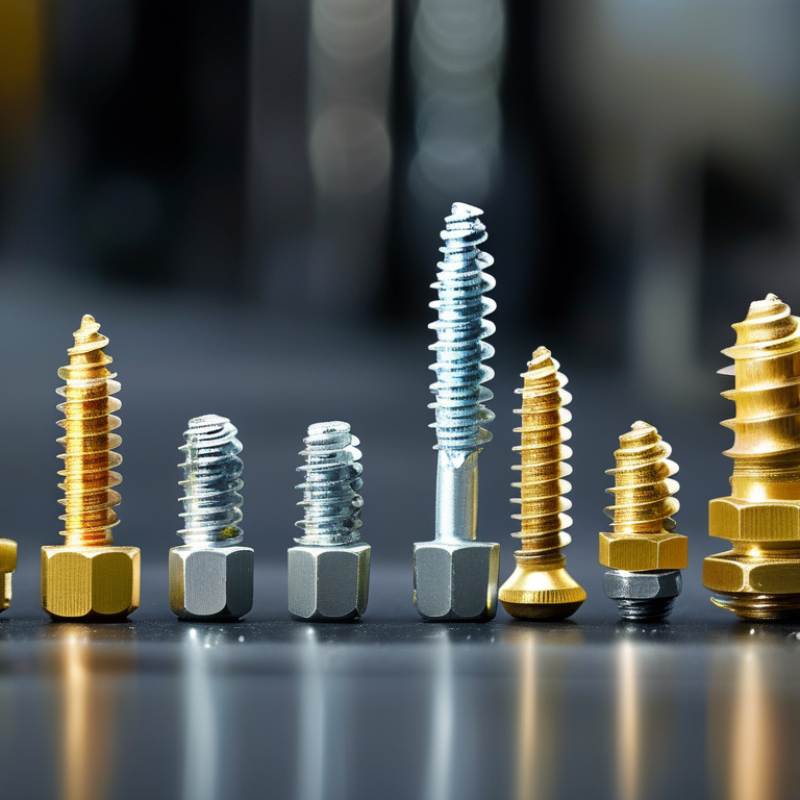
Types of Screws: An Overview for Global Buyers
Screws come in various types, each designed for specific applications. According to a
recent industry report, the global screw market is expected to exceed
$80 billion by 2025. This growth highlights the importance of understanding screw types.
From wood screws to machine screws, each type serves its purpose.
Wood screws typically feature sharp tips and coarse threads for better grip in wooden materials. In contrast,
machine screws are uniform with a flat or rounded head. They are often used in machinery and electronic devices. The
correct choice of screw type can significantly impact the strength and durability of a project.
To complicate matters, many buyers face challenges in selecting the right thread. Threads have different shapes, such as
coarse,
fine, and
metric, which can affect tensile strength. An ill-equipped choice may lead to failure during application.
Additionally, regional standards vary, adding another layer of complexity for global buyers. Understanding these nuances
is critical for effective sourcing and application.
Understanding Thread Types: A Key to Selection
When selecting screws, understanding thread types is crucial. There are various thread designs that serve specific purposes. Unified National threads are common in North America. These tend to provide better holding power in softer materials. On the other hand, metric threads are widely used globally. They are often preferred for their precision and compatibility with international standards.
Some users overlook the importance of thread pitch. The distance between threads affects torque and grip. Fine threads are ideal for delicate applications. They offer tighter fastening and less chance of stripping. Coarse threads, however, are more effective in softer materials. They provide greater resistance to loosening over time. It’s essential to match thread types with your material for optimal performance.
Many people find choosing the right screw overwhelming. There’s no one-size-fits-all solution. It's important to evaluate your specific needs. Take time to consider the load requirements and environmental conditions. Mistakes in thread selection can lead to project failures. Experimenting with different types can reveal what works best in practice. The right choice enhances durability and safety.
Common Materials Used for Screws and Threads
When it comes to screws and threads, the choice of material significantly impacts their performance. Steel is one of the most common materials, widely used for its strength and durability. Stainless steel offers excellent corrosion resistance, making it ideal for outdoor applications. It is crucial to consider the environment where screws will be used. If they are exposed to moisture, rust-resistant materials are essential.
Brass is another material often chosen for screws, especially in electrical components. It excels in conductivity and is less prone to corrosion than steel. However, brass screws can be softer and might not withstand heavy loads. Plastic screws are also gaining popularity for lightweight applications and provide insulation in electrical setups. Each material has its own advantages and disadvantages, requiring careful selection based on specific needs.
Materials impact the cost and longevity of screws. A high-quality material often means a higher price, but the investment can lead to longer-lasting performance. Proper understanding of materials is critical for global buyers. Choosing the right screw material is not just a technical decision; it reflects an understanding of the project requirements. Mistakes in material selection can lead to failures, so thoughtful evaluation is necessary.
What are the Types of Screw and Thread for Global Buyers? - Common Materials Used for Screws and Threads
| Type of Screw |
Thread Type |
Common Material |
Typical Uses |
| Wood Screw |
Coarse Thread |
Steel |
Furniture assembly, carpentry |
| Machine Screw |
Fine Thread |
Stainless Steel |
Machinery, automotive |
| Self-Tapping Screw |
Self-Drilling |
Carbon Steel |
Sheet metal, plastic |
| Lag Screw |
Coarse Thread |
High-Strength Steel |
Heavy construction, timber framing |
| Hex Bolt |
Coarse Thread |
Alloy Steel |
Structural applications, machinery |
Global Standards for Screw Threads and Sizing
Screw threads are critical in ensuring secure connections in various industries. Global standardization is essential for compatibility and safety. The International Organization for Standardization (ISO) has set guidelines for screw threads, aiding manufacturers and buyers. The ISO metric thread, for example, is one of the most widely used standards, facilitating cross-border trade. It's vital to understand these standards for quality control.
Different thread forms exist, including unified, metric, and trapezoidal threads. According to a report by Global Industry Analysts, the demand for precision screws is increasing, driven by the automotive and construction sectors. This demand underscores the importance of adhering to specific sizing criteria. Accurate sizing can minimize errors during manufacturing and installation, enhancing overall quality.
However, complications can arise when standards are not uniformly applied. Variations in thread pitch and diameter can lead to assembly issues. It's crucial for global buyers to demand stringent quality checks. Inconsistent standards can compromise the integrity of the final product. Ensuring awareness and compliance can mitigate these risks effectively.
Applications of Different Screw Types in Various Industries
Screws play a vital role across diverse industries. Their applications are vast, ranging from construction to aerospace.
For instance, wood screws are essential in carpentry. They provide strong jointing for furniture and frameworks.
According to the American Fastener Journal, the global wood screw market is projected to grow at a CAGR of over 5% through 2028.
This reflects the ongoing demand in the construction sector.
In the automotive industry, screws used in engine assemblies and bodywork face high stress. The right type of screw enhances durability and safety.
Self-tapping screws are particularly useful here. They create their own threads and can be installed quickly, reducing labor costs.
A report from the International Journal of Automotive Engineering highlights that self-tapping screws improve production efficiency by 15% in assembly lines.
Tip: Always choose screws based on their load-bearing capacity and environmental conditions.
For electronic devices, screws are crucial for maintaining compactness and reliability.
Micro screws, often made from stainless steel, hold devices together tightly. A global electronics report notes an increase in micro-screw usage by 20% in the tech industry.
However, over-tightening can lead to device damage, which needs careful consideration during installation.
Tip: Conduct regular audits on screw types used in your projects to ensure compliance with industry standards.
FAQS
: Screws vary widely, including wood screws and machine screws, each serving specific purposes.
Different thread types, like coarse and fine, impact strength and application effectiveness.
Thread shapes influence tensile strength and torque, which can lead to project failures if mismatched.
Wood screws are essential in carpentry, providing strong joints for furniture and frameworks.
Screws are vital in construction, automotive, and electronics, each with unique requirements.
Self-tapping screws save time by creating their own threads, enhancing production efficiency.
Over-tightening micro screws can damage devices, highlighting the need for careful installation.
Reports indicate a growing use of micro screws in electronics and wood screws in construction.
Regular audits on screw types used can help ensure compliance with industry standards.
Variations in regional standards and thread types can add complexity to the selection process.
Conclusion
This article provides a comprehensive overview of the types of screws and threads essential for global buyers. It begins with a detailed examination of different screw types, highlighting their unique characteristics and applications across various industries. Understanding the thread types is emphasized as a critical factor in selecting the appropriate screw and thread for specific needs.
Additionally, the article explores the common materials utilized for screws and threads, ensuring that buyers are informed about the best choices for durability and strength. It also discusses global standards for screw threads and sizing, which are vital for ensuring compatibility in international markets. Overall, this guide serves as a valuable resource for buyers looking to make informed decisions in the diverse world of screw and thread applications.

 Dongshuo Fastener