Types of Bolt You Should Know for Your Next Project?

Time:2026-06-24 Author:Henry
0%

When tackling a new project, understanding the "Types of Bolt" is crucial. According to engineering expert John Smith, "Selecting the right bolt can make or break your project." Bolts serve as essential fasteners in various applications, ranging from construction to automotive design. Knowing which types to choose can save time and prevent costly mistakes.

Different categories, such as hex bolts, carriage bolts, and lag bolts, cater to specific needs. For instance, hex bolts offer high strength for heavy loads, while carriage bolts come with rounded heads for a smooth finish. These are just a few examples of the myriad options available. Each bolt type brings unique characteristics, such as material, size, and thread configuration, which can affect performance and longevity.

Yet, many overlook the importance of this selection process. Inexperience can lead to choosing the wrong bolt, causing structural failures or safety hazards. By delving deep into "Types of Bolt," you can ensure a stronger, safer outcome for your projects. Understanding these elements creates a foundation for success in any endeavor.
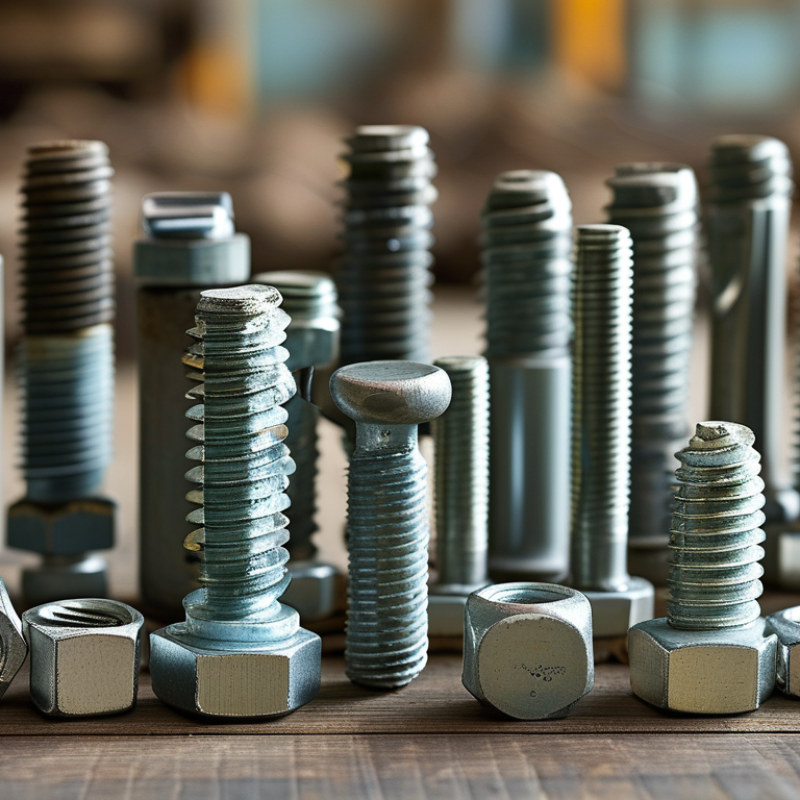
Types of Bolt You Should Know for Your Next Project?

Types of Bolts: An Overview of Common Fastener Types

When embarking on a new project, understanding the various types of bolts is crucial. Bolts serve as essential fasteners in construction and mechanical applications. Different designs suit specific purposes, and choosing the right one can affect the integrity of your work.

Common bolt types include hex bolts, carriage bolts, and lag bolts. Hex bolts are versatile and widely used for their strength and corrosion resistance. Carriage bolts feature a rounded head, perfect for securing wooden structures. Lag bolts are designed for heavy-duty applications, offering robust support for framing and fastening tasks.

Consider the material and finish of each bolt type. Stainless steel bolts resist rust and corrosion, while zinc-coated options perform well in less demanding environments. Not all projects require high-grade materials, but using the appropriate type can enhance performance and longevity. Some users may overlook the importance of bolt selection, leading to potential failures. Reflecting on your choices can improve future projects significantly.

Types of Bolts You Should Know for Your Next Project

Understanding Material Composition of Bolts: Steel, Stainless Steel, and Alloys

When it comes to bolts, understanding their material composition is crucial. Steel bolts are common due to their strength and cost-effectiveness. They handle high tension and stress. However, they can rust without proper coating. Stainless steel bolts, on the other hand, resist corrosion well. They are ideal for outdoor projects or marine applications.

Alloy bolts offer a blend of properties. They can be tailored for specific needs, balancing strength and weight. This makes them suitable for various construction projects. However, it's important to research the specific alloy to ensure it meets your project's demands.

Tips: Always assess the environment where the bolt will be used. Will moisture be a factor? Consider stainless steel for wet conditions. Always check load requirements. A bolt that is too weak may fail under pressure. Regularly evaluate the bolts during maintenance checks. Ensuring they are not corroded or damaged can save future headaches.

Load Ratings and Strength Classes: Choosing the Right Bolt for Your Project

Choosing the right bolt for your project is crucial. Load ratings and strength classes significantly influence the bolt's performance. For structural applications, grades 8.8, 10.9, and 12.9 are common choices. The numbers indicate the tensile strength and yield strength of the bolts, with grade 12.9 being the strongest. According to the ASTM standards, grade 8.8 has a tensile strength of 800 MPa. This is essential for heavy-duty applications.

However, there can be confusion in strength classes. Many users select based solely on availability, overlooking load ratings. This misstep can lead to structural weaknesses. In projects exposed to dynamic loads, such as bridges, a detailed assessment of the load ratings is necessary. A bolt that seems adequate might fail under specific conditions.

When evaluating bolts, consider both strength and environment. Corrosion resistance is vital in coastal areas, making zinc-coated or stainless steel bolts preferable. It's easy to underestimate these factors. A seemingly simple choice can greatly impact safety and durability. Always consult engineering guidelines for your specific needs. Prioritizing proper bolt selection over convenience can save time and resources in the long run.

Types of Bolt You Should Know for Your Next Project

Bolt Type Load Rating (lbs) Strength Class Material
Hex Head Bolt 60,000 Grade 5 Carbon Steel
Socket Head Cap Screw 80,000 Grade 8 Alloy Steel
Carriage Bolt 50,000 Grade 2 Carbon Steel
Lag Bolt 70,000 Grade 5 Stainless Steel
Eye Bolt 30,000 Grade 5 Steel

Specialty Bolts: Application-Specific Fasteners for Unique Requirements

When undertaking specialized projects, understanding the right type of bolts is crucial. Specialty bolts cater to unique applications. These bolts can significantly enhance the performance and longevity of various assemblies. Each type of specialty bolt serves a specific purpose, designed to meet unique requirements.

Common examples include anchor bolts, used in construction to secure structures. Their strength is essential for stability. Another type is shoulder bolts, which provide precise alignment in machinery. They allow for smooth movement and less friction in mechanical systems. However, not all specialty bolts are easy to source. It can be challenging to find the right fit for unusual applications.

Many professionals overlook the importance of proper selection. This can lead to costly mistakes down the line. It’s vital to study your project’s requirements thoroughly. Understanding load capacities, environmental conditions, and mechanical properties is key. A misstep in choosing a bolt could compromise safety and functionality. Always seek reliable sources and consult experts when in doubt.

Environmental Considerations: Corrosion Resistance and Coating Options

When considering bolts for your next project, environmental factors play a crucial role. Corrosion resistance is essential, especially in outdoor or humid environments. Different materials offer varying levels of protection against rust and degradation over time. Stainless steel bolts provide excellent resistance; however, they can be expensive. On the other hand, galvanized bolts are more affordable but may not last as long under harsh conditions.

Coating options can enhance a bolt's durability significantly. For instance, powder coating offers a strong barrier against moisture. It can be applied in various colors, allowing for aesthetic customization. However, the thickness of the coating may affect the bolt's tolerance levels. Another option is zinc plating, which is widely used due to its cost-effectiveness and good corrosion protection. Each method has its pros and cons, and sometimes you may need to compromise between cost and performance.

Project requirements should guide your choice in bolt types and coatings. Reflecting on past experiences can help inform future decisions. If a previous project failed due to corrosion, this will impact your selection process. Understanding the environment in which the bolts will be used is vital. Always evaluate the long-term implications of your choices to ensure reliability and performance.

FAQS

: What are specialty bolts?

: Specialty bolts are fasteners designed for unique applications. They enhance the performance and longevity of specific assemblies.

Why is the proper selection of bolts critical?

Improper selection can lead to costly mistakes. It's essential for safety and functionality in your project.

What is an example of a specialty bolt?

Anchor bolts are used in construction to secure structures. Their strength ensures necessary stability.

How do shoulder bolts function?

Shoulder bolts provide precise alignment in machinery. They help with smooth movement and reduce friction.

Why is corrosion resistance important for bolts?

Corrosion resistance is crucial in outdoor or humid environments. It protects against rust and degradation.

What are the different coating options for bolts?

Common coatings include powder coating and zinc plating. Each offers varying levels of durability and cost.

How does powder coating affect bolt performance?

Powder coating provides a strong barrier against moisture. However, it may impact the bolt's tolerance levels.

What should guide the choice of bolt types?

Project requirements should dictate the types of bolts used. Understanding past failures can also inform better choices.

Are stainless steel bolts worth the cost?

Stainless steel bolts offer excellent corrosion resistance but can be expensive. Assess your budget and project needs carefully.

What should you consider for long-term bolt reliability?

Evaluate environmental conditions and load capacities. Reflecting on past projects can prevent similar mistakes.

Conclusion

When tackling a project, understanding the various types of bolts is essential for ensuring structural integrity and reliability. This overview highlights the common fastener types, ranging from standard options to specialty bolts designed for specific applications. Knowing the material composition, such as steel, stainless steel, and various alloys, plays a crucial role in selecting the right bolt for different environments and load-bearing requirements.

Additionally, considering load ratings and strength classes is vital for ensuring that the chosen bolts can withstand the intended stresses. Environmental factors, such as corrosion resistance and coating options, further influence the decision-making process. By familiarizing yourself with these types of bolts and their specifications, you can make informed choices that enhance the performance and longevity of your projects.


Henry

Henry

Henry is a dedicated marketing professional with a profound expertise in the company's offerings. With years of experience in the industry, he possesses an impressive understanding of the market dynamics and consumer behaviors that drive success. Henry is committed to sharing his insights through......