Hex screws play a crucial role in various applications across industries. Understanding the different types can help buyers make informed choices. This article explores the top 10 hex screw types for global buyers.
Hex screws are favored for their strength and versatility. They can secure components in automotive, construction, and machinery. However, selecting the right type involves more than just strength. Factors like material, coating, and size matter. Each choice impacts durability and overall performance.
As we delve into the various types, consider your specific needs. Not all hex screws are created equal. Some may perform well in specific conditions while failing in others. Reflecting on past experiences can guide better decisions moving forward. You might discover overlooked options that fit your projects perfectly.
Overview of Hex Screw Types and Their Applications
Hex screws are essential components in many industries. Understanding their types and applications is crucial for buyers. There is a wide range of hex screw types, and each serves a specific purpose. According to a recent industry report, the demand for hex screws is expected to grow by 4.1% annually through 2026. This growth is driven by increased construction and manufacturing activities globally.
Common hex screw types include hex head, socket head, and flange screws. Hex head screws are widely used in mechanical and structural applications. They provide excellent torque and stability. Socket head screws, with their internal hex drive, are ideal for tight spaces where standard tools can't fit. Flange screws, which feature a built-in washer, distribute load across the surface, reducing the risk of loosening. Each type has distinct advantages and ideal applications.
However, the use of hex screws is not without challenges. The materials used for hex screws can vary significantly. Buyers must consider corrosion resistance and strength under different conditions. For example, steel hex screws are common, but stainless steel offers better durability in harsh environments. Understanding these variables can impact product performance. It's crucial for buyers to choose wisely to ensure the right fit for their specific needs.
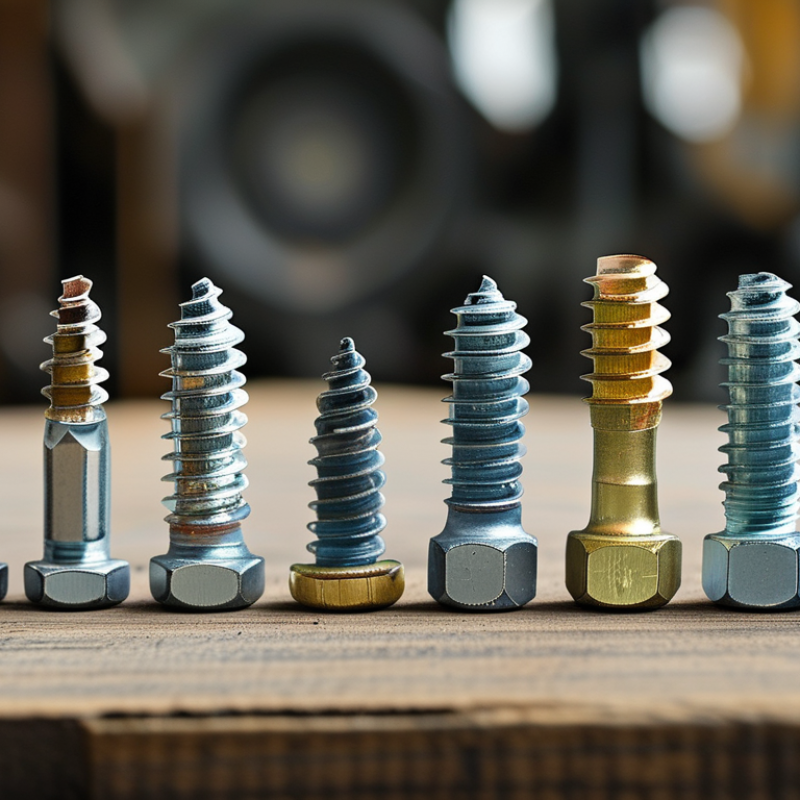
Top 10 Hex Screw Types and Their Applications
Common Materials Used in Hex Screws and Their Benefits
Hex screws come in various materials, each with distinct benefits. Steel is the most common choice. It offers superior strength and durability. According to a recent industry report, steel hex screws are used in over 70% of construction projects due to their reliability.
Stainless steel is an alternative that provides excellent corrosion resistance. This makes it ideal for outdoor applications and marine environments. A study by the Fastener Institute highlights that stainless steel screws are growing in popularity, mainly for their long lifespan. They can withstand harsh weather and resist rust, making them a trusted choice for many industries.
Another material to consider is brass. Its aesthetic appeal and natural resistance to corrosion make it suitable for decorative applications. However, brass may not be as strong as steel or stainless steel. This trade-off can affect performance in heavy-duty settings. Balancing material choice with the specific requirements of your project is crucial. Each material has its own set of attributes that can significantly impact the overall performance of hex screws.
Key Features to Look for When Selecting Hex Screws
When selecting hex screws, several key features should be prioritized to ensure performance and reliability. Material choice is critical; most hex screws are made from steel, stainless steel, or brass. Each material offers unique properties. Steel is strong but may rust. Stainless steel resists corrosion, making it ideal for outdoor use. Brass is less strong but offers excellent chemical resistance.
Thread type plays a significant role in screw functionality. Coarse threads provide better grip in softer materials. Fine threads allow for more precision, especially in harder materials. According to industry reports, a high percentage of failure in applications stems from incorrect thread selection.
The head style is another aspect to consider. Standard hex heads allow for easy turning, but not all projects require a full socket. Some applications benefit from low-profile heads. Hex screws also vary in length and diameter, impacting their strength and load-bearing capabilities. Understanding these details helps in making informed decisions. A common misstep is overlooking these specifics, leading to premature failure in critical applications.
Comparison of Popular Hex Screw Types for Different Industries
When selecting hex screws for various industries, knowing the types available is crucial. Hex screws vary significantly in design and application. For automotive use, flange hex screws are popular due to their ability to distribute load effectively. They offer enhanced stability, particularly in high-stress environments. On the other hand, hex head screws with a wider bearing surface are often favored in construction. This design helps in preventing stripping during installation.
Another type worth considering is the hex socket screw, frequently used in machinery. Their internal drive system allows for higher torque, making them ideal for tight spaces. However, they can be tricky to remove if the socket gets worn out. Then there's the set screw, commonly found in furniture assembly. These screws lock parts in place but may require frequent maintenance to ensure they remain secure.
Understanding these nuances empowers buyers to make informed choices. Each hex screw type has its strengths and weaknesses. Thus, considering the specific application is vital to avoid potential issues. Ensuring the right fit can save time and reduce costs in the long run. If in doubt, consulting a specialist can provide valuable insights tailored to your needs.
Tips for Sourcing Quality Hex Screws Globally
Sourcing quality hex screws globally requires keen attention to detail. Start by identifying
reliable manufacturers. Look for companies with a proven track record in the industry.
Check their certifications and standards compliance. These documents indicate the quality of their products.
Consider the materials used in the hex screws. Different applications demand different materials.
Stainless steel, for example, resists rust and corrosion.
However, it’s essential to balance cost and quality. Sometimes, cheaper options lead to higher long-term expenses
due to replacements.
Communication is vital. Engage with suppliers to discuss your specific needs.
Ask about their quality control measures. Request samples to assess the finish and dimensions.
A well-made hex screw should fit tightly and not strip easily.
Be prepared for negotiations. Prices can vary significantly based on order volume and supplier location.
Your choice should prioritize durability and reliability over short-term savings.
FAQS
: Common types include hex head, socket head, and flange screws. Each serves distinct purposes in various applications.
Material affects strength and durability. Steel is strong, while stainless steel resists corrosion, making it suitable for outdoor use.
Coarse threads grip softer materials better, while fine threads offer precision for harder materials. Incorrect thread selection causes failures.
Head styles vary in functionality. Standard hex heads allow easy turning, but low-profile heads may be more suitable for specific applications.
Look for companies with proven track records. Check certifications and compliance with industry standards for quality assurance.
Balance cost and quality. Stainless steel may be more expensive upfront but reduces long-term replacement costs due to durability.
Communication is essential to clarify needs. Discuss quality control measures and request samples to evaluate fit and finish.
A frequent misstep is overlooking specific details like material or thread type, leading to potential failures in critical applications.
Yes, be prepared for negotiations. Prices may vary widely based on order size and location, so prioritize quality over short-term savings.
Conclusion
This article provides a comprehensive overview of the various types of hex screws available globally and their diverse applications across industries. Hex screws come in multiple designs, each suited for specific tasks, and the article breaks down the common materials used in their manufacturing—such as stainless steel and carbon steel—highlighting their respective benefits.
Additionally, readers will find key features to consider when selecting hex screws, ensuring optimal performance for their projects. The comparison of popular hex screw types tailored for different industries helps buyers make informed decisions. Lastly, practical tips for sourcing quality hex screws globally are discussed, ensuring that buyers can find reliable options that meet their needs effectively.

 Dongshuo Fastener