The demand for Concrete Anchor Bolts is set to rise significantly by 2026. According to a recent report by Global Market Insights, the concrete fasteners market is projected to reach $5 billion by 2026, driven by urbanization and infrastructure projects. Experts highlight the importance of selecting high-quality anchor bolts for durability and safety in construction.
Dr. Emily Chen, a recognized authority in construction materials, states, “Choosing the right Concrete Anchor Bolts is crucial for structural integrity.” This underscores the weight of informed choices in the industry. The rise in construction activities will inevitably lead to an increased need for reliable fastening solutions.
However, not all products meet stringent performance standards. Choosing subpar Concrete Anchor Bolts can lead to serious structural failures. Some manufacturers may prioritize cost over quality, and this can become a risky gamble. As the industry evolves, buyers must critically evaluate their options to ensure reliability and safety in their projects.
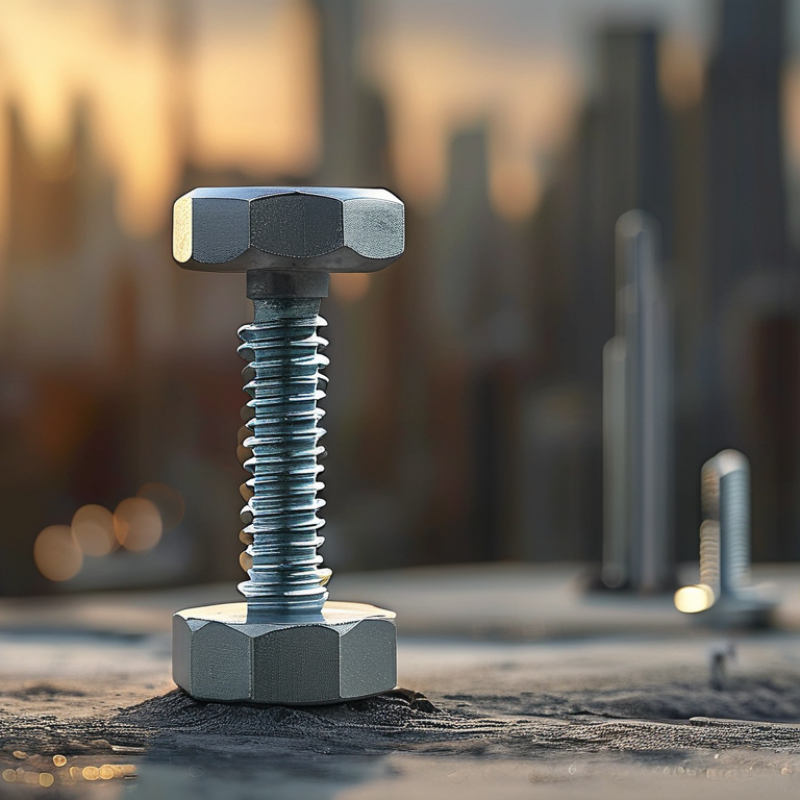
When selecting concrete anchor bolts for international markets, understanding the various types is crucial. Two popular options are wedge anchors and sleeve anchors. Wedge anchors provide strong holding power in concrete. They work best in solid materials. Sleeve anchors are versatile. They can be used in both concrete and masonry. Each option has distinct advantages.
Tips: Always consider the specific project requirements before choosing the type of anchor bolt. The environment and load conditions matter significantly. Choosing incorrectly can lead to structural failures and safety hazards.
Another important type is the expansion anchor. These anchors expand upon installation, securing themselves firmly in place. They are excellent for overhead applications. However, proper installation techniques are essential. Misalignment can cause issues later.
Tips: Training workers on installation is vital. Lack of knowledge may lead to mistakes. Regularly inspect installations to ensure they meet safety standards. Each type of anchor bolt serves a unique purpose. Understanding them can prevent costly errors.
Selecting the right concrete anchor bolts involves careful consideration of several key features. One essential attribute is the material. Common materials include steel, stainless steel, and carbon steel. Stainless steel offers excellent corrosion resistance, which is critical for projects exposed to moisture. According to a recent industry report, about 45% of concrete failures stem from inadequate material selection.
Another vital feature to consider is the load capacity of the bolts. It is crucial to understand the weight and forces they will bear. Some construction experts recommend using a safety factor of at least 4:1. Additionally, the bolt’s design plays a significant role in its performance. A well-designed bolt can distribute stress more evenly, reducing the risk of failure. Data shows that design flaws contribute to 30% of construction-related accidents.
Installation techniques are also worth noting. Proper anchoring methods enhance the performance of anchor bolts. Misalignment during installation can lead to compromised structural integrity. Some reports indicate that approximately 60% of structural issues could have been prevented with meticulous installation practices. Although selecting the right anchor bolt appears straightforward, these nuances demand attention.
| Feature | Description | Material | Load Capacity | Coating Type |
|---|---|---|---|---|
| Standard Bolt | General purpose bolt for various applications | Carbon Steel | 10,000 lbs | Zinc Plated |
| Sleeve Anchor | Used for anchoring into solid base materials | Stainless Steel | 6,000 lbs | None |
| Wedge Anchor | Ideal for heavy-duty applications | Carbon Steel | 12,000 lbs | Hot-Dip Galvanized |
| Expand Anchor | Used in hollow walls or drywall applications | Aluminum | 3,000 lbs | Anodized |
| Concrete Screws | Self-tapping screws for quick installations | Hardened Steel | 2,500 lbs | Black Oxide |
Concrete anchor bolts play a critical role in construction projects worldwide. Their importance can’t be overstated. These bolts secure structures, ensuring safety and durability. Leading manufacturers invest in advanced technology. They focus on creating innovative products that meet global standards. This dedication enhances quality and reliability in various applications.
Globally, many manufacturers specialize in this niche. They understand the diverse needs of different regions. The market encompasses various materials, such as stainless steel and carbon steel. Each type offers distinct advantages. However, some products may not perform well in all conditions. Selecting the right bolts requires expertise and careful consideration.
The industry still faces challenges. Some manufacturers struggle with quality control. This inconsistency can lead to structural vulnerabilities. Buyers must prioritize suppliers with a reputation for reliability. Researching company backgrounds and customer reviews can help. Understanding these factors is crucial for making informed decisions.
In 2026, the market for concrete anchor bolts is expected to reflect significant trends and evolving demands. With infrastructure development accelerating globally, the need for reliable fastening solutions becomes critical. Industries like construction and engineering are looking for durable and high-performance products. Quality assurance and engineering specifications will play crucial roles in buyers' decisions.
Currently, the push for sustainability influences material choices. Buyers increasingly favor eco-friendly options without compromising strength or reliability. There is also a rise in demand for customized solutions tailored to specific applications. However, the challenge remains in finding suppliers that can maintain high quality while meeting these diverse needs.
Many consumers seek guidance from industry experts. This helps to navigate the array of available products. However, misleading claims can cloud judgment. Staying informed about genuine innovations and reliable certifications is vital. Monitoring market changes can help buyers make informed decisions, ensuring that their investments in concrete anchor bolts lead to successful outcomes.
Concrete anchor bolts play a crucial role in a variety of construction applications. They are widely used in bridge construction, building frameworks, and anchoring machinery. According to a report by Research and Markets, the global construction anchoring system market is projected to grow at a CAGR of 5.2% from 2022 to 2026. This signaling robust demand illustrates their fundamental importance in modern engineering.
In industrial settings, these bolts secure heavy equipment to concrete foundations. For example, in wind turbine installations, robust anchorage is vital. A study noted that improperly anchored turbines lead to increased failure rates. Specifically, 25% of failures were linked to inadequate anchoring techniques. This highlights the critical nature of proper installation practices. Professional engineers must consider environmental conditions during installation to ensure reliability.
Applications extend to seismic zones, where concrete anchor bolts enhance structural integrity. In earthquake-prone areas, they provide essential support. A report indicated that buildings equipped with advanced anchoring systems can reduce damage by up to 40% during seismic events. However, data suggests that many projects still use outdated techniques, leaving room for improvement. Continuous education and adherence to best practices remain vital.
: They secure structures in construction. This includes bridges, buildings, and machinery.
Some struggle with quality control. Inconsistencies may lead to safety risks.
Stainless steel and carbon steel are common. Each material has unique advantages.
Professional engineers must consider these factors. They ensure reliability in various scenarios.
A study showed that 25% of wind turbine failures relate to inadequate anchoring.
They enhance structural integrity in earthquake-prone areas. This can reduce damage by 40%.
Many projects still use outdated techniques. There’s a need for continuous education and improvement.
Research company backgrounds and customer reviews. This helps to make informed decisions.
The market is projected to grow at a CAGR of 5.2% from 2022 to 2026.
Choosing the right type requires expertise. Conditions and specific applications matter greatly.
The article "Top Concrete Anchor Bolts for Global Buyers in 2026" explores essential aspects of concrete anchor bolts, which are vital components in various construction applications. It begins by examining the top types of concrete anchor bolts suitable for international markets, highlighting their specific functionalities and advantages. Key features to consider when selecting these anchors include load-bearing capacity, environmental resistance, and ease of installation, ensuring that buyers make informed decisions.
Furthermore, the article outlines the leading manufacturers of concrete anchor bolts worldwide while providing insights into market trends and demands projected for 2026. It emphasizes the growing applications and usage scenarios for concrete anchor bolts across different industries, reflecting their significance in ensuring structural integrity and safety. This comprehensive overview equips global buyers with the necessary information to navigate the concrete anchor bolt market effectively.
Dongshuo Fastener