Hexagon bolts are essential components in various industries, including construction, automotive, and machinery. Their unique shape allows for better grip and torque, enhancing performance and safety. According to a report by MarketsandMarkets, the global fasteners market is projected to reach USD 113.5 billion by 2026, with hexagon bolts contributing significantly to this growth. This indicates a high demand for quality hexagon bolts worldwide.
In China, manufacturers focus on producing top-quality hexagon bolts that meet international standards. These bolts are forged from durable materials, ensuring longevity and reliability. However, as the competition grows, some manufacturers may cut corners, affecting product quality. It is crucial for global buyers to exercise due diligence and select reputable suppliers. The right choice can lead to more efficient operations and increased safety in their applications.
Professional insights from industry experts indicate that the rise of digital tools can help streamline the procurement process. Utilizing these resources allows buyers to compare products and reviews effectively. Nevertheless, the need for transparency and quality assessment prevails. As the hexagon bolt market evolves, both manufacturers and buyers must adapt and reflect on their practices to achieve the best outcomes.
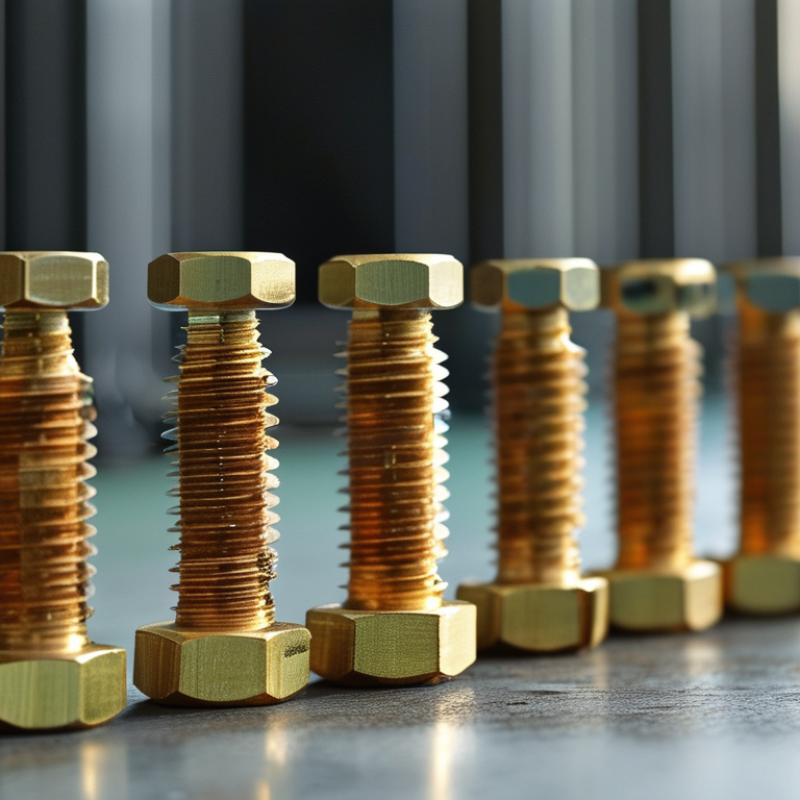
Hexagon bolts are essential in various global industries. Their unique design allows for high torque applications and superior fastening strength. In 2022, the global hexagon bolt market was valued at approximately $30 billion, with a projected growth rate of 4.5% through 2028. This indicates strong demand across sectors like construction, automotive, and machinery production.
China stands out as a leading producer of hexagon bolts. The country's production capabilities account for over 40% of the world’s supply. High-quality materials and advanced manufacturing processes contribute to this dominance. However, challenges exist, such as fluctuating raw material costs and increasing competition. Companies must navigate these factors to maintain market share.
The hexagon bolt market appeals to buyers due to its extensive applications. From infrastructure projects to vehicle assembly, these fasteners are crucial. However, quality inconsistency and compliance issues can arise. Buyers often face difficulties ensuring that their suppliers meet international standards. This can lead to project delays or increased costs. Addressing these concerns is vital for stakeholders in the hexagon bolt supply chain.
: Hexagon bolts are essential in industries like construction, automotive, and machinery production. They provide strong fastening.
The market was valued at about $30 billion in 2022. It is expected to grow at 4.5% by 2028.
China produces over 40% of the world's hexagon bolts. Their manufacturing is advanced and uses high-quality materials.
Fluctuating raw material costs and increasing competition are major challenges. Companies must adapt to maintain their market share.
The International Organization for Standardization (ISO) provides important guidelines. Specifications like ISO 4014 and ISO 4017 outline critical dimensions and mechanical properties.
Common materials include carbon steel and stainless steel. Each has distinct properties like tensile strength and corrosion resistance.
Buyers need to ensure compliance with international standards. Quality inconsistencies can lead to project delays and additional costs.
Hot-dip galvanizing enhances corrosion resistance but can cause uneven coatings. These issues may lead to varied performance.
Buyers should focus on specifications and standards. It's critical to ensure the bolts match the specific applications needed.
Yes, quality inconsistency can be problematic. Buyers often struggle to find suppliers that consistently meet the required standards.
The article "Top Quality Hexagon Bolts for Global Buyers in China" provides a comprehensive overview of hexagon bolts, emphasizing their significance in the global market. It outlines key specifications and industry standards that ensure the quality and reliability of these fasteners. Additionally, the article highlights leading manufacturers in China, known for their commitment to superior production practices and the implementation of rigorous quality control measures.
For global buyers, selecting the right hexagon bolt is crucial. The article offers practical tips for evaluating potential suppliers, focusing on production quality, adherence to standards, and the importance of transparency in the procurement process. By prioritizing these factors, buyers can confidently source high-quality hexagon bolts that meet their project requirements and contribute to overall operational success.

 Dongshuo Fastener