Choosing the right wedge anchor is crucial for the success of construction projects. Wedge anchors are often used in concrete applications where strong fastening is required. According to the American Concrete Institute, proper anchor selection can improve structural integrity by up to 30%.
A well-SPECIFIED wedge anchor can enhance load-bearing capacity and ensure durability. However, many professionals overlook the importance of selecting the correct type. The National Concrete Masonry Association highlights that nearly 40% of construction failures stem from improper anchor use. This statistic calls for an informed approach in choosing these vital components.
Consider factors such as load requirements, concrete thickness, and environmental exposure. Not all wedge anchors perform equally under pressure or in varying conditions. Thus, it’s essential to understand the different materials and designs available. This knowledge can mitigate risks and lead to better project outcomes. Your choice can have profound implications, not only for safety but also for overall project efficiency.
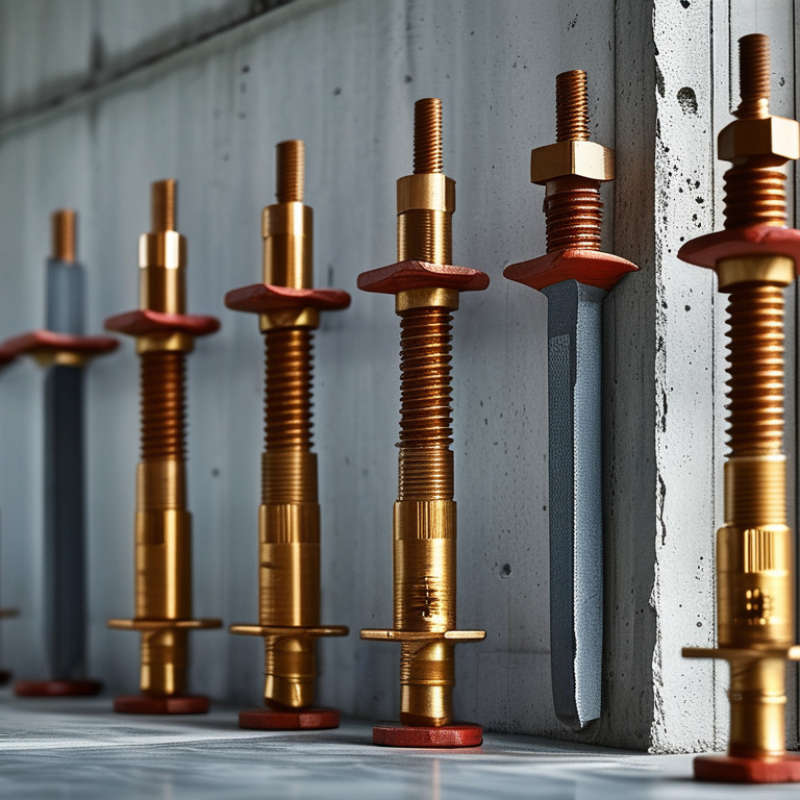
Understanding Wedge Anchors: Types and Materials
Wedge anchors are essential for creating strong attachments in concrete. Understanding their types and materials is crucial for any project. There are various wedge anchor types, each designed for specific applications. The most common types include carbon steel, stainless steel, and galvanized finishes. Each type has its advantages. Carbon steel anchors are cost-effective. However, they may corrode in wet environments.
Stainless steel anchors offer excellent corrosion resistance. They are ideal for outdoor or moist conditions. On the other hand, galvanized anchors provide moderate protection. Although they are more resistant than carbon steel, they are less durable than stainless steel. Selecting the right material involves considering environmental factors. If the location is prone to moisture, stainless steel is often the best choice.
In addition to material, the anchor size is vital. It affects load capacity and installation ease. Ensuring the right length and diameter is essential for secure placement. Many users overlook these details, leading to project failures. Remember, proper installation is critical. It's essential to follow guidelines meticulously for achieving safety and stability.
Factors to Consider When Choosing Wedge Anchors
Choosing the right wedge anchor is crucial for your project’s success. Several factors should guide your selection process. The base material is a primary consideration. Different materials require specific types of anchors for optimal performance. Concrete is a common choice, but the density of the concrete can affect anchor selection.
Another key factor is the load capacity. Determine the weight your anchor will bear. Overestimating or underestimating can lead to failures. Unsuitable anchors may not break under pressure, but they can compromise structural integrity. Always use anchors designed to handle the anticipated load.
Tips: Consider the environment. Outdoor projects may require corrosion-resistant materials. Additionally, check if the installation requires a special tool. Simplicity is critical for your efficiency.
Also, installation depth matters. Verify the recommended embedment depth for full strength. Shallow installation can weaken the anchor's hold. Always refer to manufacturer guidelines for specifics. Sometimes, anchors don't perform as expected. It’s essential to plan carefully. Re-evaluate your choices if you're unsure. Your project's safety depends on it.
Factors to Consider When Choosing Wedge Anchors
This bar chart illustrates the important factors to consider when choosing wedge anchors for a project. The dimensions include material quality, load capacity, corrosion resistance, installation ease, and cost, each rated on a scale of 1 to 10.
Step-by-Step Selection Process for Wedge Anchors
Choosing the right wedge anchor is crucial for a successful project. This process often starts with understanding the load requirements. Evaluate the weight the anchor will support and the type of material it will be installed in. Concrete, for instance, requires a different approach than masonry.
When selecting a wedge anchor, pay attention to the length and diameter. These factors greatly influence strength and stability. An anchor that is too short may not provide enough grip, while one that is too long can lead to installation challenges.
It may also help to consider environmental factors. Certain anchors perform better in specific conditions, like moisture or extreme temperatures. Always remember, though, that the installation process must be precise. Misalignment during installation can compromise the anchor's effectiveness.
Reflect on your choices and be open to adjustments. Testing the installed anchor can give clarity on its reliability. This step may feel tedious but is essential for long-term success.
Installation Guidelines for Wedge Anchors
Wedge anchors are crucial for securing heavy objects in concrete. Proper installation ensures safety and stability. Before starting, it’s vital to select the right diameter and length of the anchor based on the application. Drill a hole that matches the anchor’s specifications, ensuring the depth is adequate for a secure fit. A common mistake is underestimating the depth; this could lead to failure.
When inserting the wedge anchor, tap it lightly with a hammer. Ensure it’s flush with the surface to prevent any structural issues. After installation, it’s essential to test the anchor's integrity. This can involve applying a gradual force to ensure it holds firm. Remember, different projects may require distinct approaches. Reflecting on previous installations can improve your technique.
Environmental factors may affect anchor performance too. For instance, moisture can cause corrosion in some materials. Always consider the surrounding conditions when choosing your anchors. Adjusting your approach based on past experiences can enhance your project's overall quality. Over time, learning from mistakes is key to mastering anchor installation.
Common Applications and Usage Tips for Wedge Anchors
Wedge anchors are vital in construction and renovation projects. They provide strong anchoring capabilities for various materials, especially in concrete. Common applications include securing outdoor structures, machinery, and even bolting down heavy equipment in industrial settings. According to the Concrete Reinforcing Steel Institute, proper anchor selection can enhance load resistance by up to 30%.
When using wedge anchors, it's important to follow best practices. Ensure that the diameter of the anchor matches the size of the hole you drill. A snug fit leads to optimal performance. Use a hammer drill to create holes, which significantly increases efficiency. Always select an anchor size that suits the load requirements and consider the thickness of the material being anchored.
Installing wedge anchors can lead to mistakes. Operators may overlook the correct embedment depth, leading to inadequate support. Regularly checking the manufacturer’s specifications is crucial for maintaining safety and effectiveness. In high-stress applications, it's wise to opt for corrosion-resistant materials. This ensures longevity and durability, especially in outdoor conditions where moisture levels fluctuate.
How to Choose the Right Wedge Anchor for Your Project? - Common Applications and Usage Tips for Wedge Anchors
| Anchor Size |
Minimum Embedment Depth (inches) |
Load Capacity (lbs) |
Common Applications |
Installation Tips |
| 1/4 inch |
1.25 |
750 |
Light fixtures, signage |
Ensure proper hole size; clean debris from hole |
| 3/8 inch |
1.5 |
1,500 |
Medium-duty shelving, equipment |
Use a hammer to ensure anchor is flush |
| 1/2 inch |
2 |
2,800 |
Heavy-duty machinery, structural support |
Do not over-torque the nut; check alignment |
| 5/8 inch |
2.5 |
3,600 |
Heavy structural applications, concrete barriers |
Ensure thorough drilling; avoid dust accumulation |
| 3/4 inch |
3 |
5,600 |
Support structures, heavy equipment |
Consider load distribution; check for cracks in concrete |
Conclusion
Wedge anchors are essential fasteners used in various construction applications, designed to provide robust support and stability when securing heavy objects to concrete surfaces. When selecting the right wedge anchor for your project, it's crucial to understand the different types and materials available, as these factors can significantly impact performance and suitability based on environmental conditions.
The selection process should include evaluating load requirements, anchor length, and corrosion resistance. Once the appropriate wedge anchor is identified, proper installation is vital to ensure maximum strength and reliability. Understanding common applications and following usage tips will further enhance the effectiveness of wedge anchors in projects ranging from mounting equipment to securing structures, making them a versatile choice for any construction task.

 Dongshuo Fastener