Choosing the right Screw In Thread for your project can be challenging. According to John Smith, a renowned expert in fastening technologies, "The right thread can make or break your assembly." This emphasizes the importance of understanding different types of threads and their applications.
Many factors influence the choice of Screw In Thread. Material compatibility is crucial. For instance, a metal application may require a different thread than plastic. You must consider factors like load capacity and environmental conditions. Ignoring these aspects can lead to failures.
A broader range of options exists than most realize. Some choices might seem straightforward. Yet, small details can lead to significant issues. Be ready to reflect on your choices. Industry standards are evolving. Keeping up with innovations in screw design can help you make informed decisions. Remember, a well-placed Screw In Thread ensures reliability in your final product.
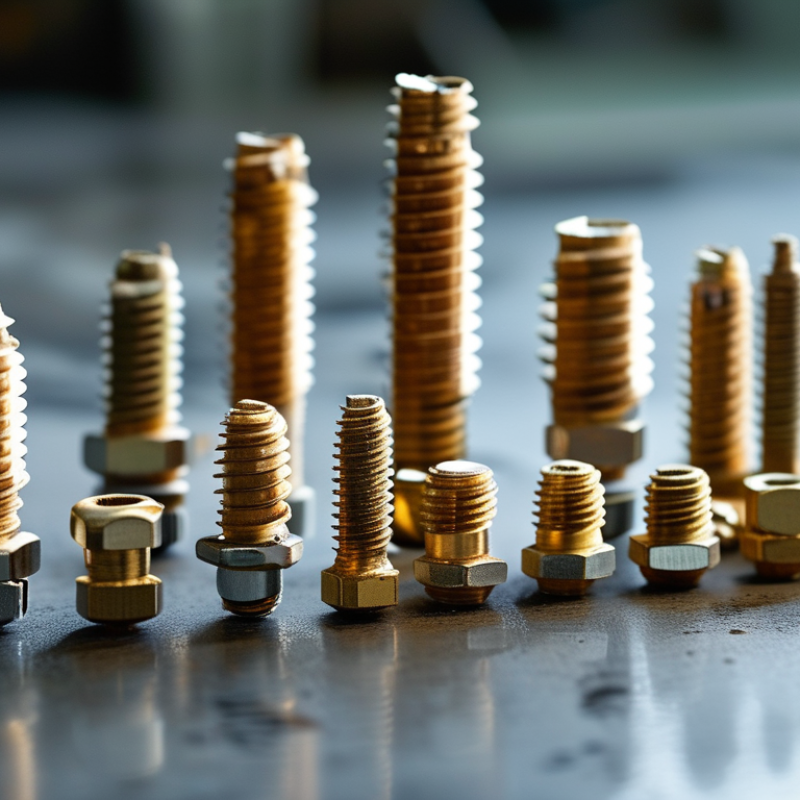
When selecting screw threads for your project, understanding their types is crucial. Common thread types include coarse, fine, and extra fine. Coarse threads have larger pitch distances. They excel in materials where strength is essential, like wood. Fine threads, with smaller pitch distances, allow for more precise adjustments. They're ideal for metal applications, providing better tension.
Each thread type benefits specific scenarios. Coarse threads resist stripping in softer materials. Fine threads offer better load stability. However, finer threads can be more challenging to install. Ensuring compatibility with your materials requires careful consideration. Sometimes, a mix of thread types can enhance the overall strength of a project. Don't overlook the additional complexities associated with different thread forms, such as metric versus imperial systems.
Choosing the right screw thread can feel overwhelming. Experimentation may lead you to discover what works best for your needs. The right choice impacts durability and can save future headaches. Conducting tests with various threads can be enlightening. Be open to revisiting your choices as new challenges arise in your projects. Embrace the learning process, and your skills will improve over time.
Choosing the right screw thread is crucial for any project. The right thread ensures durability and performance. Consider the purpose of your project. Are you working with metal, wood, or plastic? Each material requires different thread types.
Tip: Always match the screw thread to the material for optimal performance.
Thread pitch is another vital factor. Coarse threads are better for soft materials, while fine threads work well with harder materials. Evaluate the load your project will bear. High-load applications need strong threads to prevent stripping.
Tip: Test different threads on scrap material before finalizing your choice.
Don't forget about environmental conditions. Will your project face moisture or chemicals? Some threads offer corrosion resistance. Look into coatings if necessary. Reflect on the specific needs of your project for the best results.
Choosing the right materials and coatings for screw threads is crucial for your project’s success. The right choices enhance durability and performance. According to industry reports, stainless steel is preferred for its corrosion resistance, especially in outdoor applications. It accounts for over 60% of the market share in fasteners, proving its reliability in harsh environments.
When selecting coatings, consider factors like friction reduction and environmental exposure. Zinc plating offers protection against rust, though it may wear off over time. In contrast, a ceramic-based coating provides superior longevity and durability, especially in high-wear situations. These coatings can extend thread life by up to 50%, making them a worthwhile investment.
**Tip:** Always match the screw thread material to the base material. Mismatched materials can lead to failure.
Keep in mind that not all projects require high-performance coatings. For simpler tasks, a standard finish might suffice. Assess the specific needs of your application before making a decision. Small choices can significantly impact the overall outcome, so be thoughtful in your approach. Therefore, carefully weigh each option according to your project requirements.
Choosing the right screw-in thread for your project is crucial. Compatibility and strength are key factors that impact the performance and durability of your construction. According to an industry report by the American Society for Testing and Materials (ASTM), improper threading can lead to connections failing under pressure. It's vital to select the correct thread type to ensure safety and longevity.
Different materials require specific thread types for optimal grip. For instance, wood demands coarse threads to prevent stripping, while metals often use finer threads for better tension. This specificity makes compatibility with your project’s material a top priority. If the wrong thread is used, it can result in unsatisfactory outcomes, compromising the entire structure.
Tip: Always check the tensile strength rating of the screws you intend to use. A mismatch can lead to catastrophic failure, especially in load-bearing applications.
Tip: When in doubt, consult technical datasheets or seek advice from professionals in the field. Their experience can guide you in making informed decisions.
Analyses show that about 30% of construction failures result from improper material selection. This data underscores the importance of careful planning and execution in your projects. Choosing the right screw in thread is not just a detail; it is foundational to project integrity.
Choosing the right screw thread for your project can be challenging. Many people make common mistakes that can lead to poor performance. One frequent error is not understanding the application requirements. Each project may have different torque, load, and environmental factors. Not considering these variables can result in using an inappropriate thread type.
Another common mistake is overlooking the material compatibility. Some screws work better with specific materials. For example, using steel screws in aluminum can lead to galvanic corrosion. It's essential to ensure that the screw material is suited for its intended application. Never underestimate the impact of the environment on screw performance.
Finally, many forget to assess the thread pitch. A finer pitch may provide better precision but can be weaker under heavy loads. Conversely, thicker threads are robust but may not align properly in tight spaces. Each choice has its pros and cons, requiring careful thought. Reflecting on these aspects can improve your decision-making process, ensuring a reliable outcome for your project.
: The right screw thread ensures durability and performance in your project.
Match the screw thread type to the material—metal, wood, or plastic— for optimal results.
Thread pitch affects load-bearing capacity; coarse threads suit soft materials, while fine threads work for harder ones.
Test different threads on scrap materials to see which performs best for your specific needs.
Consider moisture and chemical exposure, as some threads offer better corrosion resistance than others.
Coatings can enhance durability. Zinc plating protects against rust, while ceramic coatings provide extended life.
Don't ignore application requirements, material compatibility, and thread pitch when making your choice.
Mismatched materials can lead to failures, like galvanic corrosion, especially with metals like steel and aluminum.
Yes, assess project needs; sometimes, a standard finish suffices for less demanding applications.
Carefully weigh each option based on specific needs—small decisions can significantly impact performance.
When embarking on a project that requires the use of screw in thread, understanding the various types and their specific applications is crucial. Different screw threads possess unique characteristics that cater to diverse needs, making it essential to evaluate factors such as load capacity, material compatibility, and environmental conditions. By considering these elements, you can ensure that your selected screw in thread not only fits perfectly but also maintains the strength required for your project.
Additionally, the choice of materials and coatings can significantly impact the performance of screw threads. It's vital to select options that resist corrosion and wear, enhancing their longevity. Avoiding common pitfalls, such as mismatched thread types or incorrect sizing, can help streamline your projects and improve overall results. By prioritizing these aspects, you can confidently choose the right screw in thread for any application.

Dongshuo Fastener