Choosing the right screw and washer for your project is crucial. The selection impacts durability and safety. Screws come in various types, sizes, and materials. Each design serves a specific function. Washers, too, play a vital role in distributing loads and reducing friction.
Understanding screw and washer compatibility is essential. An incorrect match could lead to failures. For instance, using a soft washer with a hard screw can cause stripping. Additionally, consider the environmental conditions. Moisture or chemicals may require corrosion-resistant options.
Your project’s specific requirements dictate the best choice. Experimentation can be enlightening, but it is also risky. Trusting established guidelines often leads to better results. However, personal experience matters. Reflecting on past mistakes can enhance your decision-making abilities. Choosing wisely ensures your project is successful and stands the test of time.
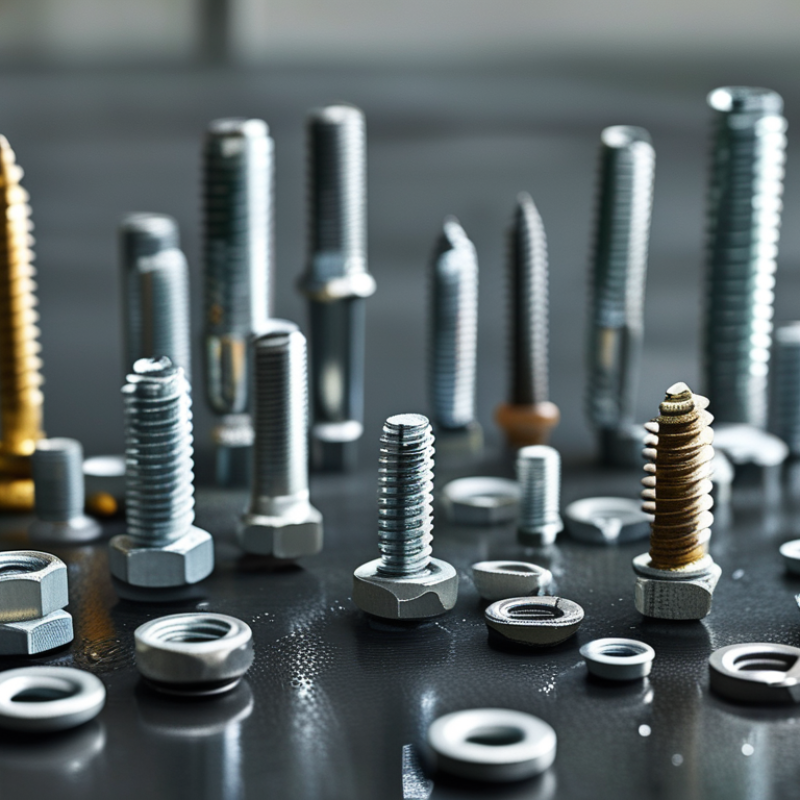
Choosing the Right Material for Screws: An Industry Overview
Choosing the right materials for screws is crucial for the success of any project. Different materials impact performance, durability, and cost. According to a report by the Fastener Quality Act, over 60% of fastener failures occur due to material issues. Stainless steel is popular due to its corrosion resistance, making it ideal for outdoor applications. However, it's essential to consider environmental factors like humidity and exposure to chemicals.
Tips: Always check for galvanization. It can enhance corrosion resistance. Zinc-plated screws are a budget-friendly option for many applications.
Carbon steel screws are more economical but lack the lifespan of stainless steel. They are often used in temporary applications. A troubling finding is that many projects overlook proper material selection, leading to higher long-term costs. Durable options may seem expensive upfront, but they save money over time by reducing replacements.
In specialized industries, such as aerospace and automotive, compliance with material standards is vital. The specifications often dictate which materials can be used. For instance, high-strength alloys are critical for structural integrity. Using the wrong materials could jeopardize safety and project success. Always evaluate the environmental requirements before making a final decision.
2026 How to Choose the Right Screw and Washer for Your Project?
| Screw Type |
Material |
Coating |
Common Uses |
Washer Type |
Washer Material |
| Wood Screw |
Steel |
Zinc Plated |
Woodworking |
Flat Washer |
Stainless Steel |
| Machine Screw |
Brass |
Nickel Plated |
Machinery |
Lock Washer |
Carbon Steel |
| Lag Screw |
Galvanized Steel |
Hot-Dip Galvanized |
Decking, Heavy Duty |
Sealing Washer |
Rubber |
| Self-Tapping Screw |
Stainless Steel |
Coated |
Sheet Metal |
Fender Washer |
Aluminum |
Understanding Screw Types: Machine, Self-Tapping, and Wood Screws
When it comes to selecting screws for your project, understanding the various types is key. Machine screws, self-tapping screws, and wood screws serve different purposes and materials. According to a report by the Fastener Industry Coalition, machine screws are essential in fastening metal components and are commonly used in construction and automotive applications. These screws are designed for paired use with a nut or a threaded hole, delivering robust joint integrity.
Self-tapping screws, meanwhile, hold the advantage of creating their own threads in materials. A study by the Industrial Fasteners Institute indicates that these screws are effective in plastics and thin metals, simplifying assembly and reducing labor costs. Their efficiency is evident; they can save up to 50% in time compared to traditional fastening methods. However, incorrect usage can lead to stripped threads and compromised connections.
Wood screws, designed specifically for wood, have coarse threads and pointed ends to facilitate easy driving and better grip. Data from Woodworking Network shows that using the right wood screw can minimize splitting, enhancing the durability of wooden structures. Yet, over-tightening these screws may cause fractures in the wood, requiring careful consideration in application. Each type of screw has its advantages and limitations, making informed choices crucial in achieving optimal results for your project.
Selecting Washers: Functions and Their Importance in Fastening
When selecting washers for a project, consider their functions and materials. Washers may distribute load, reduce friction, or prevent loosening. They come in various types, like flat, lock, and fender washers. Each type serves a unique purpose. Flat washers help distribute weight evenly. Lock washers ensure that screws stay tight under vibrations.
Material choice is crucial. Steel, aluminum, and plastic offer different properties. Steel washers are strong and durable, while plastic ones resist corrosion. An unsuitable washer can lead to failure, causing delays and added costs. It’s essential to reflect on the specific demands of your project.
Detailing your needs will help in making the right choice. Assess the environment where the fasteners will be used. Humidity and exposure can impact durability. Sometimes, the simplest solution isn’t the best one. A common mistake is overlooking the washer’s compatibility with screws. This can lead to significant issues down the line. Each decision shapes the success of your project. Make choices that reflect thoughtful consideration.
Load Capacity and Strength: How to Assess Your Project Needs
When embarking on a project, assessing load capacity and strength is crucial. Consider the materials you are working with. Softwood and hardwood have different load-bearing characteristics. The type of screw and washer chosen must align with these materials. For instance, wood screws play a vital role in wooden projects. They come in various lengths and diameters. Ensure the chosen screws have the strength to support the intended load.
Consult engineering tables to gain insights into load capacity. These resources provide specific data on maximum load limits for screws and washers based on material type. It's essential to factor in safety margins. Some might underestimate the forces at play in their projects. Choosing an undersized screw can lead to failure. Always choose a size that exceeds your calculated requirements.
Pay attention to washer material as well. Steel washers can distribute load evenly, reducing the risk of damage to surfaces. However, sometimes, rubber washers are a better choice for vibration absorption. Always reflect on your choices. Each project offers learning opportunities for improvement. The right combination of screws and washers will ultimately determine the success of your build.
Corrosion Resistance: Materials and Coatings for Longevity
When selecting screws and washers, corrosion resistance is a critical factor. The longevity of your project can depend heavily on the materials and coatings used. According to industry reports, approximately 30% of structural failures are related to corrosion issues. Understanding the environments your project faces can help you make informed choices.
For outdoor applications, stainless steel often provides superior resistance to rust. However, it is not entirely immune. Consider using screws with additional coatings, such as zinc plating or galvanization, for enhanced protection against the elements. These coatings can significantly extend the lifespan of your fasteners, sometimes by over 50%.
Tip: Always match the screw material to your project's specific conditions. If you anticipate exposure to saltwater, stainless steel alone might not suffice. In such cases, look for screws with specialized coatings suited for marine environments.
Different materials have unique benefits and downsides. While aluminum is lightweight and resistant to corrosion, it may not be as strong as steel. This creates a dilemma in design choices. Balancing weight and strength is often necessary for optimal results.
Tip: Consider the environmental impact of your materials. Using recycled or eco-friendly options can contribute to sustainability, but it may affect performance and cost. Always weigh these factors carefully.
FAQS
: The main types include machine screws, self-tapping screws, and wood screws.
They are designed to fasten metal components and are used with nuts or threaded holes.
They create their own threads in materials, making assembly easier and faster.
Incorrect usage can lead to stripped threads and weak connections.
Wood screws have coarse threads and pointed ends for easy driving into wood.
Over-tightening can cause fractures in the wood, affecting the structure's integrity.
Corrosion can lead to structural failures, impacting project longevity and safety.
Stainless steel is ideal, but additional coatings can enhance protection from rust.
Consider the project's environment, weight, strength, and sustainability factors.
They can support sustainability but may compromise performance and increase costs.
Conclusion
In the process of selecting the right screw and washer for your project, it is crucial to understand the various materials available for screws, which can significantly affect their application. Whether opting for machine screws, self-tapping screws, or wood screws, each type serves specific purposes and comes with distinct advantages. Efficacious fastening also hinges on the selection of washers, which not only distribute load but also provide essential protection against wear and corrosion.
Additionally, assessing the load capacity and strength requirements of your project is vital to ensure the chosen screw and washer can withstand the intended forces. Corrosion resistance is another important factor, as the longevity of these fasteners often depends on the materials and coatings used. By taking these aspects into account, you can confidently choose the right screw and washer that will enhance the durability and effectiveness of your project.

 Dongshuo Fastener