Choosing the right Screw And Bolt supplier in 2026 requires more than comparing price lists. A reliable supplier should provide consistent dimensions, verified materials, clear documentation, and responsive technical support. These details matter when a fastener must hold a steel frame, protect a machine joint, or survive repeated vibration. A polished website is not enough. Request material certificates, dimensional inspection reports, coating details, and traceability records before approving a supplier.
Experience also reveals problems that catalogs often hide. A supplier may offer attractive samples but struggle with large production batches. Another may promise fast delivery while lacking stable raw-material planning. Ask how orders are inspected, packed, labeled, and stored. Check whether production equipment is regularly calibrated. Independent audits, recognized quality systems, and documented testing can strengthen confidence, but they should support practical verification rather than replace it.
Small details expose reliability.
Consider thread accuracy, surface damage, packaging moisture, and mixed batch labels. Speak with engineers, purchasing teams, and existing customers when possible. Their experiences can show how a supplier handles delayed shipments, rejected samples, or changing specifications. Still, no checklist is perfect. Even experienced buyers can overlook corrosion conditions or installation torque. The best decision combines technical evidence, supplier communication, total cost, and realistic risk assessment. This guide explains the questions, tests, and warning signs that can help companies select dependable Screw And Bolt suppliers for 2026.
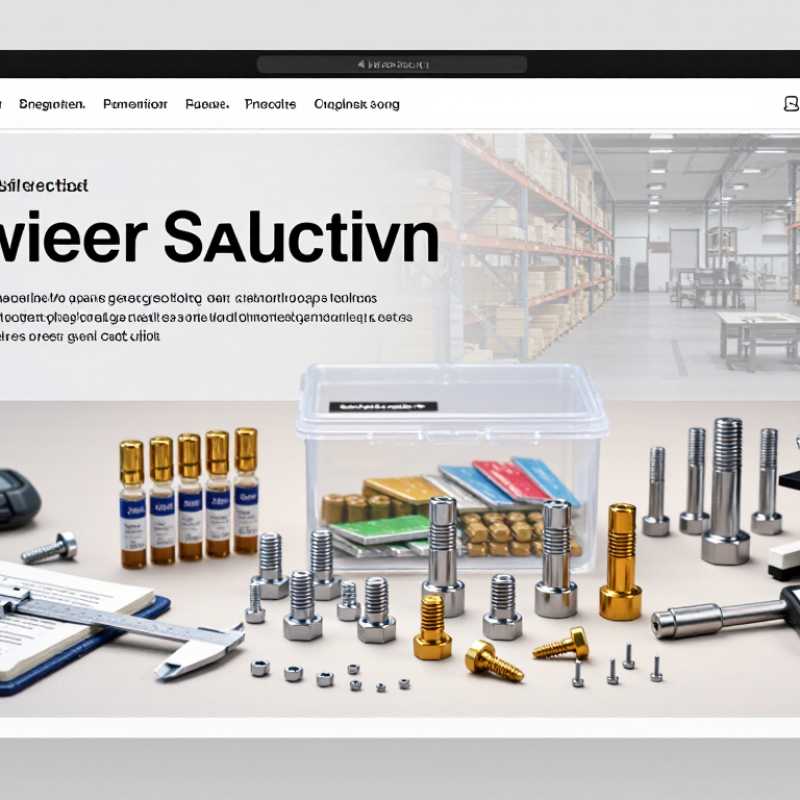
Define 2026 Fastener Needs by Size, Grade, Standard, and Annual Volume
How to Choose Screw and Bolt Suppliers in 2026?
Define 2026 Fastener Needs by Size, Grade, Standard, and Annual Volume
Choosing screw and bolt suppliers in 2026 starts with a precise fastener brief, not a broad product request. Record diameter, length, thread pitch, head style, drive type, and required quantity. A six-millimeter screw can still fail when pitch or engagement is wrong. Define material and grade for each application. Carbon steel, stainless steel, and alloy steel behave differently under load, heat, and moisture. Include coating needs, but verify compatibility with the mating material. Procurement reviews often find one missing detail: installation torque. It matters.
State the required standard and inspection level before requesting quotations. Standards may govern dimensions, mechanical performance, threads, or testing. Do not accept “equivalent” without a written comparison. Ask suppliers for certificates, batch traceability, dimensional reports, and sample approvals. Set annual volume using realistic demand, not optimistic forecasts. Separate monthly usage from peak project demand. A supplier may offer a lower price at 100,000 pieces, yet storage and cash costs can erase the gain. This is easy to overlook. Recheck it.
Tips: Send a drawing and a one-page specification sheet. Request samples from the intended production route. Test thread fit with actual nuts or tapped holes. Check hardness, coating thickness, torque, and corrosion resistance where relevant. Ask about minimum order quantities, lead times, packaging, and change-notification procedures. Keep a small allowance for defects and urgent replacements. It is not waste. Review supplier answers with an engineer, not price alone.
How to Choose Screw and Bolt Suppliers in 2026?
Define fastener requirements by grade, standard, and mechanical performance before comparing suppliers.
Grade
ISO 898-1 property classes 8.8, 10.9, and 12.9 provide progressively higher minimum tensile strength.
Standard
Confirm whether the supplier can provide the required ISO, ASTM, or SAE standard, including test certificates and traceability.
Size and Volume
Specify diameter, thread pitch, length, coating, packaging, and expected annual volume before requesting quotations.
Mechanical values shown are minimum tensile-strength references for common ISO 898-1 carbon-steel property classes. Always verify the applicable standard edition, diameter range, thread type, coating, and inspection requirements.
Verify ISO 898-1 Class 8.8 Bolts: 800 MPa Tensile, 640 MPa Yield
How to Choose Screw and Bolt Suppliers in 2026?
When evaluating a bolt supplier, request evidence for ISO 898-1 property class 8.8. This class is commonly associated with 800 MPa nominal tensile strength and a 640 MPa nominal yield level. These figures require careful interpretation. Diameter, heat treatment, and the applicable ISO table can affect minimum values.
Ask for a lot-specific mill certificate and independent test report. The documents should identify the material grade, heat number, production lot, and test method. Compare the report with the bolt head marking, thread size, and packaging label. A tensile test should confirm strength, while hardness and proof-load tests provide additional evidence. Do not accept a generic certificate. It may describe another shipment.
Supplier experience matters on the factory floor. During an audit, inspect furnace records, calibration labels, sampling plans, and storage conditions. Rust on threads is a warning sign. So is mixed hardware in one carton. Reliable suppliers explain nonconforming-product controls without hesitation. Still, I would not rely on documents alone; sampling a delivered lot can reveal coating damage, thread defects, or inconsistent hardness. Verify the stated 640 MPa value against the correct diameter range, because one number may not represent every 8.8 bolt. That small detail is often overlooked.
Compare Supplier Quality Systems: ISO 9001, IATF 16949, and PPAP
Choosing screw and bolt suppliers in 2026 requires more than comparing prices. Their quality system shows how defects are prevented, recorded, and corrected. ISO 9001 provides a broad framework for controlled processes, document management, internal audits, and customer feedback. It fits many industries, but its scope may not cover automotive production depth. A certificate is only a starting point.
IATF 16949 adds automotive-specific controls for traceability, risk analysis, measurement systems, and special processes. If fasteners enter safety-related assemblies, request process flows, control plans, gauge studies, and nonconformance records. PPAP is not a certification. It is a submission package proving that a defined process can produce approved parts consistently. Review dimensional reports, material certificates, capability data, samples, and change approvals. Ask whether the PPAP level matches the actual risk.
During supplier audits, inspect bins for mixed lots, damaged labels, and unclear identification. Small details matter. Check torque testing, thread gauges, coating records, and lot traceability. I once focused too heavily on an ISO certificate and missed weak reaction plans for thread defects. That mistake changed my checklist. Now I compare audit findings, corrective-action closure, and response time. Require recent production records, not prepared examples. Do not assume IATF guarantees perfect bolts; human inspection and process discipline still matter. Look closely. A supplier admitting a process gap may be more reliable than one offering flawless paperwork.
Assess Material Compliance with RoHS, REACH, ASTM, DIN, and ISO Standards
How to Choose Screw and Bolt Suppliers in 2026?
Material compliance should be checked before comparing prices. A low quotation means little if the supplier cannot prove what enters the steel.
Ask for current RoHS declarations and REACH information. RoHS addresses restricted substances in applicable products. REACH may require communication about substances of very high concern. Do not accept a generic certificate without checking its product scope, issue date, and supplier details.
Look for ASTM, DIN, or ISO references that match your drawing and application. These standards can define dimensions, mechanical properties, testing methods, or material grades. They are not interchangeable labels. A DIN fastener is not automatically equivalent to an ASTM specification. Request mill certificates, heat numbers, test reports, and batch traceability. The heat number should connect the finished bolts to the original material record.
Ask how the supplier controls plating, hardness, tensile strength, and lot inspection. In practical audits, missing records often reveal more than polished presentations. Sample several cartons, then compare markings, thread quality, and surface condition with the documents. Small discrepancies matter.
Be careful here.
A supplier may provide a valid report for one batch, not every shipment. Confirm whether testing is routine, independent, or only performed after a problem. I have seen specifications copied incorrectly between drawings, so an engineer should review the exact grade and coating requirements. Keep written approval for substitutions, because an apparently similar screw can fail under vibration, heat, or corrosion.
Evaluate Total Cost Using MOQ, Lead Time, Testing, Warranty, and Delivery Data
How to Choose Screw and Bolt Suppliers in 2026?
A low unit price can hide expensive interruptions. Evaluate total cost through MOQ, lead time, testing, warranty, and delivery records. McKinsey’s 2022 global supply chain survey found that 92% of companies invested in resilience measures. That finding supports a practical rule: supplier stability deserves a measurable price.
Start with MOQ and production usage. A 10,000-piece MOQ may reduce price, but it can trap cash and create storage costs. Compare the quoted price with inspection, inventory, financing, and scrap expenses. Request twelve months of delivery data, not promises. Measure average lead time, variation, late shipments, and emergency freight. UNCTAD reports that maritime transport carries over 80% of global trade by volume. Port delays can therefore affect even well-managed fastener programs. Ask for shipment tracking and documented escalation procedures.
Tips: Build a simple supplier scorecard. Assign costs to late delivery, failed tests, and warranty claims. Require material certificates, dimensional reports, coating checks, and batch traceability. Warranty terms should define coverage, response time, and replacement responsibility. I would not treat a perfect sample as proof of stable production. That is a common mistake. Review several batches instead. Also, avoid accepting “standard lead time” without a written production calendar. World Bank’s 2023 Logistics Performance Index shows that supply-chain predictability differs significantly across markets. Test the promise before scaling the order.
How to Choose Screw and Bolt Suppliers in 2026? - Evaluate Total Cost Using MOQ, Lead Time, Testing, Warranty, and Delivery Data
Anonymous supplier profiles are compared using a common annual demand of 12,000 pieces. Total cost includes purchase price, freight, testing, incoming inspection, estimated quality loss, and inventory carrying cost.
Planning benchmark for standard carbon-steel bolts with zinc-based corrosion protection; prices are shown in USD and should be confirmed against current quotations and specifications.
| Supplier Profile |
MOQ
(pieces) |
Unit Price
(USD) |
Typical Lead Time
(calendar days) |
Testing and Documentation |
Warranty |
Freight per Shipment
(USD) |
On-Time Delivery
(12-month record) |
Estimated Defect Rate |
Planned Purchase Quantity
(pieces/year) |
Estimated Annual Total Cost
(USD) |
Effective Cost per Used Piece
(USD) |
Supply Risk |
| Profile A |
500 |
$0.118 |
12 |
Dimensional inspection, coating thickness report, batch certificate |
24 months |
$95 |
96% |
1.8% |
12,000 |
$4,129 |
$0.344 |
Low |
| Profile B |
1,000 |
$0.105 |
18 |
Dimensional inspection, tensile sampling, material certificate |
12 months |
$130 |
93% |
1.2% |
12,000 |
$3,003 |
$0.250 |
Low |
| Profile C |
3,000 |
$0.094 |
28 |
Dimensional inspection, tensile and hardness tests, coating report, batch traceability |
24 months |
$250 |
90% |
0.8% |
12,000 |
$2,330 |
$0.194 |
Medium |
| Profile D |
5,000 |
$0.087 |
40 |
Dimensional inspection, tensile and hardness tests, salt-spray test, full material report |
12 months |
$420 |
86% |
0.6% |
12,000 |
$2,542 |
$0.212 |
Medium |
| Profile E |
10,000 |
$0.081 |
55 |
Dimensional inspection, mechanical testing, salt-spray test, third-party inspection available |
6 months |
$780 |
78% |
0.5% |
20,000 |
$3,611 |
$0.301 |
High |
Calculation notes:
Annual total cost is a scenario-based estimate using 12,000 pieces of annual demand, the stated MOQ as the standard order quantity, actual shipment count rounded up to whole shipments, quality-loss allowance based on the estimated defect rate, and an indicative 18% annual inventory-carrying rate. Testing references commonly used fastener controls such as dimensional verification, mechanical-property testing, coating documentation, batch traceability, and salt-spray testing. Confirm applicable requirements against the purchase drawing, ISO 898-1, ISO 4042, ISO 9227, and the supplier's current quality agreement before placing an order.
Conclusion
Choosing the right Screw And Bolt suppliers in 2026 requires a structured evaluation of both technical capability and commercial reliability. Begin by defining your requirements for dimensions, thread type, material grade, applicable standards, surface treatment, and expected annual volume. For high-strength applications, verify that Class 8.8 bolts meet ISO 898-1 requirements, including a minimum tensile strength of 800 MPa and yield strength of 640 MPa. Clear specifications help prevent quality problems and ensure consistent purchasing.
Supplier quality systems should also be reviewed carefully. ISO 9001, IATF 16949, and PPAP experience can indicate effective process control, traceability, and production approval practices. Confirm material and product compliance with RoHS, REACH, ASTM, DIN, and ISO requirements when applicable. Finally, compare total cost rather than unit price alone by considering minimum order quantities, lead times, inspection and testing fees, warranty terms, packaging, and delivery performance. A supplier that combines verified quality, reliable documentation, stable capacity, and transparent costs can provide stronger long-term value.

 Dongshuo Fastener