In the construction and manufacturing industries, the choice of fasteners plays a crucial role in project success. Hex bolts, known for their versatility and strength, are often a top choice. According to a report by the Global Fastener Industry Association, hex bolts account for over 30% of fastener sales worldwide. This statistic highlights their popularity and reliability in various applications.
Industry expert Dr. Emily Thompson, a noted authority on fastening solutions, states, "Hex bolts are essential for projects requiring durability and strength." Her insights reflect the growing demand for high-quality fasteners as industries seek to enhance overall safety and performance. The robust design of hex bolts allows them to withstand significant loads, making them ideal for critical applications.
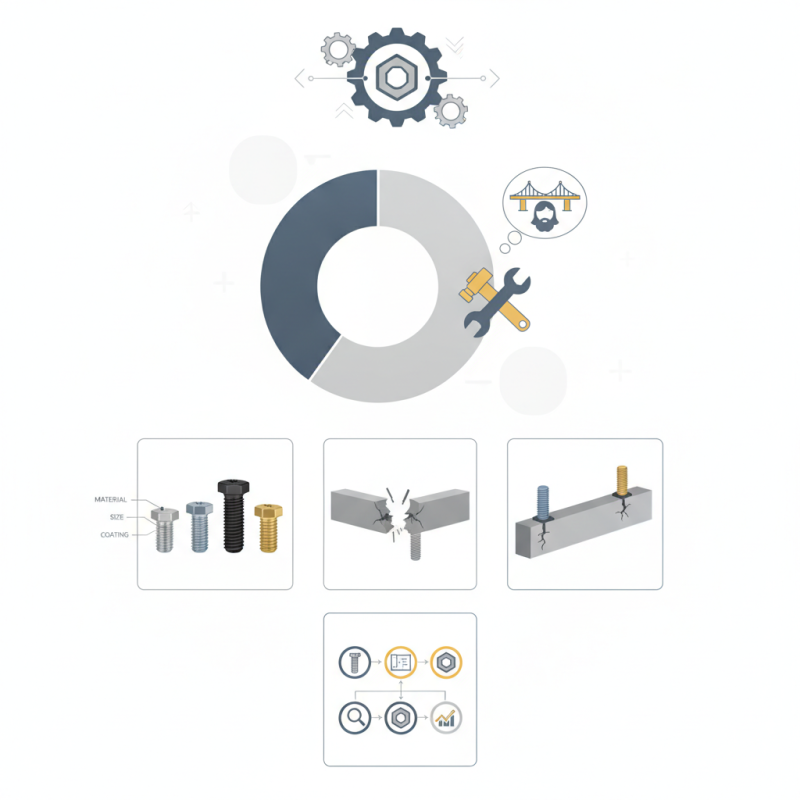
However, the selection process for hex bolts can be complex. Not all hex bolts are created equal. Factors such as material, size, and coating affect performance. Understanding these variables is crucial for achieving long-lasting results. Projects may sometimes face challenges due to improper bolt selection. This underscores the need for careful planning and research before making a decision.
Advantages of Using Hex Bolts in Construction Projects
Hex bolts are an essential component in construction projects. Their design features a hexagonal head, making them easy to tighten with standard tools. This shapes their popularity in various applications, including machinery and structural frameworks. With a strong grip and excellent tensile strength, hex bolts can withstand heavy loads and harsh environments.
Using hex bolts can lead to improved project efficiency. They are available in different materials, allowing for specific selections based on environmental conditions. For instance, stainless steel hex bolts resist corrosion, crucial in outdoor settings. These bolts are also easy to inspect and replace. However, it's essential to ensure they are not over-tightened, as this can lead to material fatigue over time.
While hex bolts offer many benefits, challenges remain. The installation requires accurate torque settings to ensure reliability. A poorly installed bolt can compromise structural integrity. Proper training and tooling are vital to minimize risks during installation. Therefore, careful planning must accompany hex bolt usage to avoid potential setbacks.
Materials and Durability Considerations for Hex Bolts
When selecting hex bolts for a project, materials and durability are critical factors. Common materials include carbon steel, stainless steel, and alloy steel. Carbon steel offers good tensile strength but may rust if not coated. In contrast, stainless steel offers excellent corrosion resistance, making it suitable for outdoor applications.
A study by the Fastener Manufacturers Association highlights that using corrosion-resistant materials can extend the lifespan of fasteners by up to 50% in harsh environments.
Durability also depends on the manufacturing process and bolt grade. Higher grade bolts, like Grade 8, have superior tensile strength and are useful for heavy-load applications. Reports have shown that using properly graded bolts reduces failure rates significantly. However, projects often overlook the importance of matching bolt type with the intended application. This mismatch can lead to mechanical failures, even with high-quality materials.
Moreover, regular inspections are necessary to ensure performance. Fatigue from vibrations or environmental conditions can weaken bolts over time. Research indicates that preemptive replacement of worn bolts can prevent costly accidents. Engaging with materials science research can provide insights into better choices for your project's specific needs.
Hex Bolt Sizes and Specifications for Various Applications
When selecting hex bolts for your projects, understanding sizes and specifications is crucial. Hex bolts come in various diameters, lengths, and grades. According to a 2022 industry report, the most commonly used hex bolt sizes range from 1/4 inch to 1 inch in diameter. The length typically varies from 1 inch to 12 inches or more. These dimensions cater to a wide range of applications, including construction, automotive, and machinery.
Grade classification impacts strength and application. For example, Grade 2 bolts are suitable for light-duty applications, while Grade 8 bolts are used in more demanding conditions. Research shows that improper selection of bolt grades can lead to failures in critical applications, highlighting the importance of making informed choices. Additionally, the finish of the bolt, such as zinc plating or black oxide, can affect its corrosion resistance.
Specifying the right hex bolt can reduce maintenance costs and enhance safety. Some projects require specific lengths for proper torque. A common oversight is underestimating the need for the right torque specifications. Reaching recommended torque can prevent bolt loosening. Regular assessments and adjustments may be necessary to maintain integrity in high-stress environments. Therefore, understanding hex bolt sizes and specifications is not just a detail; it is a project necessity.
Why Choose Hex Bolt for Your Next Project Needs? - Hex Bolt Sizes and Specifications for Various Applications
| Size (Diameter x Length) |
Material |
Strength Grade |
Thread Type |
Common Applications |
| 5/16" x 1" |
Carbon Steel |
Grade 2 |
UNC |
Furniture Assembly |
| 3/8" x 2" |
Stainless Steel |
Grade 18-8 |
UNC |
Outdoor Structures |
| 1/2" x 4" |
Alloy Steel |
Grade 8 |
UNC |
Heavy Machinery |
| 5/16" x 3" |
Brass |
N/A |
UNC |
Electrical Applications |
| 1/4" x 1-1/2" |
HT Steel |
Grade 5 |
UNC |
Automotive Parts |
Installation Techniques and Tools for Hex Bolts
When working with hex bolts, installation techniques play a crucial role in project success. Proper torque specifications are vital for ensuring the integrity of the assembly. Studies suggest that nearly 60% of fastener failures are due to improper installation. A reliable torque wrench can help achieve precise tightening, making it essential for professionals to invest in quality tools.
Using the correct installation tools is another critical aspect. A hex socket wrench is ideal for reaching tight spots. It provides a strong grip, allowing for adequate torque application without slipping. This tool is particularly useful when dealing with larger hex bolts, which may require higher force for tightening. Furthermore, consider using power tools for efficiency, but always double-check the torque with a manual wrench.
Preparing the bolt and the joint surface is equally important. Ensuring cleanliness can reduce friction and improve load distribution. Some professionals recommend lubricating threads to enhance performance. However, it’s worth noting that excessive lubrication can lead to an inaccurate torque reading. Balancing technique and tool selection helps enhance the reliability and longevity of your projects. Such attention to detail can minimize future maintenance issues.
Comparative Analysis: Hex Bolts vs. Other Fasteners
When embarking on a project, selecting the right fastener is crucial. Hex bolts are often compared with other fasteners like screws, studs, and rivets. Their unique design offers benefits that can enhance project outcomes.
Hex bolts provide superior load distribution. Their larger bearing surface minimizes stress points, making them a preferred choice in heavy-duty applications. This attribute is especially important when dealing with high-pressure environments. In contrast, other fasteners may struggle under similar conditions. Their design may lead to uneven load stress, resulting in premature failure.
Tips: Always use the correct size of hex bolt. An improperly sized bolt can compromise the integrity of an entire assembly.
In some cases, hex bolts are more straightforward to install than screws. They can be removed and replaced easily without damaging the surrounding materials. However, it's essential to note that hex bolts require a wrench for installation, while some other fasteners can be installed by hand. Depending on your project's requirements, this may be a deciding factor.
Tips: Consider using a locking washer with hex bolts. This combination can prevent loosening under vibrations, enhancing long-term durability.
Why Choose Hex Bolt for Your Next Project Needs?
This bar chart compares the strength of various fasteners including Hex Bolts, Socket Head Cap Screws, Machine Screws, Wood Screws, and Self-Tapping Screws. As shown, Hex Bolts offer superior strength compared to other fasteners, making them a preferred choice for demanding applications.
FAQS
: Hex bolts have a hexagonal head, making them easy to tighten. They are strong and versatile for various applications.
Their availability in different materials allows for specific choices based on environmental needs. This selection enhances overall project efficiency.
Common materials include carbon steel, stainless steel, and alloy steel. Each has unique properties, influencing their suitability for tasks.
Accurate torque settings are necessary to ensure reliability. Poor installation can compromise structural integrity and safety.
Regular inspections help identify weaknesses over time. Preemptive replacement of worn bolts can prevent costly accidents in the long run.
Higher grade bolts, like Grade 8, provide superior strength for heavy-load tasks. Mismatched grades can lead to significant failures.
Underestimating the need for accurate torque specifications is frequent. Achieving recommended torque prevents bolts from loosening unexpectedly.
Yes, exposure to harsh conditions can weaken bolts. Using corrosion-resistant materials can significantly extend their lifespan.
Different projects have varied size needs. Knowing diameters and lengths is crucial for the appropriate selection of bolts.
It enhances safety and reduces maintenance costs. Misaligned specifications can lead to critical failures, indicating the need for careful planning.
Conclusion
Hex bolts are an essential component in construction projects, offering numerous advantages such as reliability, strength, and ease of installation. Their hexagonal shape allows for better grip and torque, making them suitable for various applications. When selecting hex bolts, materials and durability are crucial considerations; they are typically made of steel or other robust materials to ensure long-lasting performance. The sizes and specifications of hex bolts vary, accommodating different project requirements, thus providing flexibility in construction.
Installation techniques play a significant role in the effective use of hex bolts, and having the right tools can enhance efficiency. A comparative analysis highlights that hex bolts outperform other fasteners in terms of strength and ease of maintenance, making them a preferred choice for builders and engineers alike. With their robust design and adaptability, hex bolts are a smart investment for anyone looking to achieve durability and stability in their projects.

 Dongshuo Fastener