What is a Bolt On Anchor and How Does It Work?

Time:2026-05-07 Author:Henry
0%

A Bolt On Anchor is a crucial device in various applications, providing stability and security. It enables quick attachment to surfaces, making it an essential tool for construction and engineering projects. Understanding how a Bolt On Anchor functions can enhance safety and efficiency.

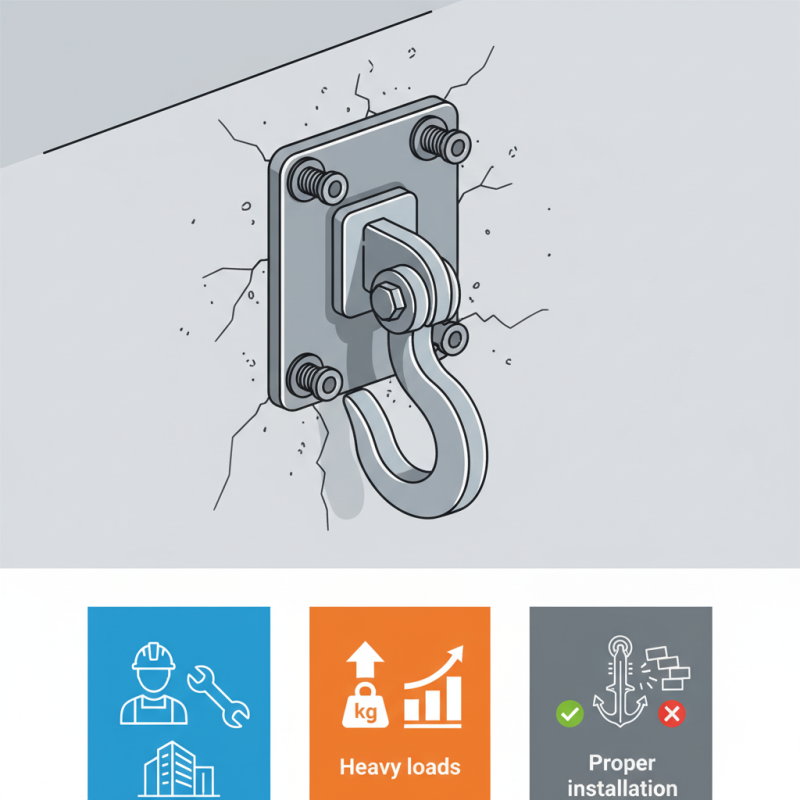
These anchors are typically mounted directly onto walls or floors. Their design allows them to handle heavy loads, which is vital in many industrial settings. However, users must ensure proper installation and load capacity to avoid failures. Miscalculations can lead to significant accidents.

Professionals in construction and engineering must be familiar with Bolt On Anchors. Knowledge of their specifications and limitations is critical for effective use. There are still many who underestimate the importance of proper anchoring. This oversight can result in costly mistakes and safety hazards.
What is a Bolt On Anchor and How Does It Work?

What is a Bolt On Anchor? Definition and Overview

A bolt-on anchor is a vital component in various industrial applications. It provides a reliable means of securing heavy equipment to structural elements. This type of anchor is commonly used in construction, automotive, and marine sectors. According to data from the American Society of Civil Engineers, improper anchoring can lead to serious structural failures. This highlights the importance of choosing the right type of anchor.

The design of bolt-on anchors typically includes a threaded bolt and a securing plate. Installation involves drilling into a stable surface, ensuring a firm grip. Proper placement is crucial. Studies indicate that 85% of anchor-related accidents stem from inadequate installation practices. Little mistakes, such as improper torque settings, can compromise safety.

Bolt-on anchors have specific load ratings that must be adhered to. Failing to recognize these limits can result in catastrophic outcomes. The Building Code requires compliance with manufacturer specifications. Regular inspections are also essential to maintain integrity. However, many industries overlook this crucial step. A small oversight can lead to significant repercussions in operational safety and efficiency.

Components of a Bolt On Anchor: Design and Materials

Bolt on anchors are crucial in various construction and industrial applications. Understanding their components enhances safety and effectiveness. The design typically includes a metal sleeve, screw, and locking mechanism. The sleeve is usually made from high-grade steel, providing strength and durability. The screw allows for easy installation, reinforcing the anchor’s grip.

Materials play a vital role in anchor performance. Stainless steel is often used for corrosion resistance. A study by the American Institute of Steel Construction indicates that high-strength steel anchors can support loads exceeding 10,000 pounds. However, not all bolt-on anchors are created equal. Poor choice of materials can lead to failure, risking worker safety and project integrity.

Regular inspections are essential for performance. Factors like wear and environmental conditions can weaken the anchors over time. Reports indicate that nearly 30% of anchors fail due to inadequate maintenance. Awareness of these issues is critical for optimizing anchor use. Improvement is possible with better education on material selection and maintenance practices.

Components of a Bolt On Anchor: Design and Materials

Installation Process: Step-by-Step Guide to Using Bolt On Anchors

Installing a bolt-on anchor can be straightforward with the right approach. Begin by gathering necessary tools: a drill, bolts, and a level. Mark the desired location. Use a stud finder to ensure you hit solid wood or metal. This step is crucial for maximum support.

Drill holes for the bolts. Ensure the holes are deep enough for secure anchoring. Next, insert the bolts, but do not over-tighten yet. Use a level to check alignment. This part can be tricky, as misalignment may affect stability. Once confirmed, tighten the bolts securely.

Finally, test the anchor to ensure it can hold the intended weight. It’s a good idea to double-check your work. Sometimes, a simple miscalculation can lead to issues later. Remember, even with careful planning, you may need to adjust based on the specific conditions of your installation site.

Performance Metrics: Load Capacity and Durability Factors

Bolt-on anchors are essential in construction and engineering. Their performance is crucial, especially regarding load capacity and durability. Industry data suggests that a well-designed bolt-on anchor can support loads exceeding 15,000 pounds. This is critical for safety and stability in various applications.

Load capacity depends on factors such as material strength and installation technique. Studies indicate that anchors installed in concrete outperform those in weaker substrates. For example, anchors in high-strength concrete can achieve load ratings 20% higher. Durability is equally important. Over time, factors like corrosion and fatigue can undermine performance. A report by an industry authority found that 30% of anchor failures are linked to inadequate material selection.

Engineers must assess both load specifications and environmental conditions. Special coatings can enhance corrosion resistance. However, these may increase cost and complexity. Additionally, regular inspections are vital to ensure ongoing reliability. Data shows that 40% of anchoring systems fail inspection due to neglect. This highlights the need for comprehensive maintenance plans. It's essential to balance cost, performance, and long-term viability in anchor selection and installation.

Common Applications and Industry Use Cases for Bolt On Anchors

Bolt on anchors are widely used across various industries, providing reliable attachment solutions for structures and equipment. Their versatility makes them suitable for applications in construction, marine operations, and even renewable energy sectors. For instance, in the construction industry, bolt on anchors secure scaffolding and heavy machinery, ensuring stability and safety. According to a report by the International Union of Specialist Contractors, approximately 30% of construction delays can be attributed to improper anchoring methods.

In marine settings, these anchors attach docks and buoys, withstanding harsh environmental conditions. Data from the Marine Industry Association indicates that well-installed bolt on anchors can prevent nearly 40% of accidents related to equipment failure. This reliability can significantly decrease project costs and enhance worker safety.

**Tips:** Always assess the environment before installation. The type of soil or water conditions can influence anchor performance. Additionally, regularly inspect installed bolts to ensure they maintain their integrity over time. Remember that even reliable methods can fail under extreme circumstances; continuous monitoring is essential.

FAQS

: What is a bolt-on anchor?

: A bolt-on anchor secures heavy equipment to structures, used in various industries like construction and automotive.

Why is proper installation of bolt-on anchors important?

Improper anchoring can cause structural failures, making careful installation essential for safety.

What are common components of a bolt-on anchor?

A typical bolt-on anchor includes a threaded bolt and a securing plate for stability and strength.

How do I install a bolt-on anchor?

Gather tools, mark the location, drill holes, insert bolts, and check alignment before tightening.

What should I avoid during installation?

Over-tightening bolts or misaligning them can compromise stability. Double-check your work.

What are the load ratings for bolt-on anchors?

Bolt-on anchors have specific load ratings. Not adhering to these limits can lead to dangerous outcomes.

How often should I inspect bolt-on anchors?

Regular inspections are crucial for safety. Many industries neglect this step, risking operational integrity.

Can my installation conditions affect the process?

Yes, local conditions may require adjustments. Always monitor the installation for potential issues.

What happens if I overlook installation details?

Small oversights, like miscalculations, can lead to significant safety problems later on.

Are there best practices for maintaining bolt-on anchors?

Follow manufacturer specifications and conduct regular inspections to ensure ongoing structural integrity.

Conclusion

A Bolt On Anchor is a versatile fastening solution commonly used in various construction and engineering applications. It consists of several key components, including a robust design made from durable materials that ensure reliability and longevity. Understanding the installation process is crucial; it involves a step-by-step guide to properly secure the anchor, which typically requires precise drilling and anchoring techniques to achieve optimal performance.

When evaluating a Bolt On Anchor, performance metrics such as load capacity and durability factors are essential to ensure it meets the demands of specific applications. These anchors are widely used across different industries, providing strong support in environments ranging from heavy machinery installations to outdoor structures. Their reliability and adaptability make Bolt On Anchors an essential choice for professionals in the field.


Henry

Henry

Henry is a dedicated marketing professional with a profound expertise in the company's offerings. With years of experience in the industry, he possesses an impressive understanding of the market dynamics and consumer behaviors that drive success. Henry is committed to sharing his insights through......