In the construction and manufacturing industries, the choice of materials is critical to ensuring durability and performance. When it comes to hardware, the screw washer is an essential component that often goes overlooked. According to the latest market report by Grand View Research, the global washers market is anticipated to reach $18 billion by 2027, driven by increasing demand in various sectors. This statistic highlights the importance of screw washers in applications ranging from automotive to aerospace.
Selecting the right screw washer can significantly impact the longevity of assemblies. A properly designed screw washer distributes load evenly and minimizes the risk of loosening due to vibration. Industry experts suggest that using the right materials, such as stainless steel or nylon, can enhance corrosion resistance and improve performance over time. However, many manufacturers still underestimate the implications of subpar washers, leading to potential failures.
Reflecting on these factors, it's essential to strive for optimal performance. The variety of screw washer types available today can be overwhelming. Not all washers are created equal, and choosing the wrong type can result in costly repairs and safety hazards. Evaluating performance and durability should be a priority for anyone involved in assembly processes.
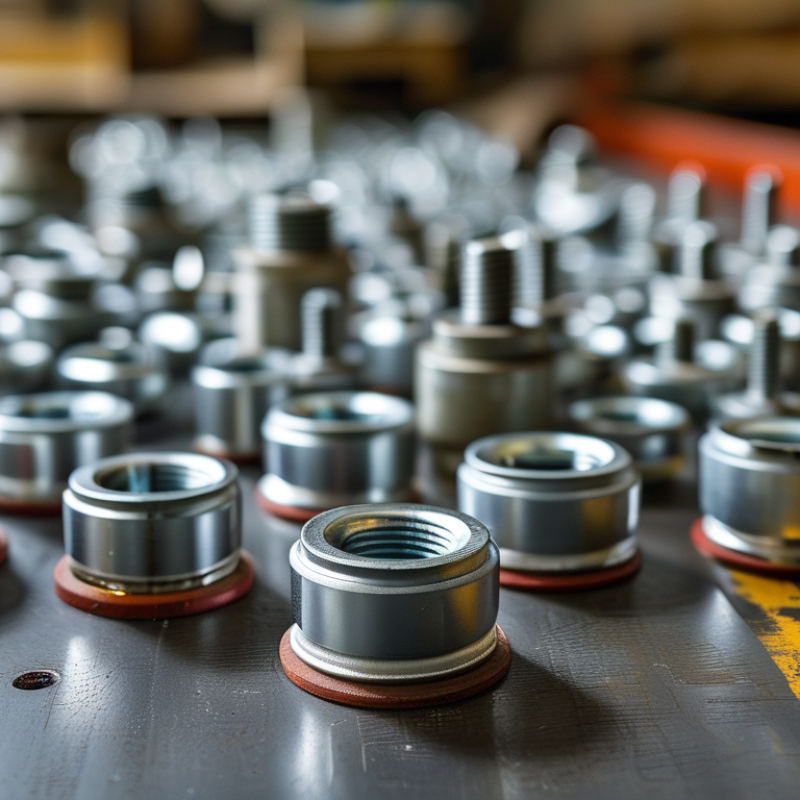
Types of Screw Washers: An Overview of Key Variants
Screw washers play a crucial role in various applications. Their primary function is to distribute the load of a screw, preventing damage to both the screw and the material it is fastened to. Several types of screw washers are available, each designed for specific tasks. Flat washers, for example, are the most common. They provide even load distribution and are easy to use in general assembly.
Lock washers offer additional security. They are designed to prevent loosening due to vibrations. Split lock washers have a unique shape that digs into the material, enhancing grip. Tooth washers, on the other hand, feature raised edges that bite into surfaces, ensuring a firm hold. However, their effectiveness can vary based on the application. Using the wrong type of washer can lead to stripped screws or damage.
Material choice also impacts performance. Steel washers are durable and strong, while plastic washers resist corrosion and chemical damage. However, plastic may not withstand high temperatures. When selecting a screw washer, consider both the material and the application requirements. Each choice comes with pros and cons that require careful evaluation. A thorough understanding aids in making informed decisions for optimal performance and longevity.
Best Screw Washer Types for Optimal Performance and Durability
Material Composition: Choosing the Right Material for Durability
When it comes to choosing screw washers,
material composition significantly influences durability and performance.
Washers made from stainless steel, plastic, or rubber each have distinct advantages and weaknesses.
Stainless steel, for instance, offers excellent corrosion resistance and strength.
According to a report from the International Journal of Corrosion, stainless steel can withstand harsh environments better than many other materials.
Yet, it's worth noting that improper installation can lead to performance issues.
Plastic washers, while lightweight and resistant to chemicals, can degrade under high temperatures.
A study published by the Polymer Science Journal highlights that prolonged exposure to UV rays can decrease their lifespan.
Rubber washers introduce elasticity, providing a tight seal. However, they may wear out faster if exposed to extreme conditions.
The American Society for Testing and Materials (ASTM) emphasizes the importance of matching washer materials with specific applications to ensure optimal function.
Choosing the right material requires balancing these trade-offs.
Each application presents unique challenges. Engineers must consider environmental factors, load requirements, and potential wear.
The complexity of these variables makes it crucial to select washers based on informed analytical choices, rather than assumptions.
Despite advancements in materials, the perfect solution often remains elusive, prompting ongoing research and development in the field.
Design Features: How Shape and Size Impact Performance
When choosing the best screw washer, design features play a crucial role. The shape and size of a washer significantly influence its performance. For instance, flat washers distribute load evenly. This helps prevent damage to the surfaces being joined. Using the wrong shape can lead to uneven pressure, which may cause failure over time.
In addition to shape, size also matters. A washer that is too small may not provide adequate support. Conversely, an oversized washer can interfere with assembly. It's essential to match the washer size to the screw and material thickness. Sometimes, trial and error is necessary to find the right fit. Regularly inspecting washers can reveal wear or deformation, prompting a timely replacement to maintain optimal performance.
Design variations, like beveled edges or specific material choices, can enhance durability. However, these designs may not suit every application. Each project has unique requirements, demanding careful consideration of washer types. Misjudging these factors can lead to costly errors down the line, reinforcing the importance of informed choices in washer selection.
Applications: Where Different Types of Screw Washers are Used
Screw washers come in various types, each serving specific applications. Flat washers provide a stable surface, reducing friction and stress on fasteners. They work well in construction and machinery. When it comes to automotive uses, lock washers prevent loosening from vibrations. These washers ensure parts stay securely fastened, crucial for vehicle safety.
A special mention goes to fender washers. Their larger diameter distributes load over a wider area, ideal for thin materials or soft surfaces. Commonly found in outdoor furniture assembly, they protect against bending or damage. Specialty washers may offer unique benefits in niche environments, yet users should choose carefully. A poor selection can lead to inefficiencies and increased maintenance.
Choosing the right screw washer may seem straightforward. However, it involves considering material, size, and thickness. Inappropriately sized washers can compromise assembly integrity. Users sometimes overlook these factors, leading to failures. Attention to detail can enhance performance significantly. Adaptability and the right choice can ensure long-lasting durability in demanding settings.
Best Screw Washer Types for Optimal Performance and Durability
| Washer Type |
Material |
Thickness (mm) |
Application |
Durability Rating |
| Flat Washer |
Steel |
2.0 |
General fastening |
Medium |
| Lock Washer |
Stainless Steel |
1.5 |
Vibration-prone applications |
High |
| Fender Washer |
Aluminum |
3.0 |
Wood and plastic applications |
Medium |
| Rubber Washer |
Rubber |
2.5 |
Sealing and waterproofing |
Low to Medium |
| Spring Washer |
High Carbon Steel |
1.0 |
Heavy machinery |
High |
Installation Tips: Best Practices for Optimal Performance
When installing screw washers, precision is key. An industry report states that improper installation can reduce performance by up to 35%. To ensure optimal results, clean the installation surface thoroughly. Any debris can interfere with the washer's grip and lead to premature failure.
Selecting the right torque is critical. Over-tightening can deform the washer, leading to leaks or structural weaknesses. Conversely, insufficient torque may not secure the components adequately. Aim for a torque specification that matches the washer type and application. Most experts recommend using a calibrated torque wrench to avoid common mishaps.
Pay attention to the environment where the washers will be used. Corrosive settings can lead to rust and other failures. Consider using anti-corrosion coatings or stainless-steel washers for added durability. Always double-check for fit and alignment; even minor misalignments can cause a significant reduction in effectiveness. Recognizing these small yet crucial details can greatly enhance the longevity and reliability of your installation.
FAQS
: Common materials include stainless steel, plastic, and rubber. Each offers unique advantages and limitations.
Stainless steel provides excellent corrosion resistance and strength, making it suitable for harsh environments.
Plastic washers can degrade under high temperatures and prolonged UV exposure, affecting their lifespan.
The shape, like flat washers, helps distribute load evenly, preventing surface damage and failure over time.
A washer that is too small lacks support, while an oversized one can disrupt assembly and functionality.
Engineers must consider environmental factors, load requirements, and potential wear to ensure optimal performance.
Features like beveled edges can improve durability, but they may not be ideal for every application.
Inspecting washers can identify wear or deformation, allowing for timely replacements to maintain performance.
Yes, misjudging material or design factors can result in costly issues, emphasizing the need for informed decisions.
Despite advances, finding the perfect washer remains difficult, highlighting the need for continuous research and development.
Conclusion
Screw washers play a vital role in ensuring optimal performance and durability in various applications. This article delves into the key types of screw washers available, highlighting their diverse material compositions that affect longevity and functionality. Choosing the right material is crucial, as it directly influences the washer's resistance to wear and environmental factors.
The design features, including shape and size, also significantly impact the performance of screw washers. Different applications require specific types that cater to unique demands, making it essential to understand their uses. Finally, the article offers installation tips, presenting best practices to enhance effectiveness and ensure that screw washers function at their best. By considering these aspects, users can select the most suitable screw washer for their needs and achieve optimal results.

 Dongshuo Fastener