When selecting the best bolt and anchor types, global buyers face diverse choices. This decision often impacts the success of construction projects. Different materials and designs cater to specific applications. Understanding these factors is essential.
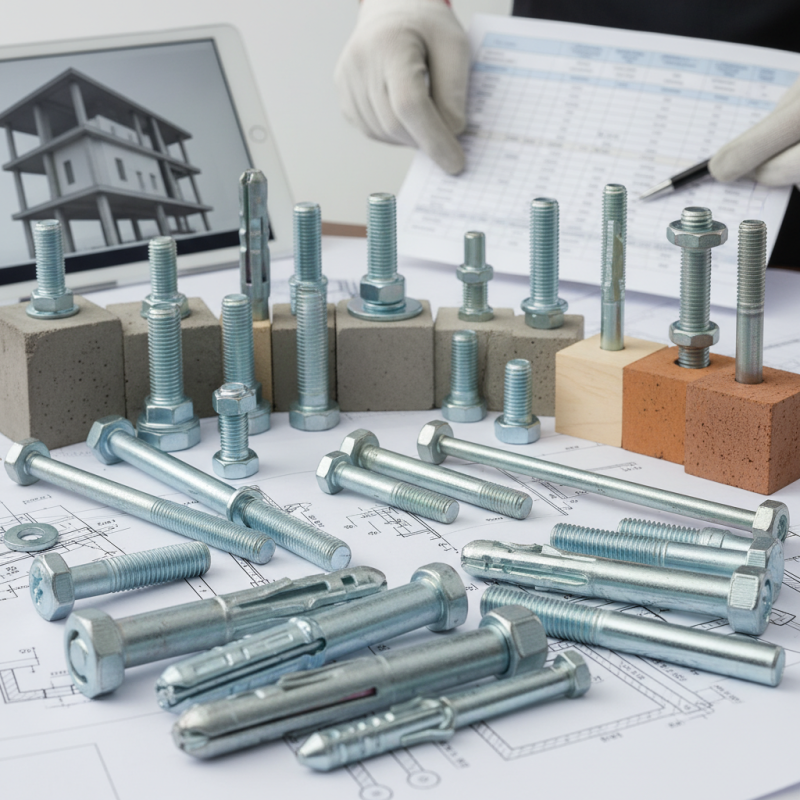
Bolt and anchor systems are crucial for ensuring structural integrity. Their effectiveness depends on load conditions and environmental factors. For instance, anchors used in concrete differ significantly from those utilized in wood or masonry. Buyers should carefully consider material properties, strength ratings, and installation methods.
Navigating this landscape can be challenging. Many options come with trade-offs. It is vital to seek reliable sources for guidance. Inexperienced buyers might overlook critical details, impacting project outcomes. Thus, a thoughtful approach to selecting bolt and anchor types is necessary for long-term success.
Understanding the Importance of Selecting the Right Bolt and Anchor Types
Selecting the right bolt and anchor type is crucial for structural integrity. A study by the International Fasteners Association (IFA) highlights that improper anchoring can lead to as much as
30% of structural failures in construction projects. This statistic emphasizes the need for meticulous consideration in selecting these components.
Bolts and anchors come in various types, each designed for specific materials and loads. For instance, wedge anchors work well in concrete, while toggle bolts are suited for hollow walls. Understanding the specific environment and load requirements is essential. Engineers often categorize projects by their stress tolerances and environmental factors, influencing the choice of fasteners.
Despite advancements in technology and materials, mistakes still occur. A survey indicated that nearly 25% of construction professionals admit to choosing wrong fasteners sometimes. Misjudged strength requirements or incorrect material types can lead to costly repairs. Regular training and updated knowledge about these fastener options can mitigate risks significantly. Thus, adapting to evolving standards and best practices is vital in ensuring safety and reliability.
Key Factors to Consider When Choosing Bolts and Anchors
When selecting bolts and anchors, several key factors come into play. The material is crucial—the choice often depends on environmental exposure.
Steel bolts resist pulling forces well, but they may corrode in damp conditions. Therefore, a stainless steel option can provide a longer lifespan.
However, cost may be a concern here; stainless steel tends to be pricier.
The size and weight of the materials you plan to secure are also vital considerations. Heavy items may require larger, heavier-duty anchors. You might want to look into weight ratings to ensure safety.
An inadequate anchor can lead to failures. It’s essential to check load capacities for various bolt types.
Installation methods should not be overlooked either. Some bolts require precise drilling, while others may need pre-set brackets. Understanding your capabilities can influence which type to choose. Misfitting during installation can cause problems down the line. Take the time to reflect on your options to ensure the best fit for your project.
Comparative Analysis of Common Bolt Types for Global Applications
When considering bolts and anchors for global projects, it's essential to understand their various types. Each bolt type has its own strength, size, and application. For instance, hex bolts are common due to their versatility and ease of use. These bolts are typically used in heavy machinery and construction. However, they can be challenging to remove if corroded or over-tightened.
Anchor bolts, often used in concrete applications, offer stability and strength. They can be cast-in-place or post-installed. Cast-in-place anchors can be more reliable but require precise placement during construction. On the other hand, post-installed anchors are easier to use, yet their load-bearing capacity can vary based on the installation method. Different projects may require specific choices that emphasize the balance between strength and installation ease.
The selection process can be complex. Not all bolts function optimally in every environment. Corrosion resistance, material fatigue, and load requirements must all be considered. Misjudging these factors can lead to failures or safety hazards. Even experienced engineers must continually assess and adapt their choices based on new materials and technologies. This ongoing learning process in bolt and anchor selection reflects the industry's dynamic nature.
Exploring Different Anchor Varieties: Strengths and Use Cases
When exploring anchor varieties, it's crucial to understand their strengths and specific use cases. For instance, expansion anchors are widely used in concrete, delivering great holding power. According to a 2022 report by the Construction Research Institute, they can withstand pull-out forces exceeding 2,500 pounds. Their reliability makes them a go-to choice for securing heavy fixtures from shelves to machinery.
In contrast, screw anchors excel in softer materials like drywall or plaster. They are easy to install and require minimal tools. Data from the Fasteners and Anchors Trade Association indicates that these anchors can support loads up to 200 pounds. However, their strength diminishes in applications subjected to vibrations or shifts. Buyers must carefully consider the environment and weight requirements before choosing.
Moreover, toggle bolts feature a unique design that allows them to distribute weight effectively in hollow walls. They can handle substantial loads, often up to 400 pounds. However, installation can be tricky, necessitating precise measurements and drilling. This complexity is a common source of errors. It highlights the importance of understanding both the benefits and potential challenges of various anchor types.
Best Practices for Proper Installation and Maintenance of Bolts and Anchors
Proper installation and maintenance of bolts and anchors are crucial for ensuring structural integrity. The right technique can prevent failure. First, always choose the appropriate type of bolt or anchor for your project. Consider factors like material, load capacity, and environmental conditions. A mismatch here can lead to significant issues later.
When installing, make sure the surfaces are clean and free from debris. This helps achieve a secure fit. If you’re unsure, consult the specifications for proper torque settings and embedding depths. A common mistake is over-tightening. This can lead to metal fatigue or thread stripping.
Tips: Regularly inspect your installations for signs of wear, rust, or loosening. If you notice any of these, address them immediately. Simple visual checks can save you time and money. Keep a maintenance routine to extend the life of your bolts and anchors. Awareness of potential failure modes can help you be proactive rather than reactive in your approach.
Best Bolt and Anchor Types for Global Buyers
FAQS
: Hex bolts are popular for their versatility. They are found in heavy machinery and construction projects.
Anchor bolts provide stability in concrete applications. They can be cast-in-place or post-installed, each with advantages.
Hex bolts may become hard to remove if they corrode or are over-tightened. Removal can be a challenge.
Correct installation ensures structural integrity. A poor choice can lead to significant issues in the future.
Ensure surfaces are clean and free from debris. A secure fit depends on this preliminary step.
Over-tightening bolts can cause metal fatigue or thread stripping. It’s important to follow torque specifications.
Regular inspections for wear, rust, or loosening are crucial. Addressing issues promptly can prevent bigger problems.
Establishing a maintenance routine can extend the life of bolts and anchors. Awareness of failure modes is also important.
No, not all bolts are suitable for every environment. Factors like corrosion resistance must be considered.
Misjudging load requirements or material fatigue can result in failures and safety hazards. Continuous assessment is needed.
Conclusion
Selecting the right bolt and anchor types is crucial for ensuring the strength and durability of structures across various applications. Understanding the key factors, such as load capacity, material compatibility, and environmental conditions, plays a significant role in making informed decisions. A comparative analysis of common bolt types highlights their suitability for global applications, while exploring different anchor varieties reveals their respective strengths and specific use cases.
To maximize the effectiveness of bolts and anchors, it is essential to follow best practices for proper installation and maintenance. This ensures not only the immediate reliability of the fastening systems but also their long-term performance and safety. By considering these elements, global buyers can confidently choose the most appropriate bolt and anchor solutions for their projects.

 Dongshuo Fastener